
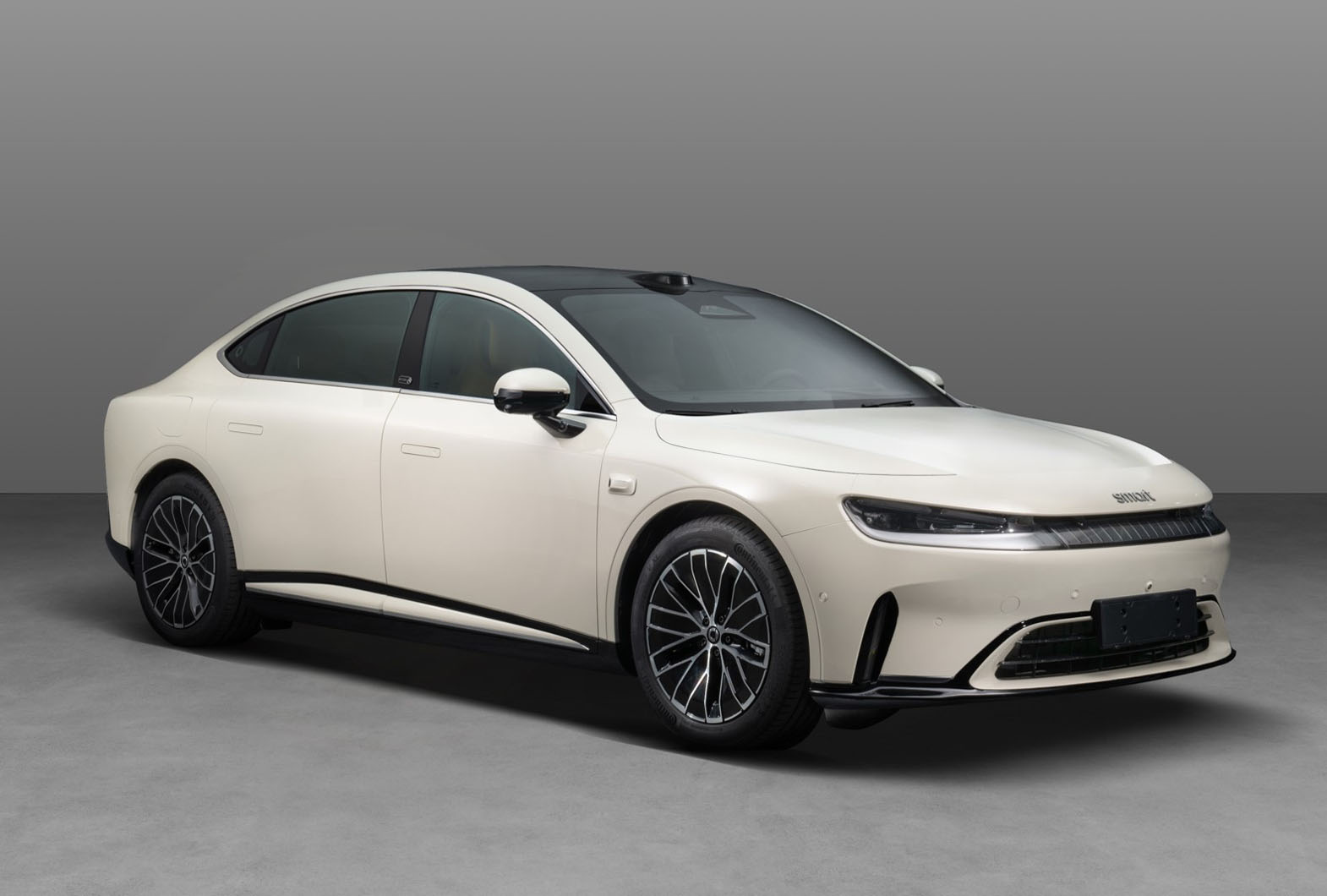
A lithium-iron-phosphate (LFP) battery supplied by SVOLT and CATL delivers a claimed 177 miles of electric-only range on the generous CLTC cycle and an overall range of 1125 miles. Fuel consumption officially stands at 72.4mpg.
The PMA2 platform used by the #6 supports both 400V and 800V electrical systems and ultra-fast DC charging at up to 400kW.
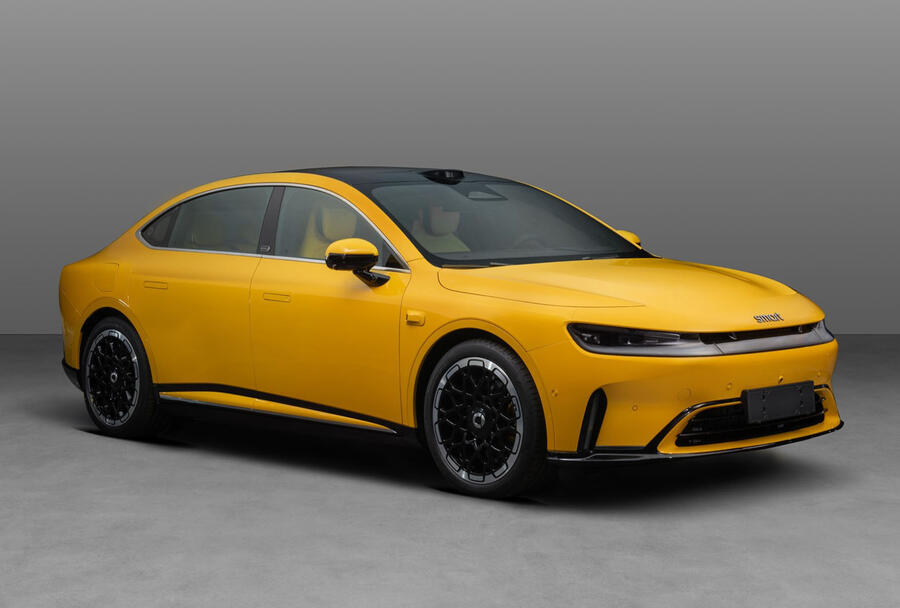
The fully electric version of the #6 will be launched in China next year, offered with a 75kWh LFP or 94kWh nickel-manganese-cobalt (NMC) battery.
Rear-wheel-drive models form the core of the EV line-up. The entry-level #6 Pro uses a 400V electrical architecture and produces 340bhp with the 75kWh battery. The #6 Pro+ upgrades to an 800V system, a 94kWh battery and a 363bhp motor – a configuration also used by the #6 Premium.
Further up the range are two dual-motor, four-wheel drive models: the #6 Pulse, with a combined 588bhp, and the flagship #6 Brabus with 646bhp, both paired with the 94kWh battery.
Founded by Mercedes-Benz in 1994 as a German city car brand, Smart is now a 50:50 joint venture between Mercedes-Benz and Geely headquartered in Ningbo, China.
Following the #6, Smart’s next launch will probably be the successor to the Fortwo, which was announced earlier this year. This will arrive in 2027, carrying the #2 badge. A successor to the Forfour is potentially also in the works.