
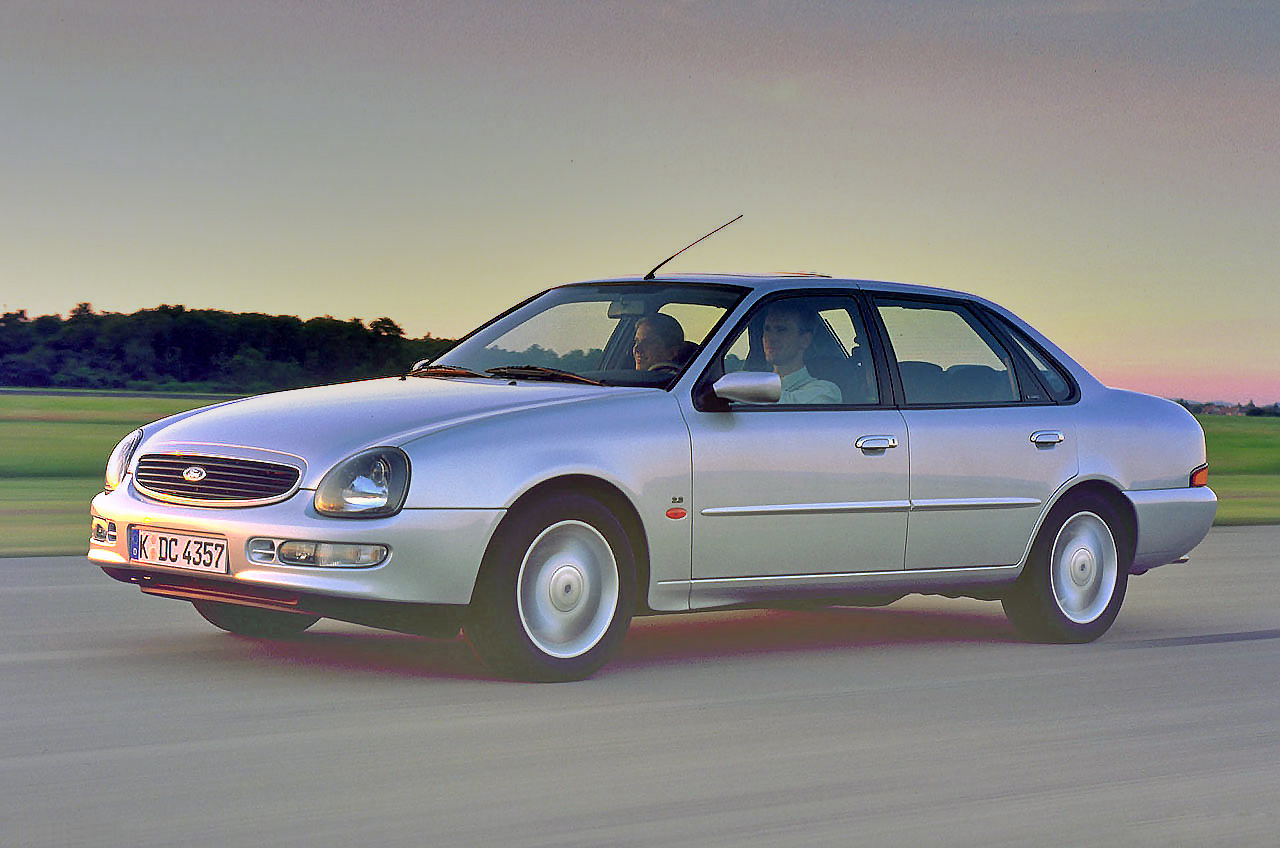
Ford Thunderbird (2001)
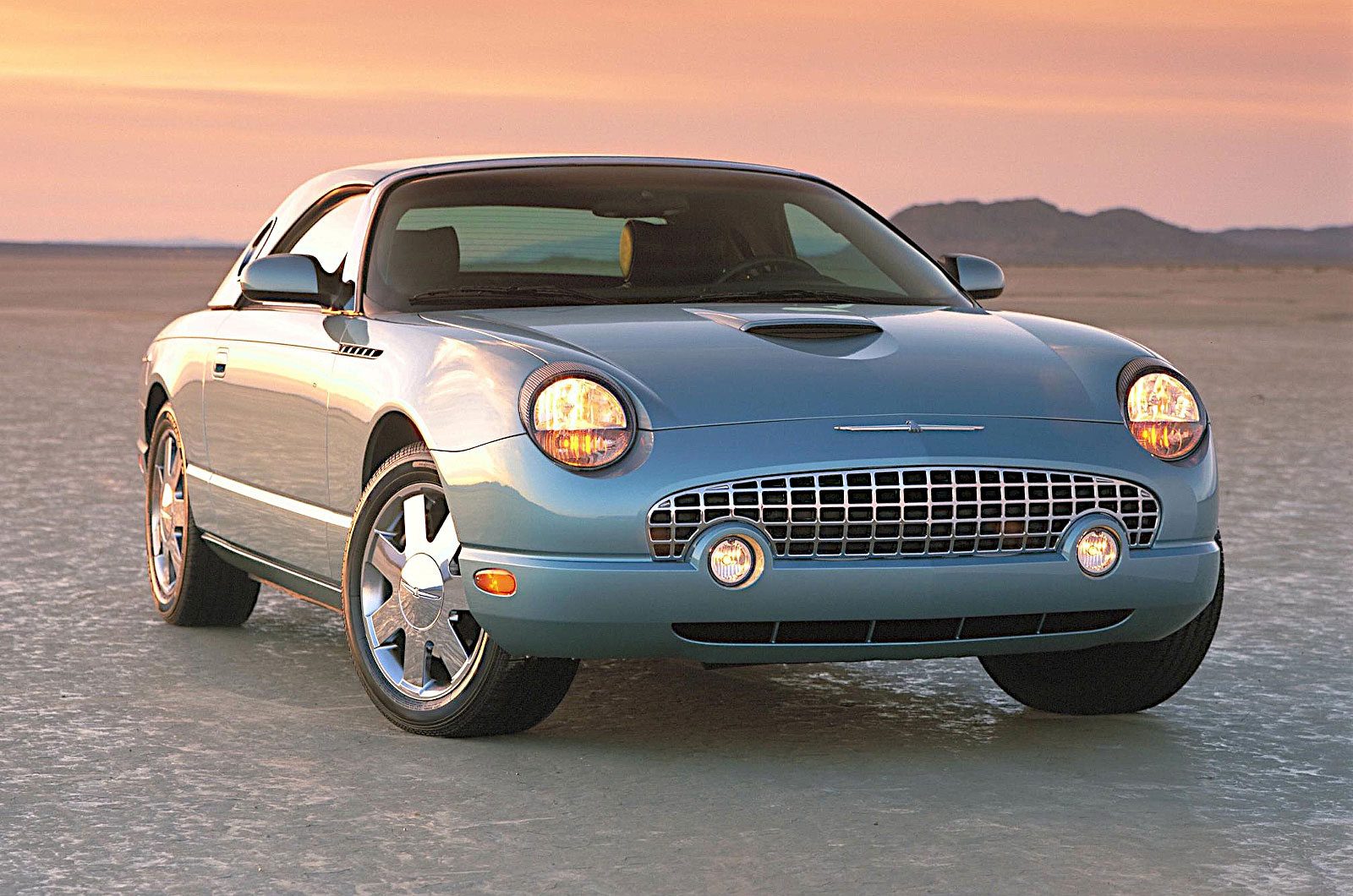
After building Thunderbirds in ten generations for 42 years, Ford discontinued the nameplate in 1997, but then brought it back five years later. Like the original T-bird, but unlike any of the nine in between, this version was a two-seat convertible, and was based on the same platform as the Jaguar S-Type and Lincoln LS.
After an initial flurry of interest, sales fell sharply, leading to the cancellation of the model after just four years. Perhaps a truly modern Thunderbird would have been more successful than a retro tribute, and perhaps also Ford had been right to abandon the two-seat convertible configuration in the late 1950s, and wrong to bring it back in the following century.
Lincoln Blackwood (2002)

Ford’s luxury brand made the unusual decision to produce a pickup truck in 2002. Based on the contemporary F-150, it was resoundingly unpopular, and stayed on the market for just one model year in the US and one more in Mexico.
Lincoln’s next effort, the Mark LT, was barely more successful. Even in combination, they didn’t come close to GM’s equivalent, the Cadillac Escalade EXT, which wasn’t exactly a big hit either. The message seems to be that no matter how much you want to put a luxury pickup on sale, don’t do it.
Ford Five Hundred (2004)

Ford’s second largest saloon of its period, after the Crown Victoria, was sold only in the 2005 to 2007 model years and was based on a platform inherited from Volvo, which made this car a slightly unlikely sibling of the Volvo XC90 Mk1. The Five Hundred’s lack of success has been attributed to its conservative styling, which was widely criticised. Ford designer J Mays admitted that the look of the Five Hundred was problematic. “It’s just lacking in the emotional appeal that we should have put into it,” he admitted in one interview, though this was not the whole story.
In another interview, talking about the same car, he hinted at another reason by saying, “I’ve been at the company 13 years and I’ve been through five CEOs. Some of those CEOs have had more conservative tastes than others.” Ford’s latest CEO, Alan Mulally who arrived in 2006, ordered an immediate re-design and the revival of the Taurus nameplate, which he said had much greater brand equity, having been around between 1986 and 2005; this seemed to improve sales, especially when an all-new Taurus arrived in 2010.