
Chery, the parent company of Omoda and Jaecoo, is aiming to crack the fearsome Japanese market, partnering with four Asian auto firms to form a new EV brand called Emta.
The Chinese company – which now has four SUV brands in the UK and could soon add the reborn Freelander as a fifth – will supply platforms and drive hardware for the Japan-focused brand.
Chery holds a share of 27.27% in the Singapore-based business, matching that of Chinese manufacturing group Jiangsu Yueda. Japanese vehicle parts maker Autobacs Seven and Chinese battery firm Gotion hold 18.18% apiece, while Japanese machinery firm Anest has the remaining 9.09%.
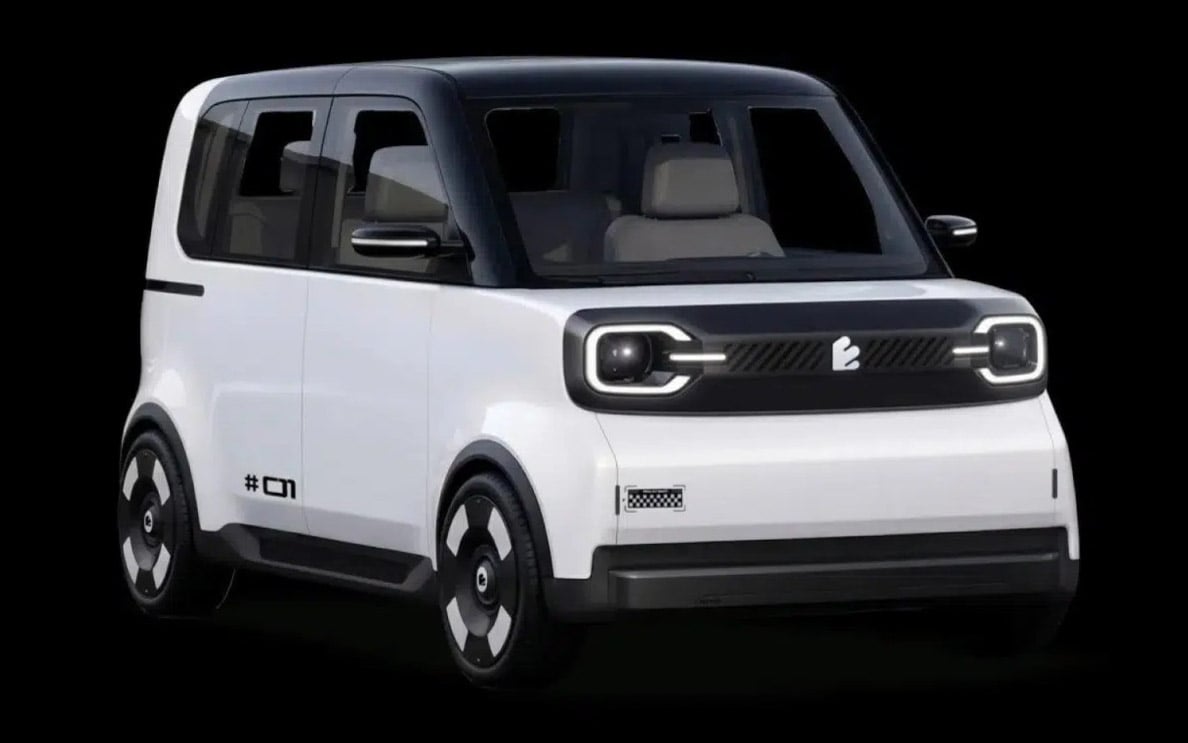
The first Emta model is a boxy, 3.4m-long city runaround built to Japan’s kei car regulations. As yet unnamed, it will use Chery electric drive technology and a battery from Gotion to compete with local segment leaders including the Honda N-Box, Nissan Sakura, Daihatsu Tanto and Suzuki Hustler.
Precise technical details are unconfirmed, but the Emta kei car is likely to borrow components from Chery’s smallest Chinese-market model, the QQ Ice Cream microcar, which has a 27bhp motor on the front axle and claims around 100 miles of range.
Meanwhile, Gotion will supply the batteries, Autobacs will handle the sales operation and Anest will manage quality.
The cars will initially be built in China by Yueda, which produces Kia models for the Chinese market – and previously the radical HiPhi X crossover for Human Horizons.
Emta’s founders have indicated that it could eventually build cars in Japan if its launch is successful.
The kei car will be followed by three more Emta models by 2029: a supermini, a small crossover and an MPV.
There’s no indication of any plans to expand the brand beyond Japan – and CarNewsChina reports that Chery will primarily be a shareholder in the business, rather than playing a leading role in operations and expansion.
Emta will follow Chinese giant BYD in attempting to shake up Japan’s highly competitive kei car market, which accounts for a third of the country’s car sales and has historically been occupied almost exclusively by local manufacturers.
The BYD Racco was revealed last year – and has been tipped for export to Europe if local regulations on small, affordable EVs make such an endeavour cost-effective.