
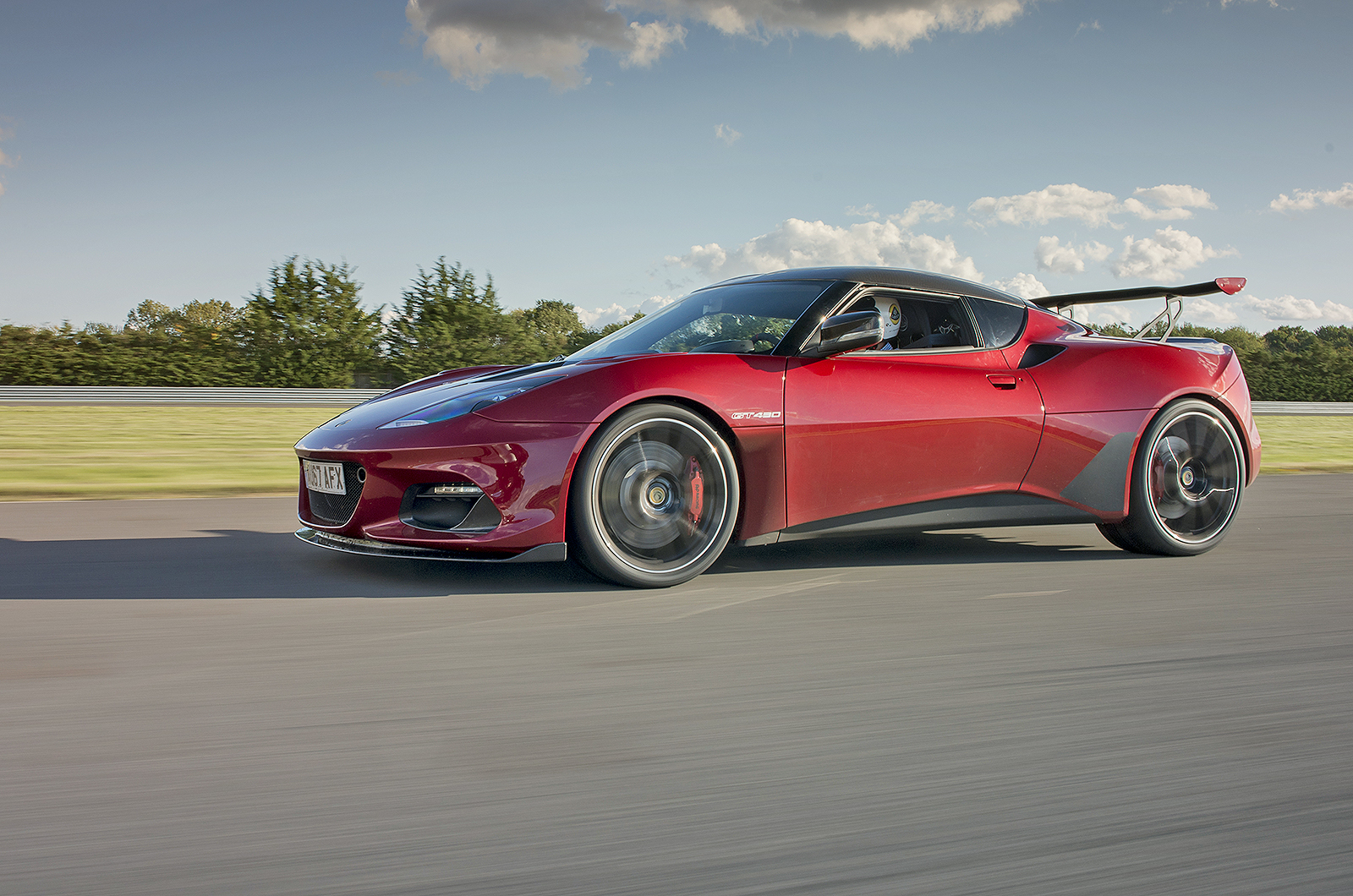
The interior was all shades and grades of black, with no features to make you think you were driving something interesting, urban or cool, and it drove with the verve of an escalator. The market soon found out, and failed to buy it.
Renault Wind (2010-12)
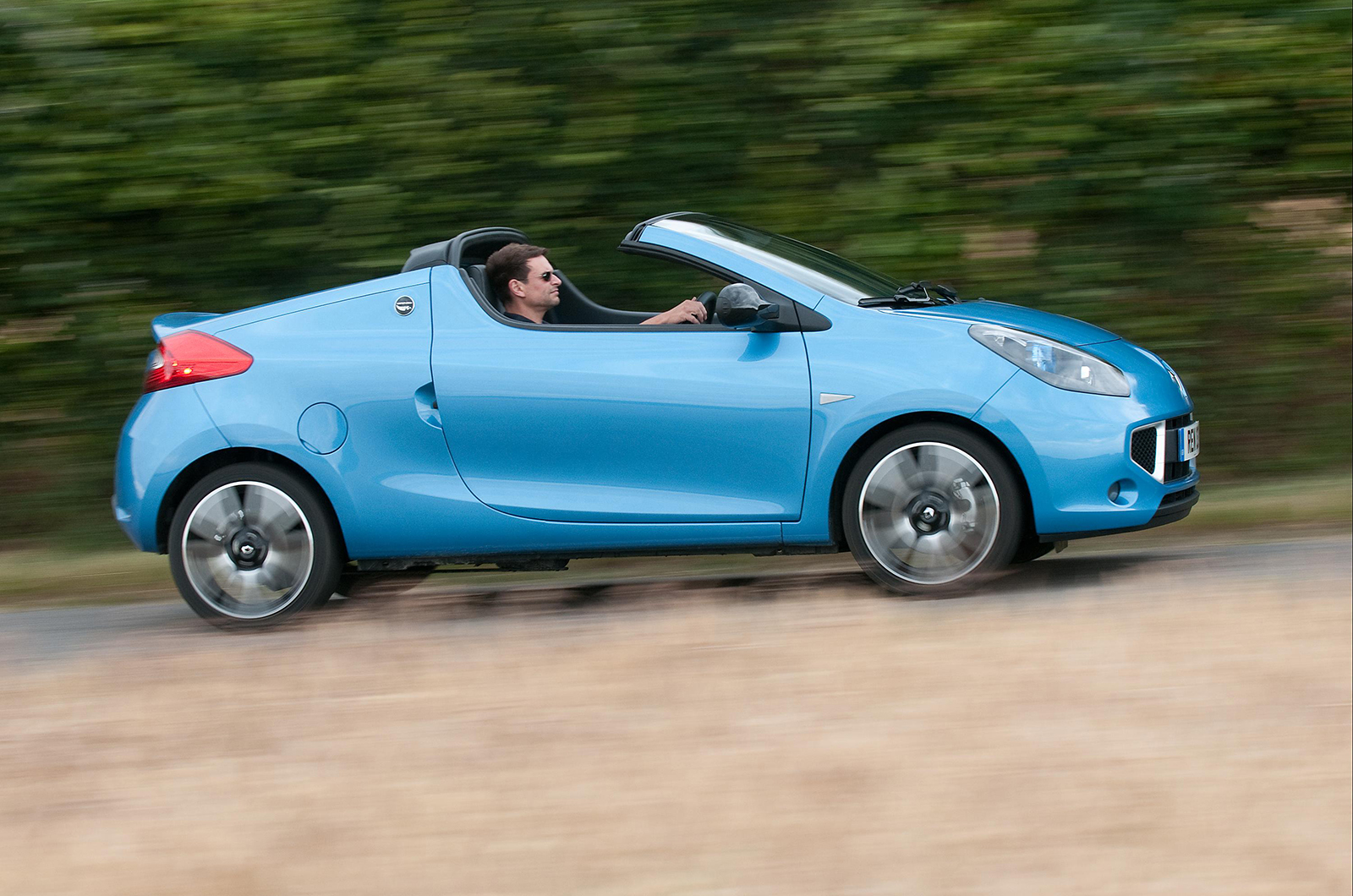
It looked like a concept car, was developed by Renault Sport, had a roof that folded away in 12 seconds and was affordable. It was also fun and looked like no other small sports car on the road. True, the name was unfortunate, the Twingo mechanicals didn’t quite deliver a magical chassis and the tiny rear window was a threat to bumpers.
Opel Ampera (2012-15)
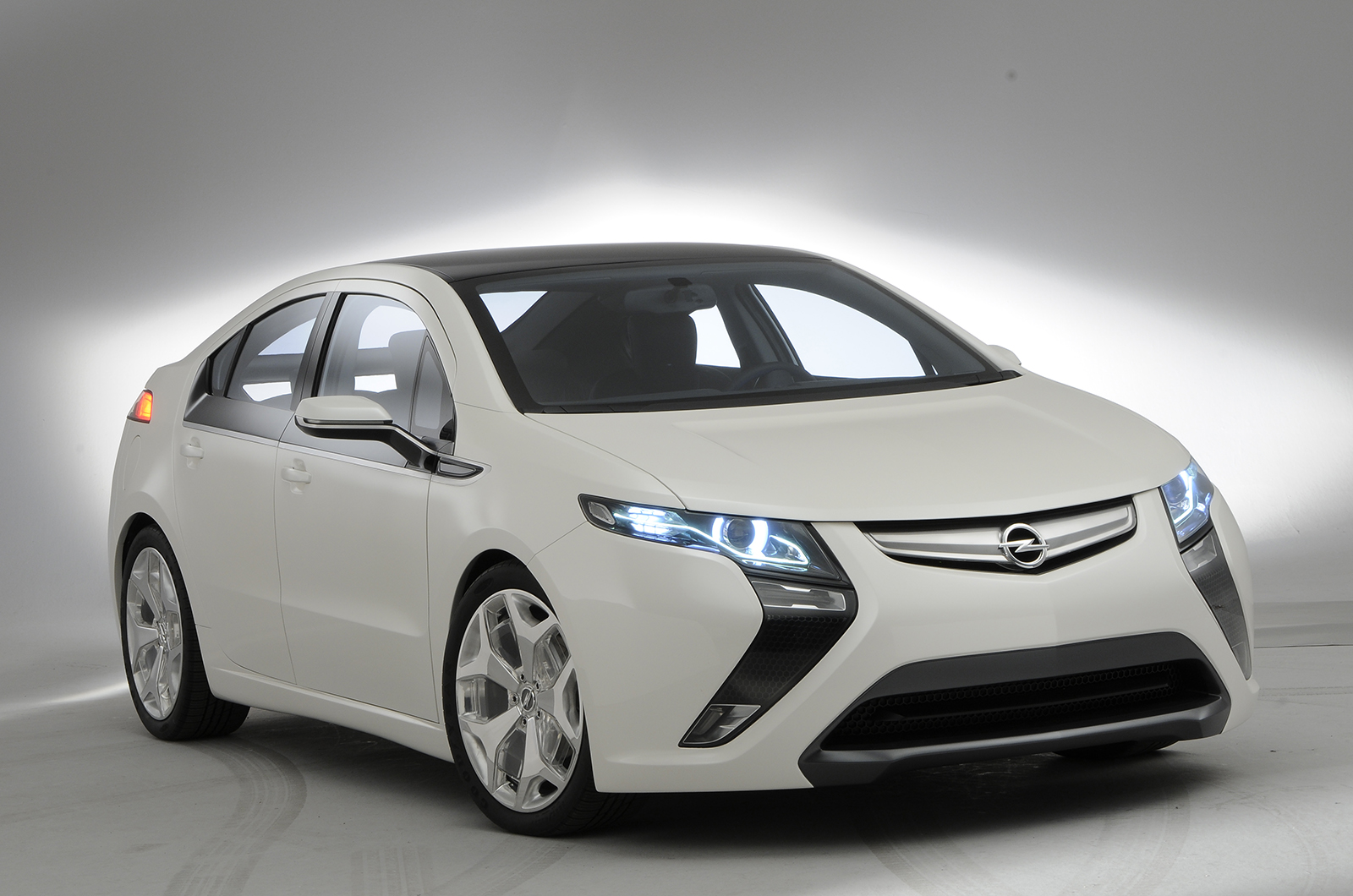
This was a car that should have triggered a plug-in revolution. One of the first electrified range-extenders, its pioneering technology produced a truly practical car, and one that wouldn’t leave you stranded for want of a socket. It was interesting to look at and sit in, it drove pretty well – and very quietly – and its emissions were zero to low.
Job done? No, sadly. The price was too high. It only seated four. And it was an Opel, Astra-sized and double the money. For most, that didn’t compute.
Lotus Evora (2009-2021)
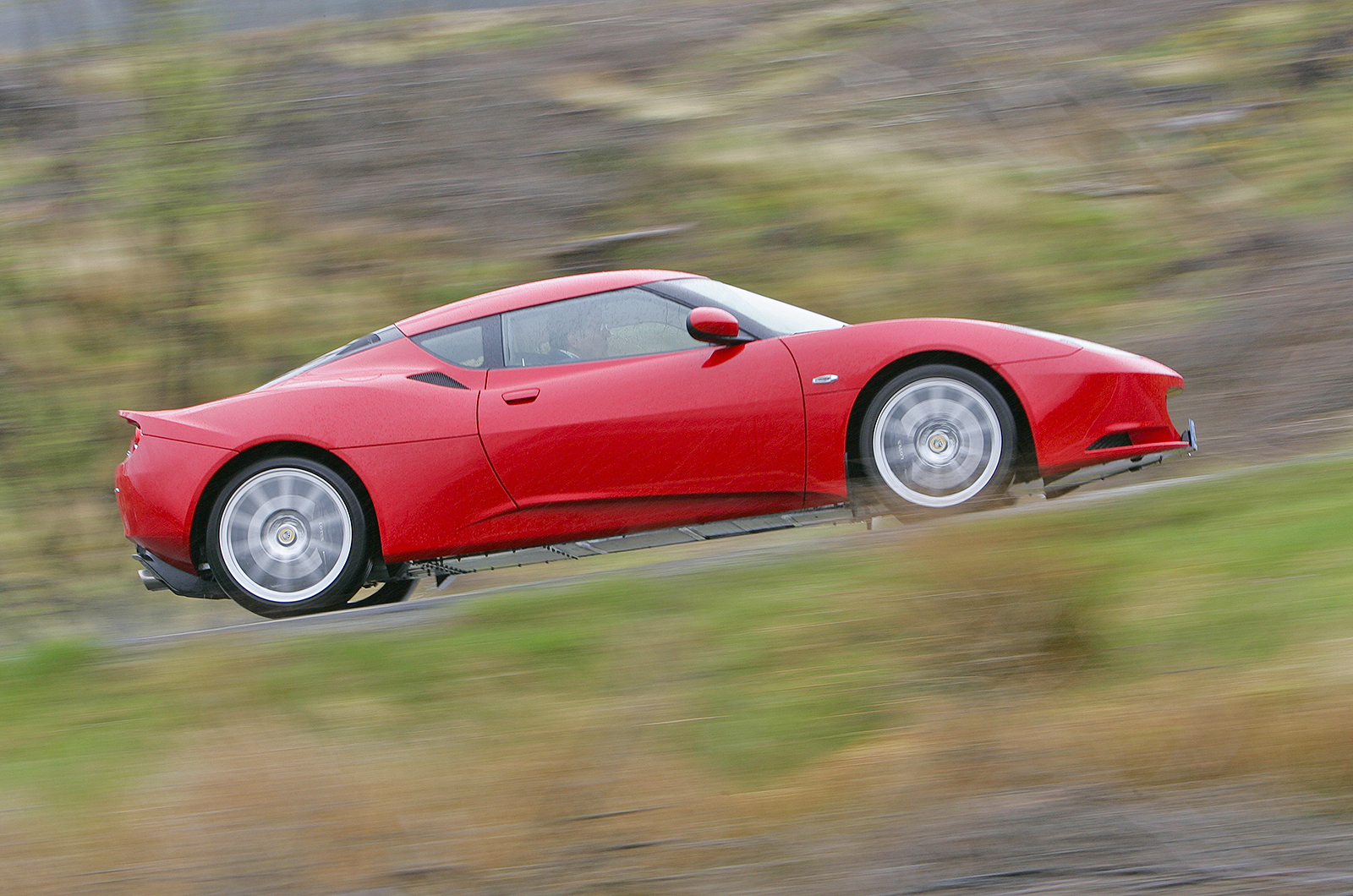
The costliest model Lotus had ever developed, the Evora aimed to combine Elise dynamism with refinement, 2+2 practicality and the electronic tech to make this a practical, almost everyday Lotus. So everyday, Lotus reckoned, that it would sell 2000 a year.
Sales barely reached half that in its best year, and while the car improved and power climbed, so did the price, turning the Evora into a niche seller. It’s far from a bad car, and the chassis is sensational, but annoyingly for Lotus, Porsche – mostly – did it better.
Peugeot RCZ (2010-15)
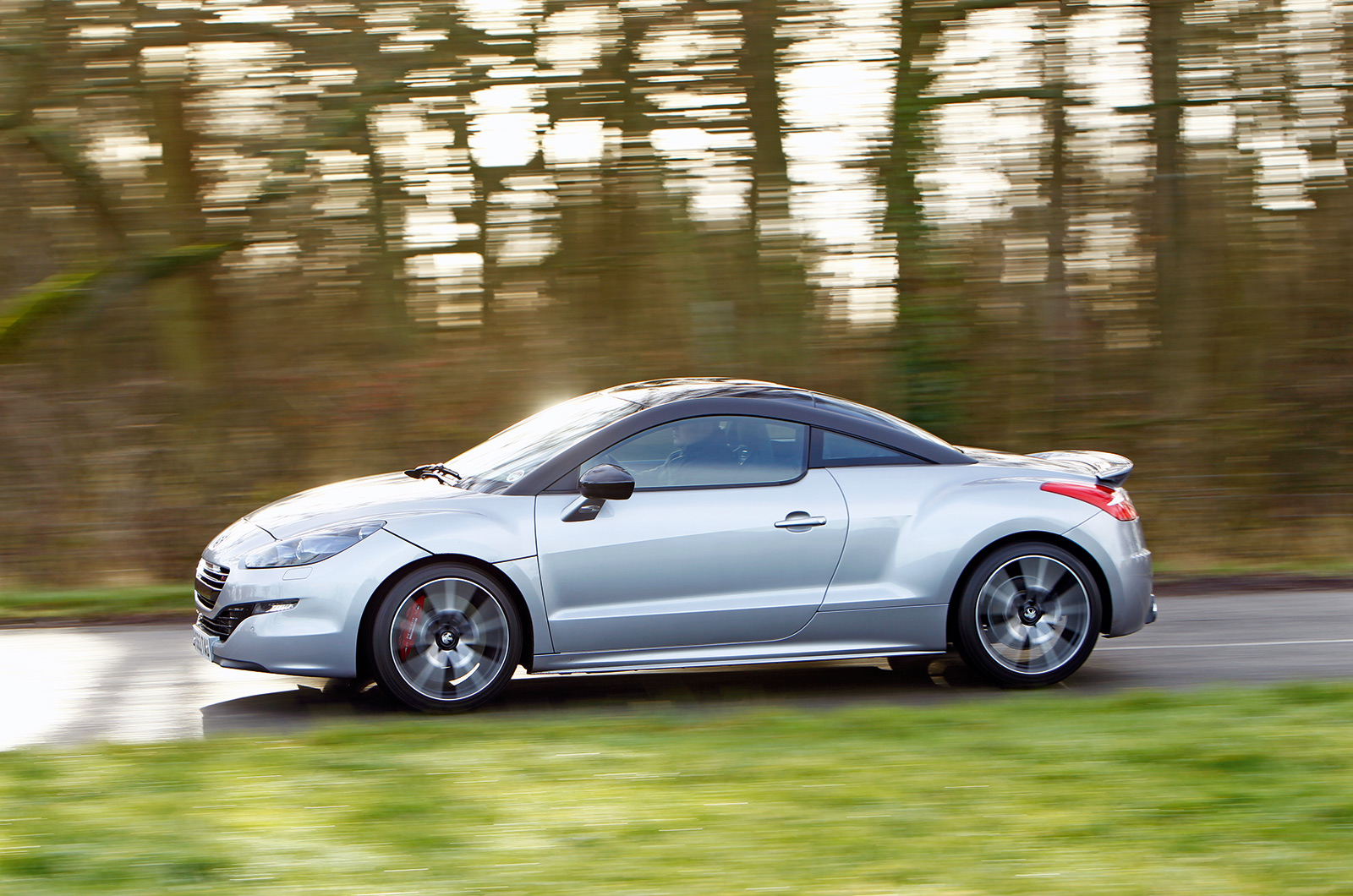
Yes, you could see the Audi TT influence and, yes, it suffered some of the same dulled dynamic feedback as the TT, but this was a pretty, intriguing, well-finished and desirable sports coupé. Its appeal was powerful enough to win it loads of page impressions, column inches and airtime. And then it all went dead.