
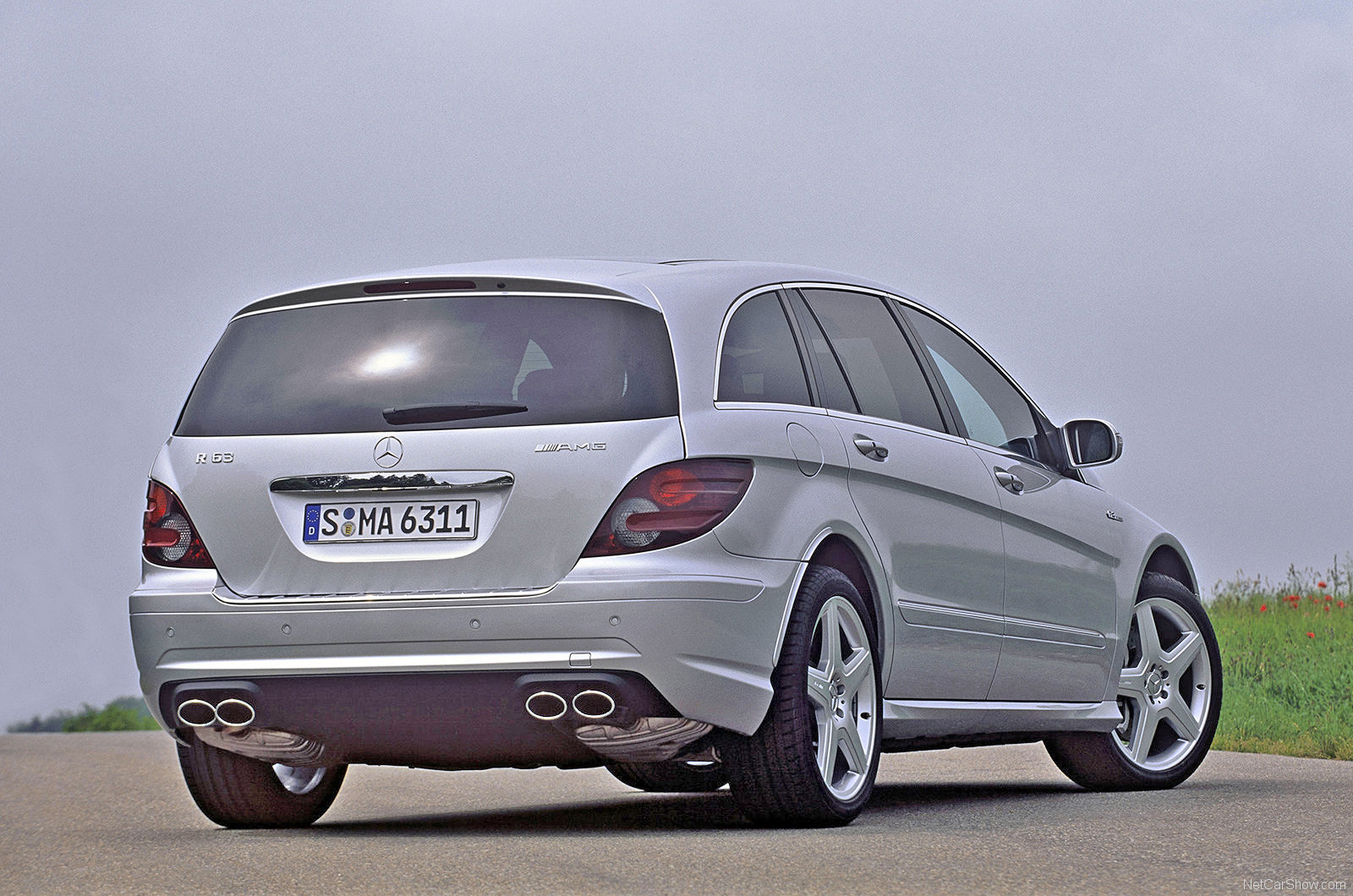
Mercedes is not a brand particularly known for controversy, at least compared with some we could mention.
It has, however, had its moments, producing cars which certainly gave people pause for thought.
Here, then, are 30 models which could, using the term very broadly, be described as at least partly controversial, arranged for your pleasure in chronological order.
Mercedes 35hp (1900)
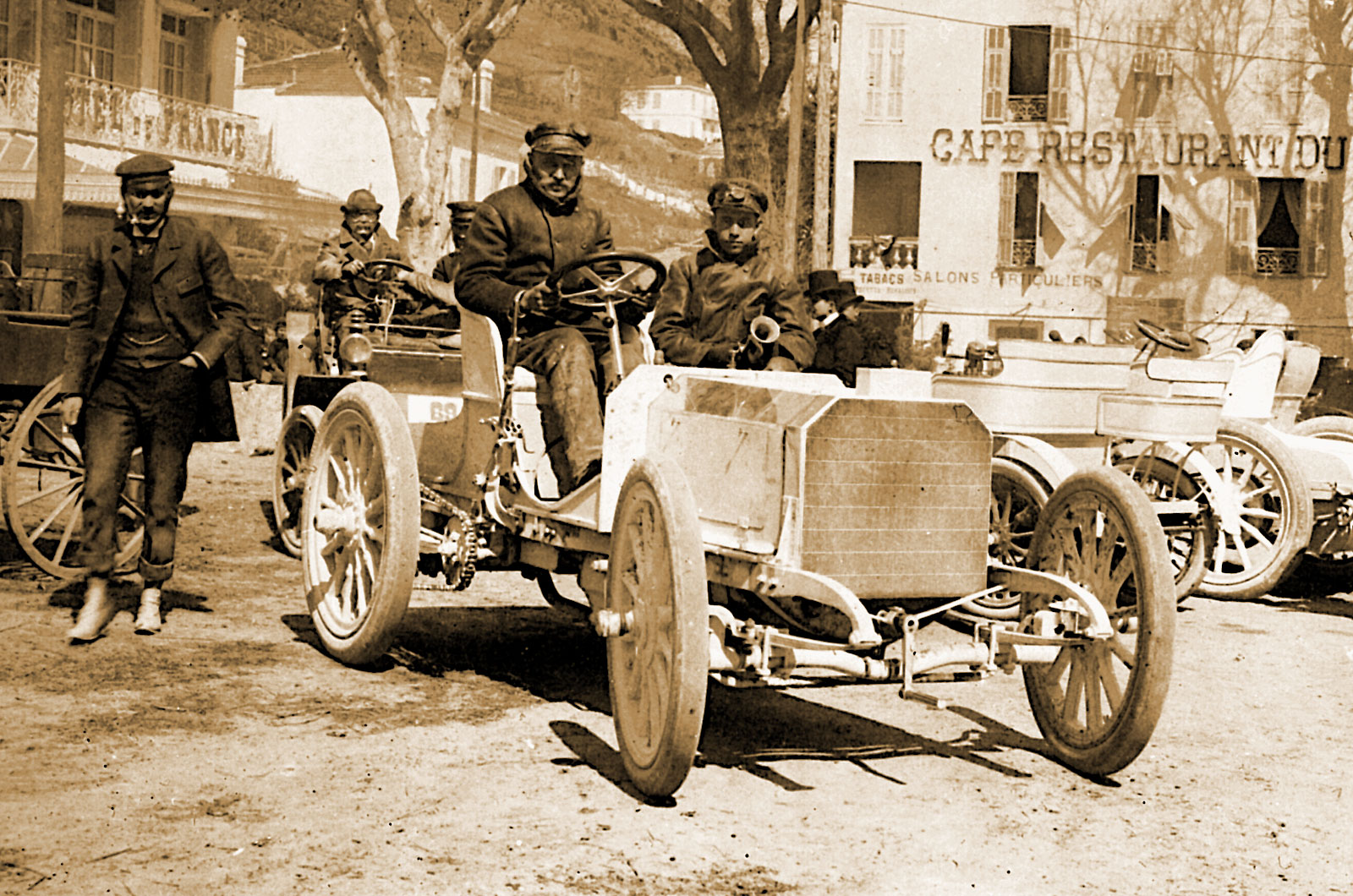
The very first Mercedes was proposed to Daimler by one of its dealers, Emil Jellinek-Mercedes (1853-1918), who named it – and his race team and even, weirdly, himself – after his young daughter (1889-1929).
Designed by Wilhelm Maybach (1846-1929), the 35hp was light and powerful, and had a remarkably low centre of gravity for the time. It was such a fast road car, and did so well in competition, that the French journalist and motorsport pioneer Paul Meyan (1852-1938) was moved to write, “We have entered the Mercedes era.”
Mercedes-Simplex (1902)
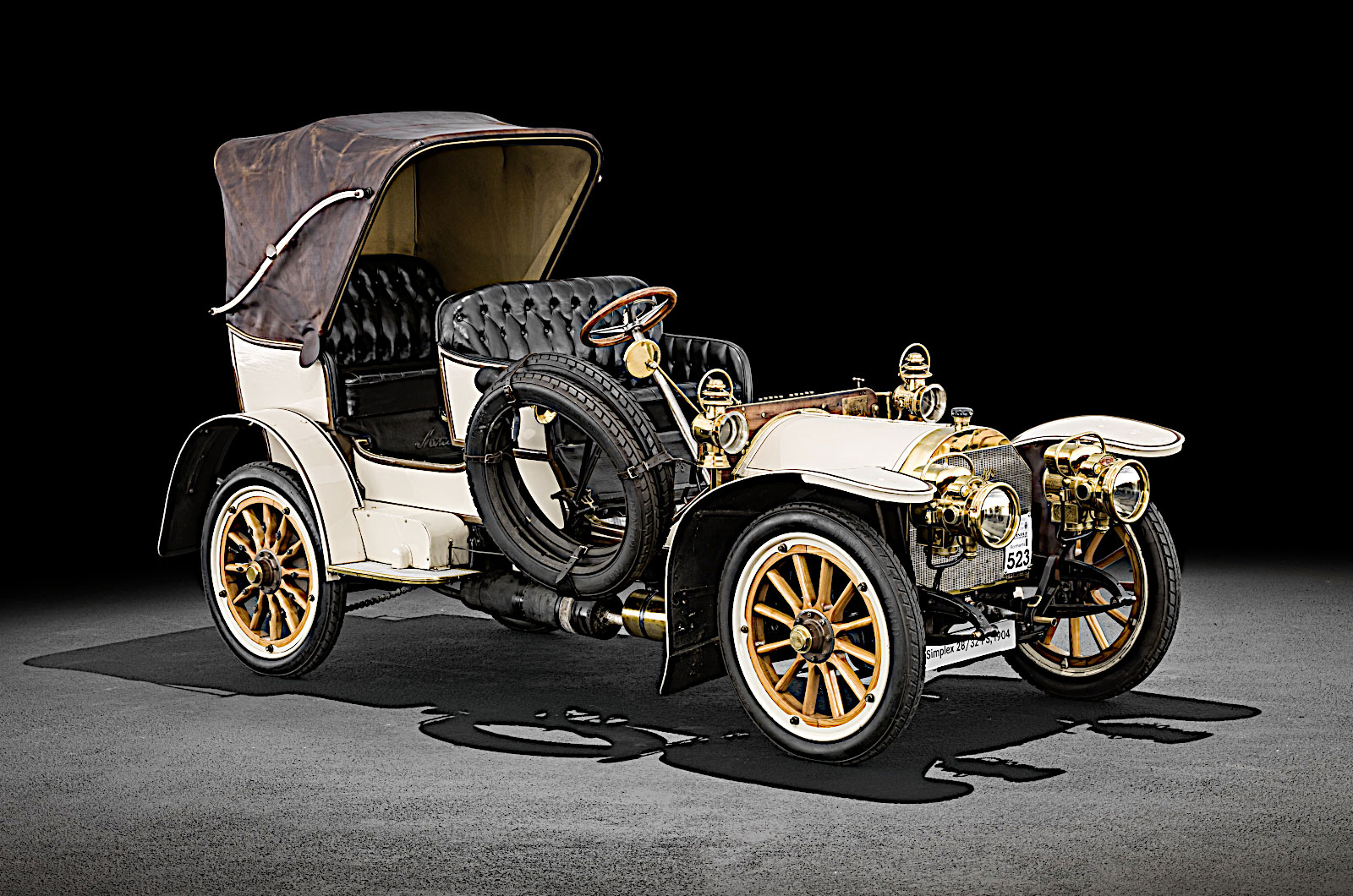
Wilhelm Maybach followed up the 35hp with the first of several Simplex models, so named because they were simpler to operate than their predecessor. With 40hp, it was even faster, and although less powerful versions were later added the last, introduced in 1909, was rated at a mighty 65hp.
Emperior Wilhelm II (1859-1941) was an enthusiast, joking with Maybach that his new model was “not as simple as that, you know,” while American tycoon William K. Vanderbilt (1849-1920) owned a Simplex which still exists, and is believed today to be the oldest Mercedes in existence.
Mercedes 75hp (1907)
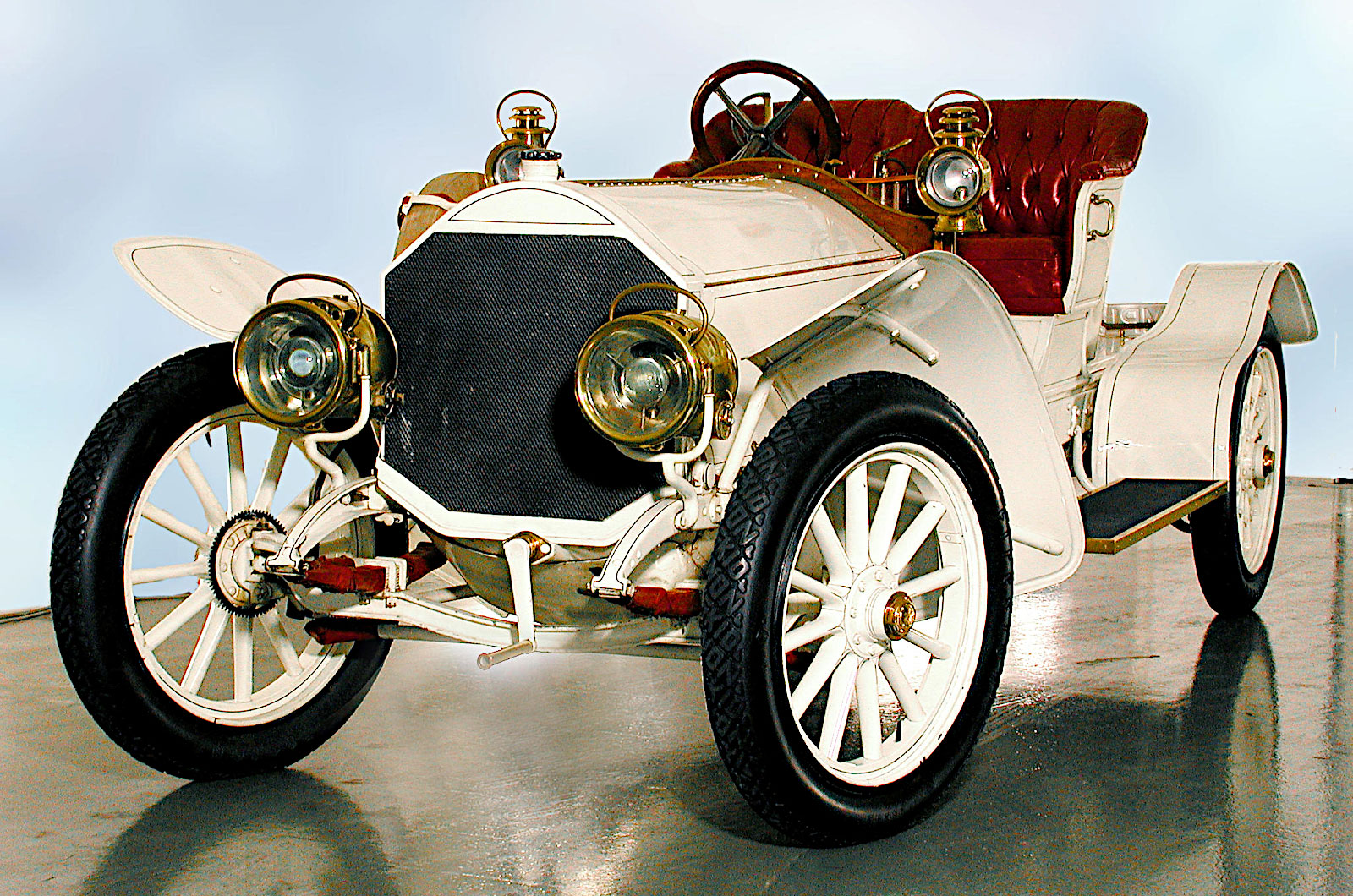
The first big controversy within Daimler was the departure of Wilhelm Maybach. After a dispute, he left the company he had joined before it started building cars and was replaced as technical boss by Paul Daimler (1869-1945).
Maybach’s final contribution to the firm was the design of its first six-cylinder engine. In 10.2-litre form, it first appeared in January 1907 in the car then known as the 75hp, though two years later it was renamed 39/80hp. A 9.5-litre version appeared later in 1907 in the 65hp, which became the 37/70hp.
Mercedes-Knight (1910)
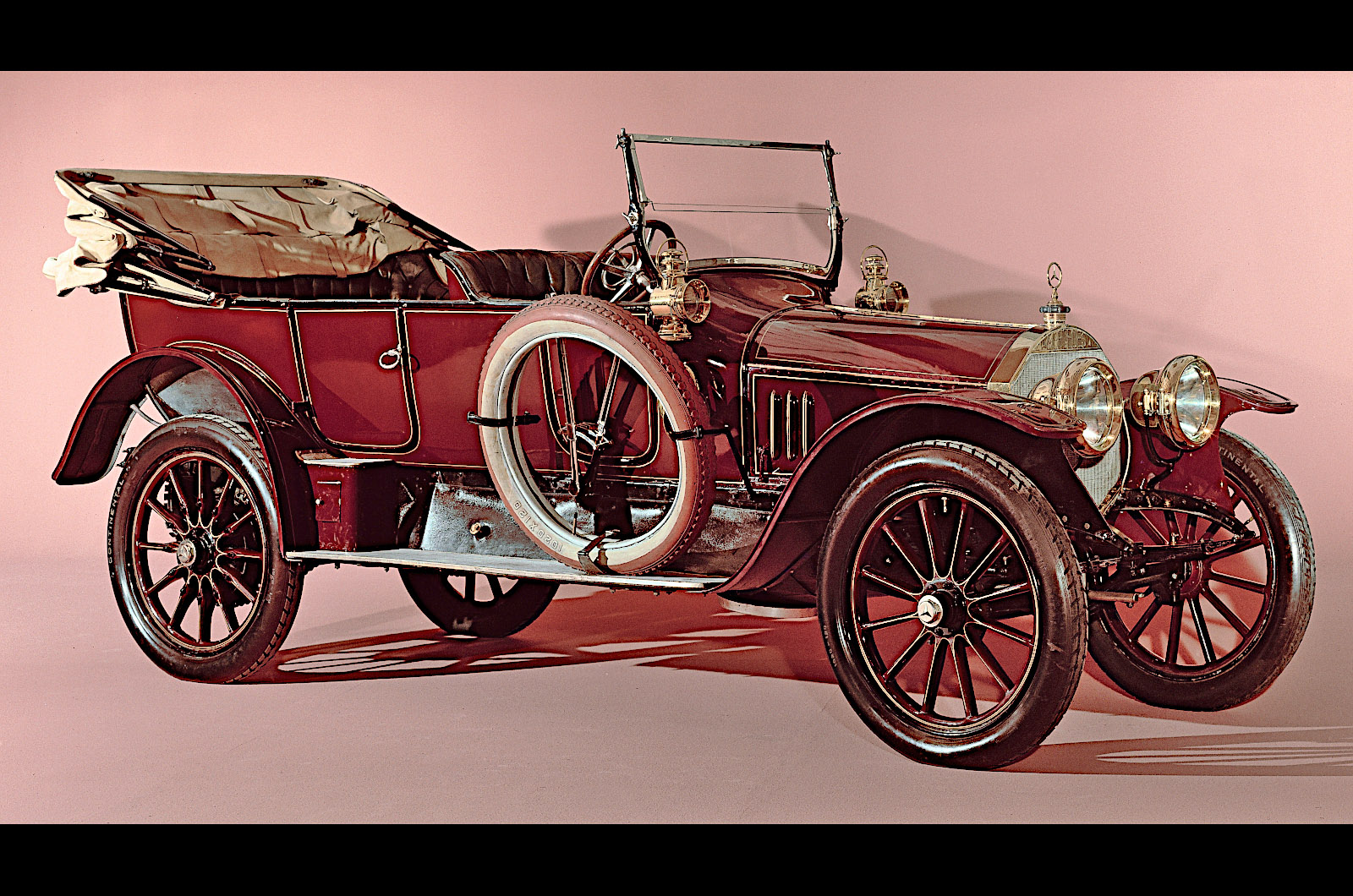
After a decade of producing Mercedes models with its own engines, it must have seemed shocking when Daimler introduced a car with a unit developed by someone else. The someone else in question was the American Charles Yale Knight (1868-1940), whose sleeve-valve design was highly favoured at the time, and used by several manufacturers.
The first Mercedes-Knight was the 4.0-litre 16/40hp of 1910, and was followed two years later by the similar 10/30hp and 25/65hp. Their engines were very quiet, but they were also hard both to build and to maintain. This, along with limited development potential, led to Daimler giving up the idea in 1924.
Mercedes 18/100 (1914)
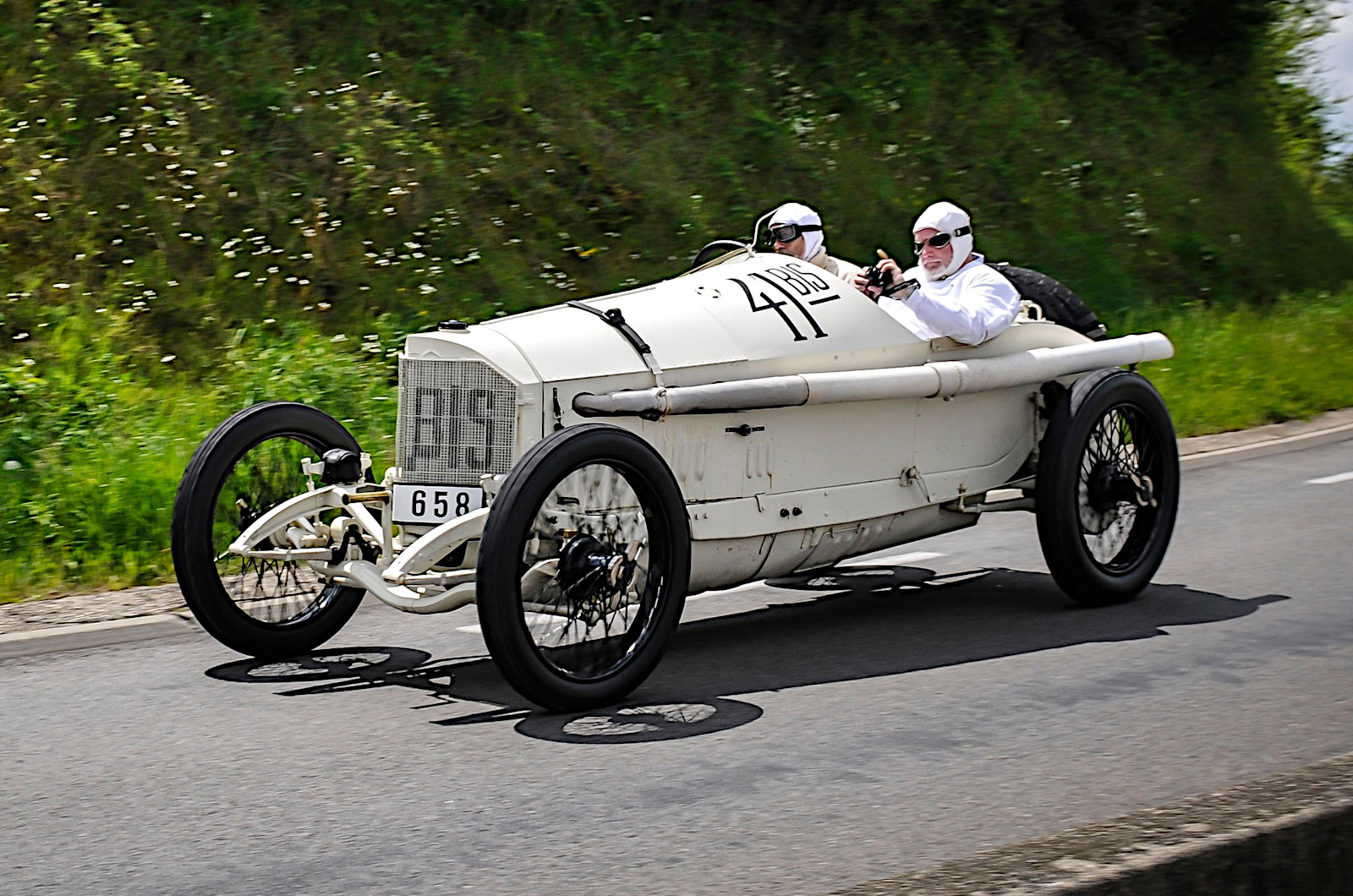
Although we are concentrating mainly on cars developed largely for road use, it seems to make an exception in the case of the 18/100 racer which competed in the French Grand Prix in July 1914. This event was essentially a battle between France and Germany, represented by Peugeot and Mercedes respectively.