
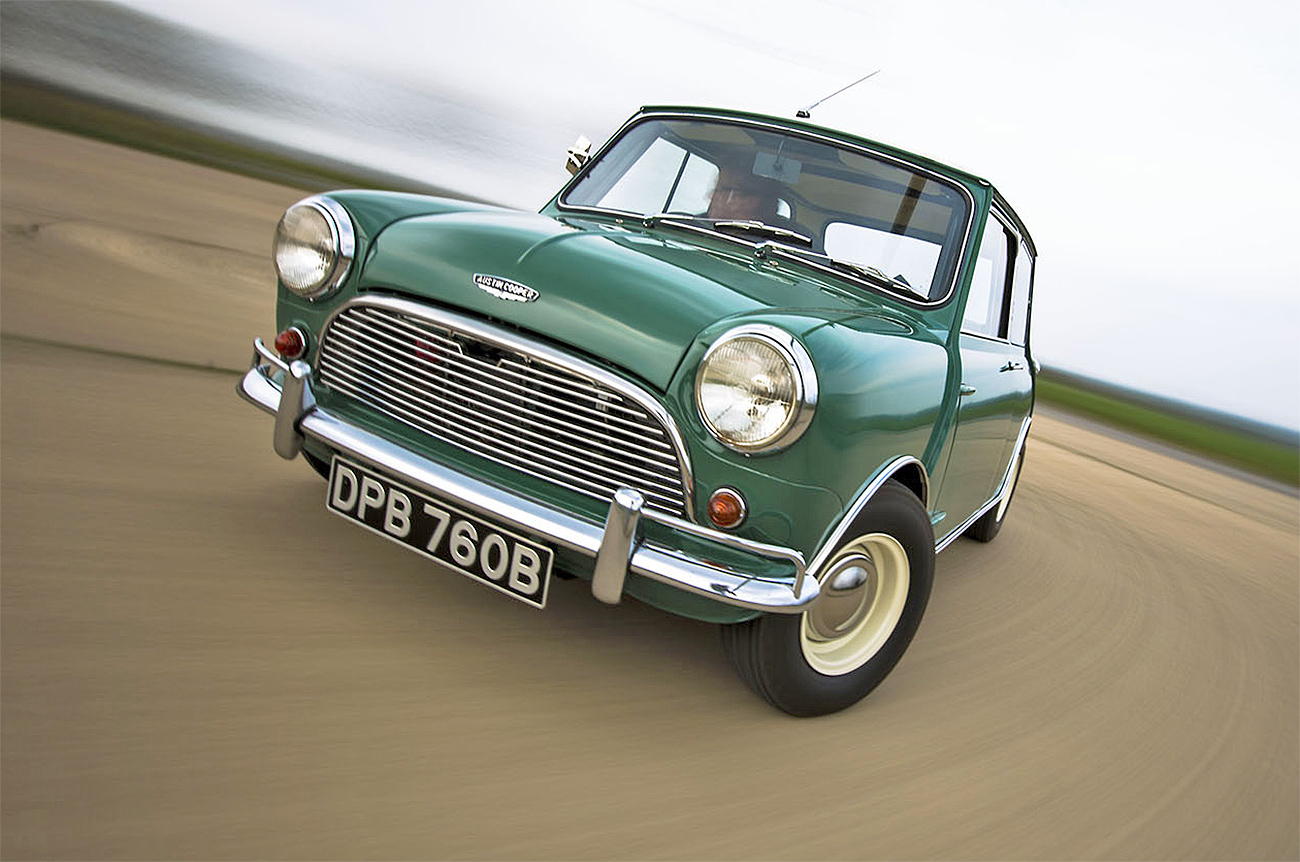
A true world car, the Santana also joined the Nissan line-up in Japan and even received Ford emblems in Brazil and Argentina. The nameplate lives on in China on a much newer saloon.
Lada 2105 (1980-2012) – 32 YEARS
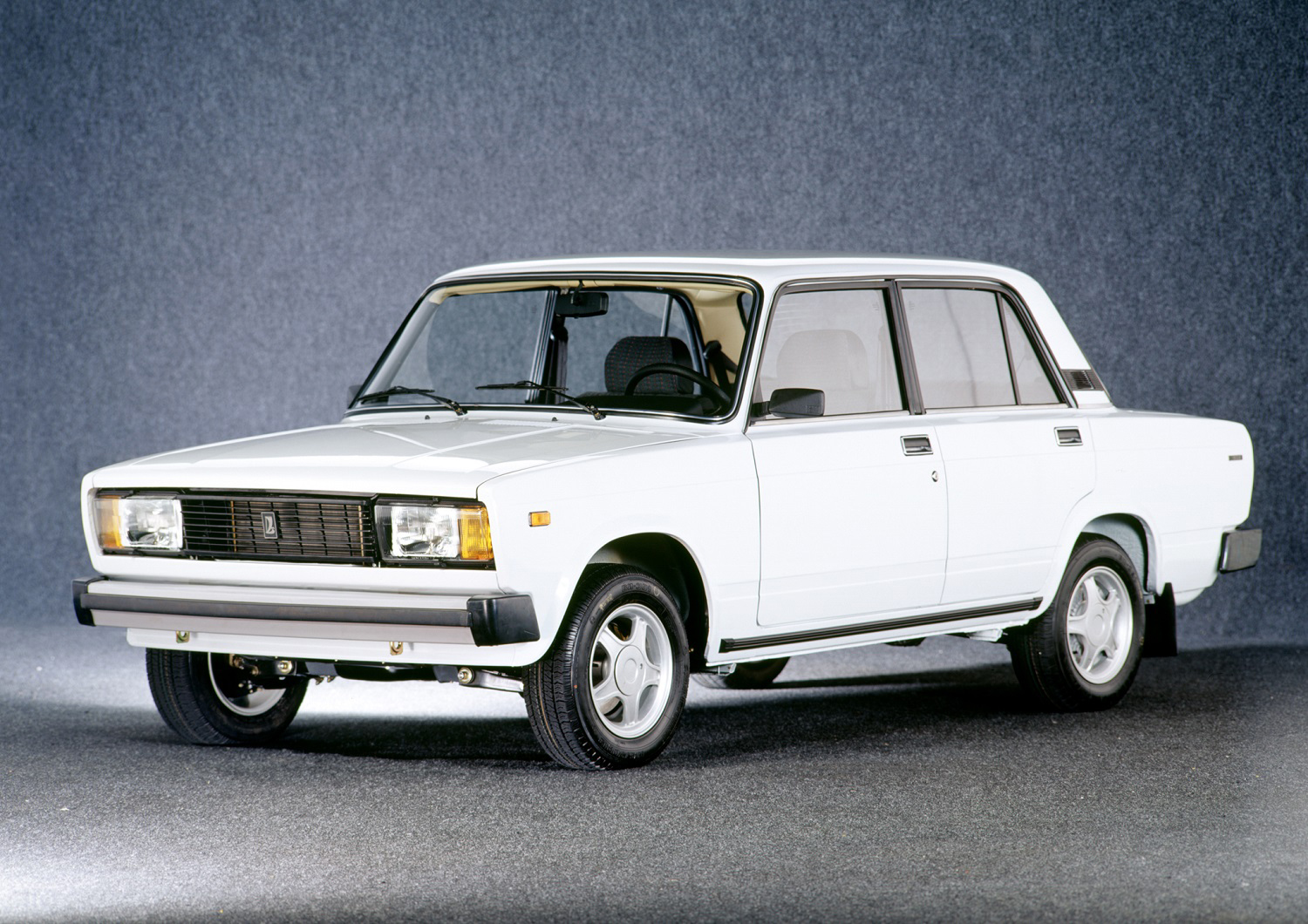
Lada elected to update the Fiat 124-derived 2101, its very first car, instead of developing a successor from scratch. The four-cylinder engine carried on with only minor changes, but the 2105 inaugurated a new look characterised by square headlights and a plastic grille.
Lada exported the 2105 to many nations including Canada, where whitewall tires upped its style quotient, and the UK, where it wore the Riva nameplate. With over 14 million examples produced, Lada’s 124-based saloon remains one of the best-selling cars of all time. Put the numbers together with the Fiat 124 itself, and production totalled in the region of 20 million, making the model the second-largest produced car in history.
Fiat Uno (1980-2013) – 33 YEARS
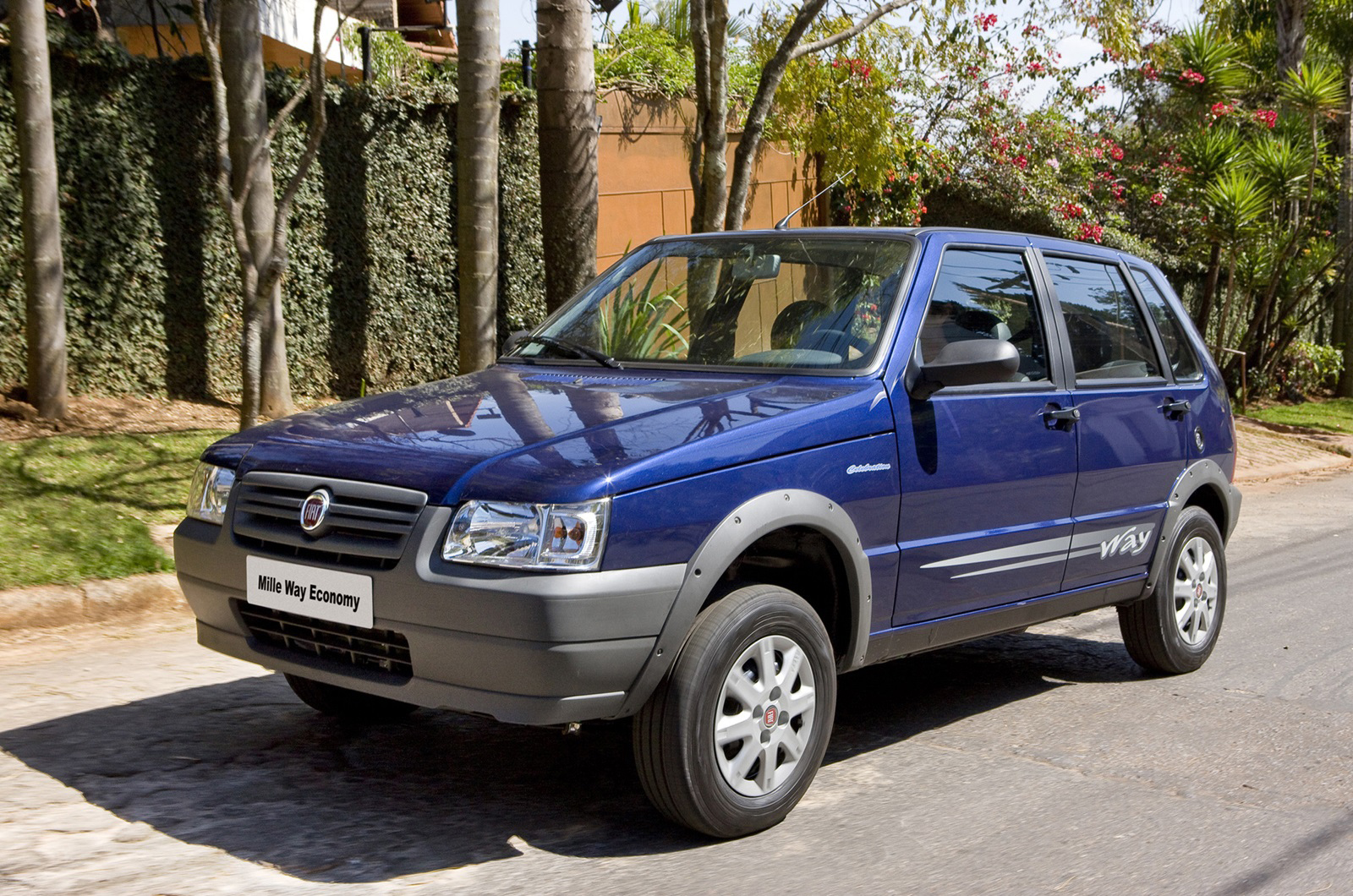
Last sold new in 1995, the Fiat Uno is a distant memory in Europe. It’s still a late-model car in Brazil, where production ended in 2013. Called Mille during its last years on the market, the Brazilian-spec Uno received a new look that brought it up-to-date with the design trends of the early 2000s. Little changed underneath, however.
Fiat ended Uno production when the Brazilian government announced every car built after January 1, 2014, needed front airbags and ABS brakes. Fittingly, the Uno-turned-Mille went out with a limited-edition model named Grazie Mille.
Renault 4 (1961-1994) – 33 YEARS
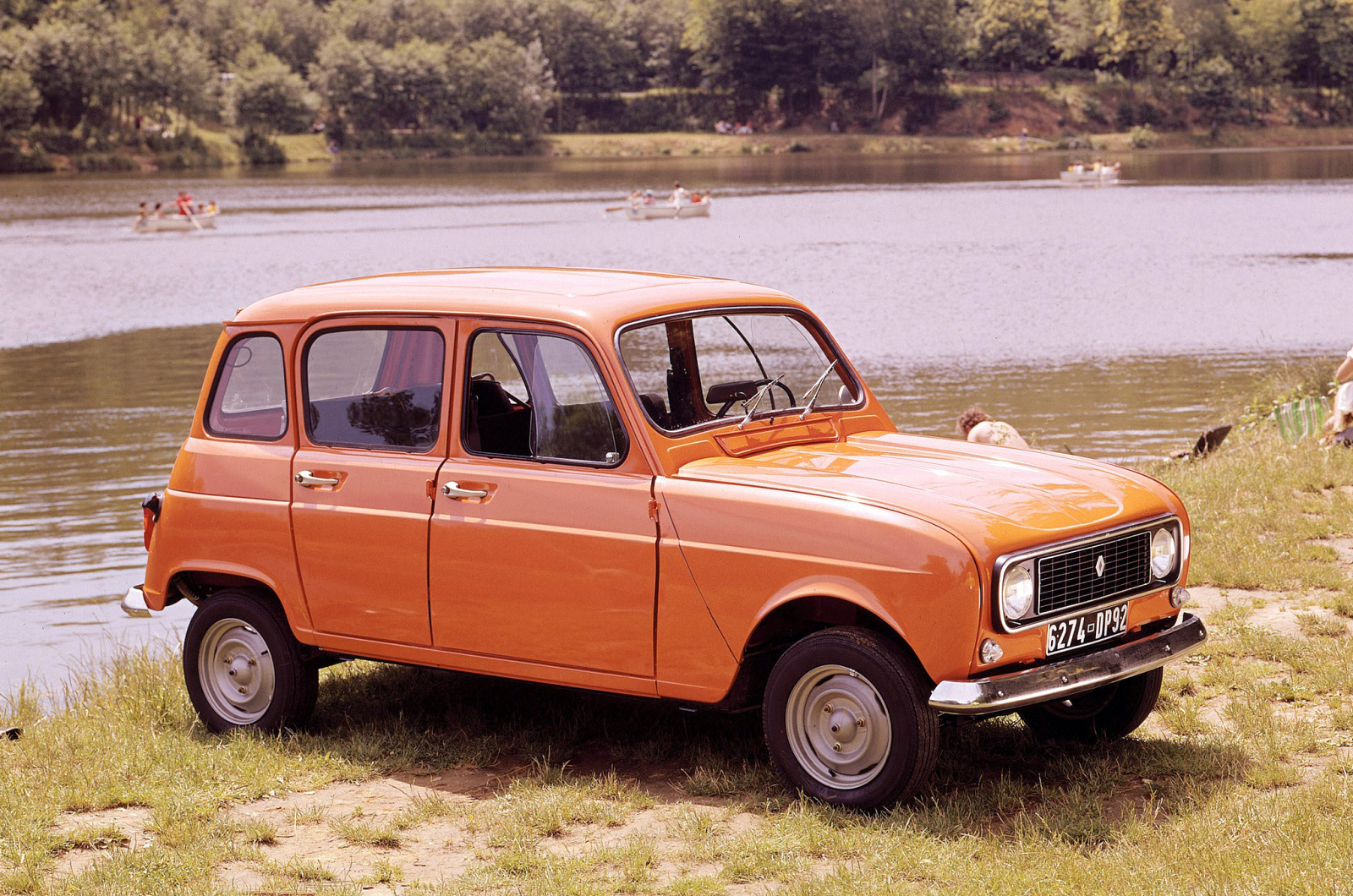
The Renault 4 was the right car at the right time. Designed to replace the 4CV, it rendered its predecessor completely obsolete with a front-engine, front-wheel drive layout and a large boot accessed through a practical hatch. It was everything a people’s car should be: affordable, reliable and easy to mend.
Renault made countless little tweaks to the 4. Its bonnet wore four grille designs, and its engine bay housed a series of increasingly powerful four-cylinders. Its basic body never changed significantly, however. Renault built over 8 million examples of the 4 in a dizzying array of nations including France, Ireland, Morocco, Algeria, Yugoslavia, Chile and Uruguay.