
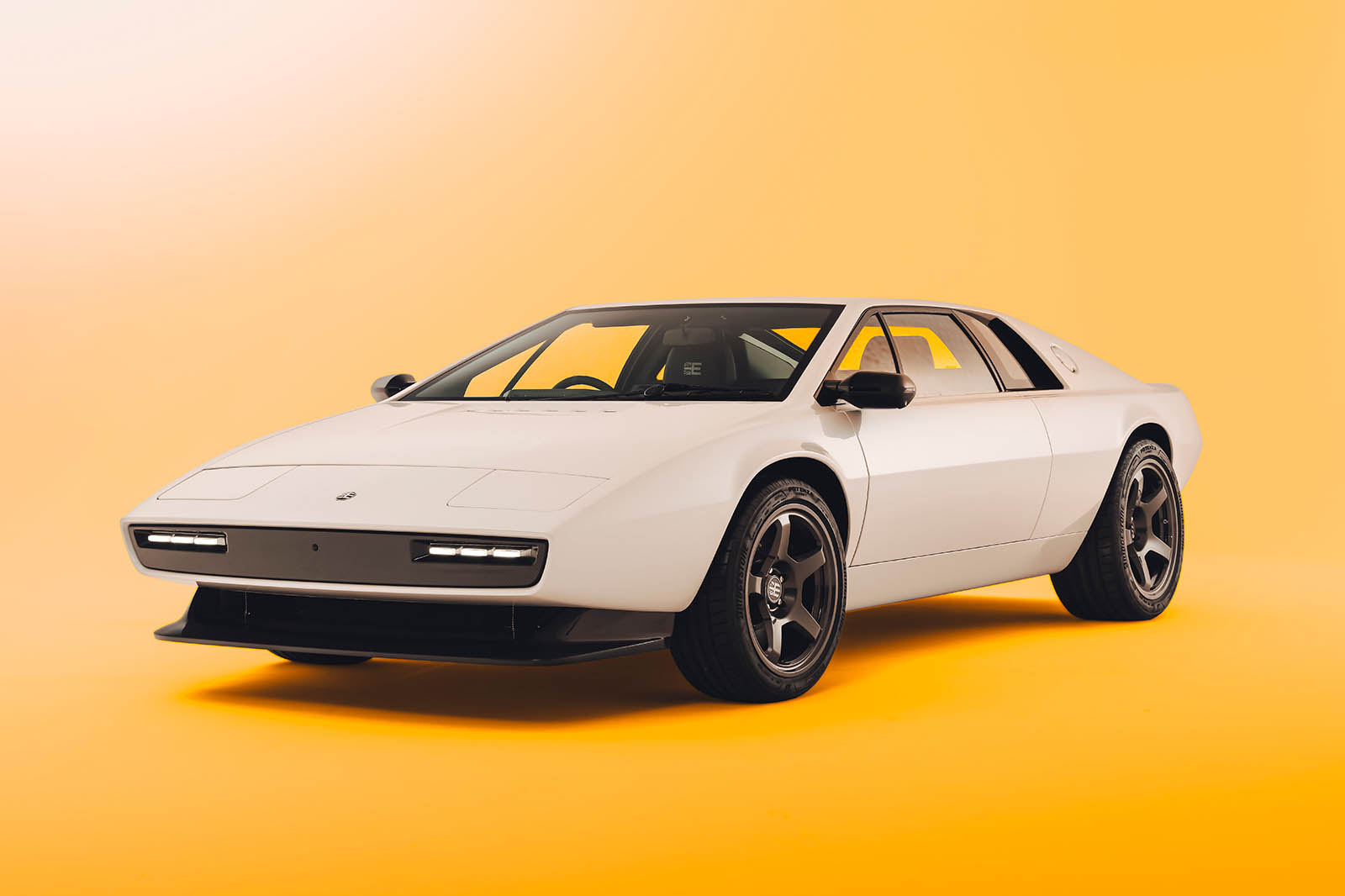
“We’ve been able to take a complete, holistic look at it and improve it,” added Ives.
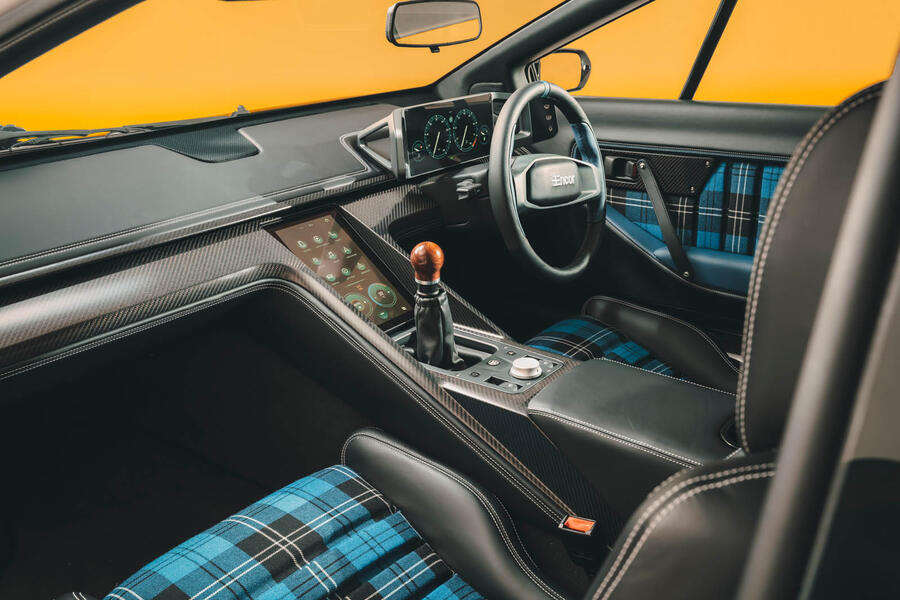
Indeed, Durrant said that the team “talked about what the product could be, we were really sure that we should start with something that was as kind of as pure as possible, and then we would go ahead and see how far we could refine it”.
He added: “Because time’s moved on a lot, and technology’s moved on a lot, so the options available to us are entirely different to the options available to the teams that would have worked on similar cars.”
Durrant (pictured below, left) admitted that the team felt “a really, very strong sense of responsibility on a car that’s so well loved, so iconic” during the project, compelling them “to treat it with absolute respect”.
Asked about refining something that was originally penned in the 1970s, instead of creating a modern machine that would be tied down by legislation, Durrant said it was “wonderful”.
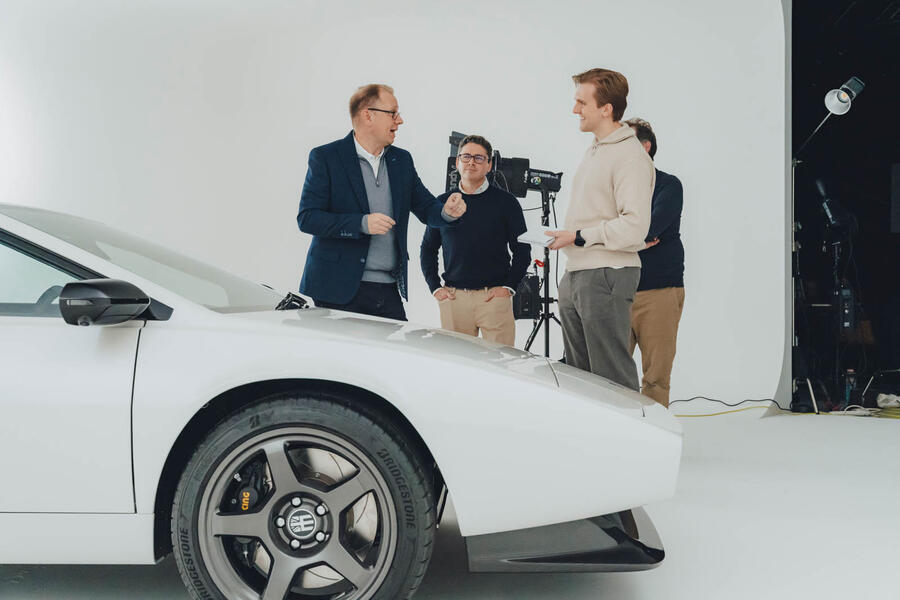
“Legislation definitely pushes it in a certain direction. So you end up with something that the purity of an original gets diluted over to,” he added. Such elements which today would be banned, he said, would be “proportions that we all love and want” from a sports car, such as the tucked underbody and the nose height.