
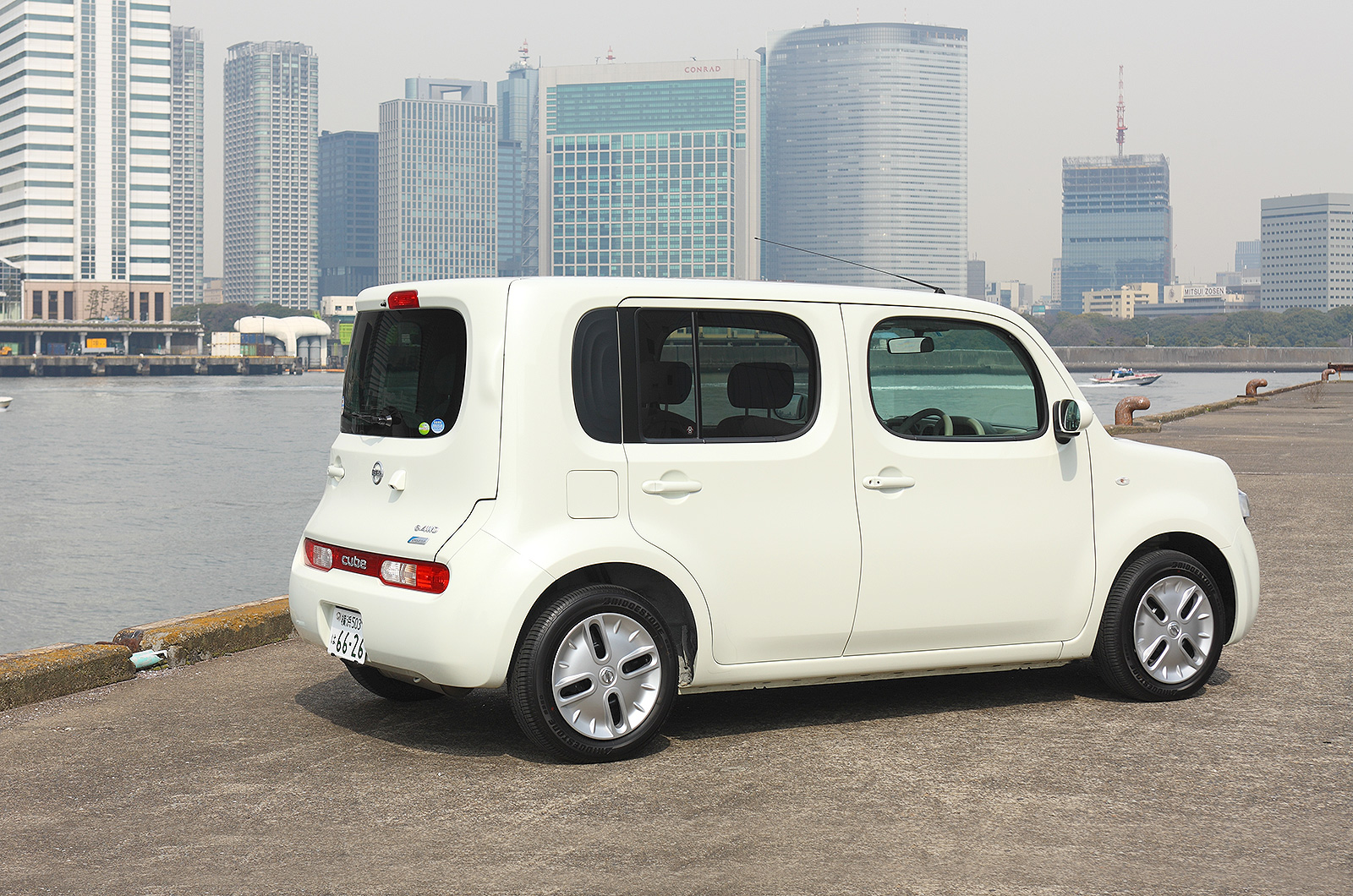
That was all well and good, but if elegance was what you were after, you’d have been well advised to look elsewhere.
Fiat 500 TwinAir
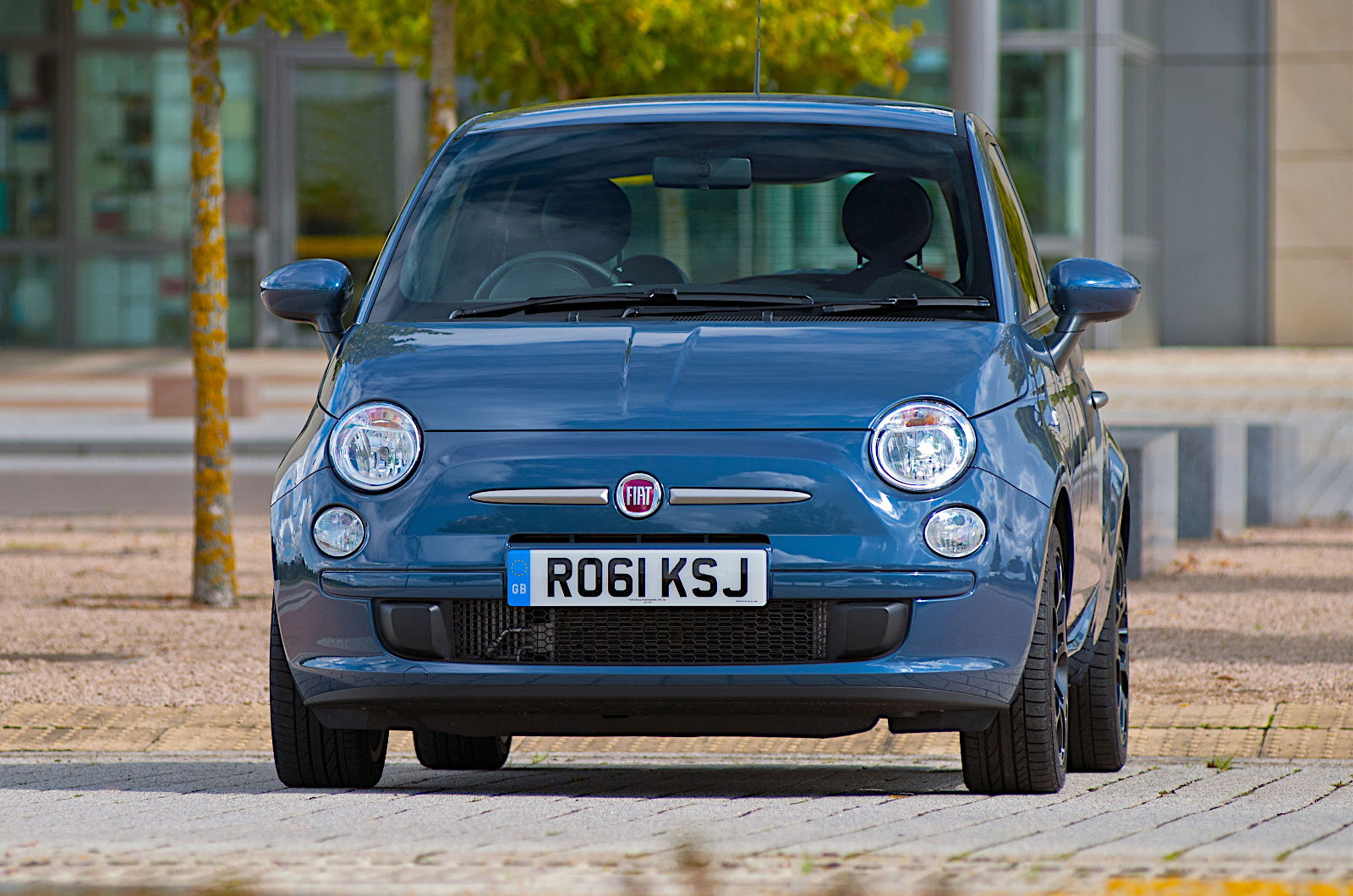
Since so many other retro-styled vehicles had been introduced in the last decade or so, the 500 was not particularly considered an oddball when it made its debut in 2007. That changed when the TwinAir came along three years later. Its 875cc engine (the first designed from scratch to use Fiat‘s brilliant MultiAir valve lift and timing technology) was the first two-cylinder unit fitted to a mainstream European car since the demise of the Citroën LNA in the 1980s.
Perhaps just as importantly, when running at idle it made the 500 sound as if it was purring, which was simply too cute for words.
Fiat Multipla
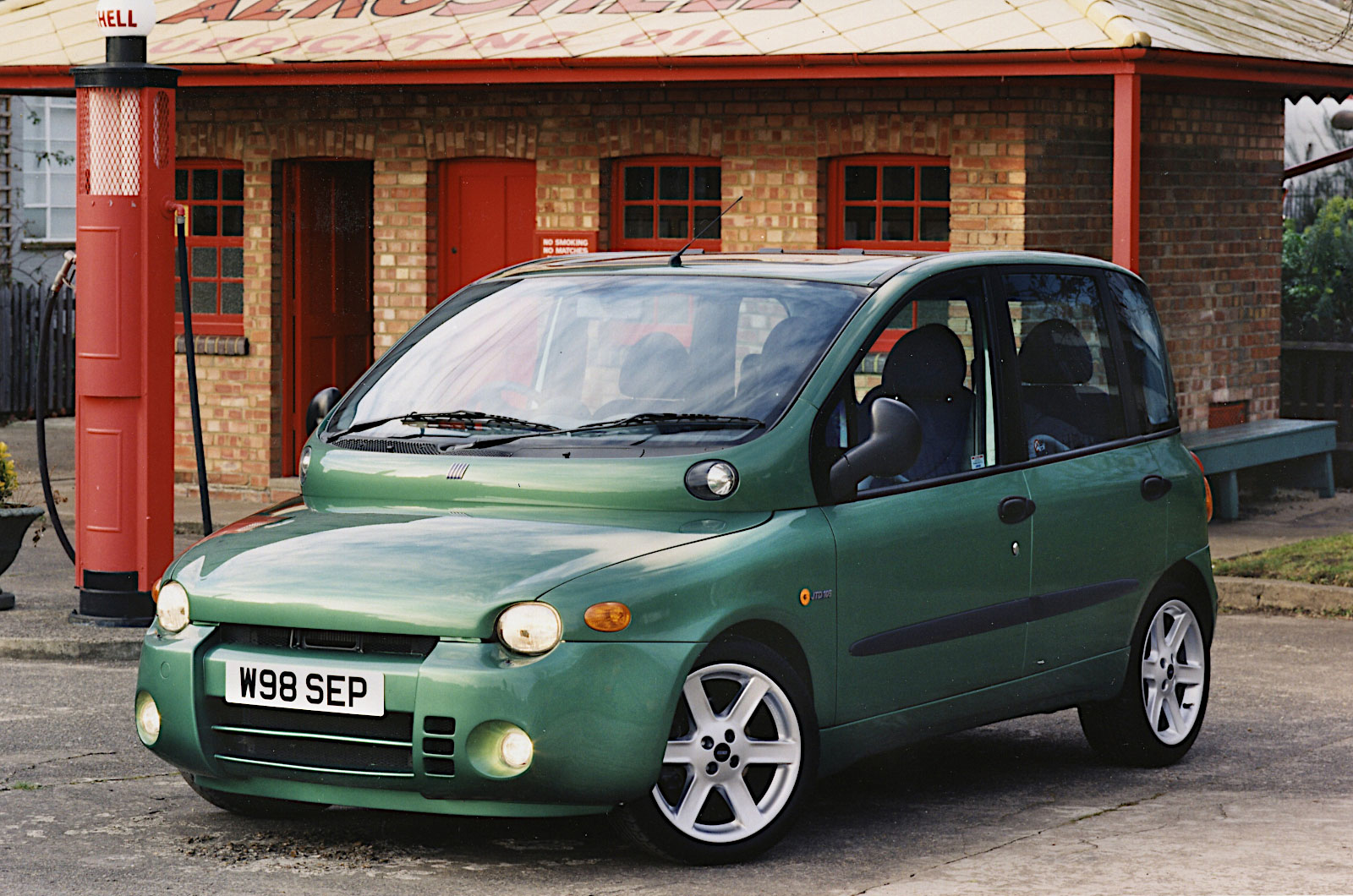
The original Multipla, a six-seater version of Fiat‘s tiny 600, looked thoroughly bizarre. The modern equivalent introduced in 1998 did too, though it had the advantages of a more sociable seating arrangement (two rows of three seats) and a front-end crumple zone which the 1950s car entirely lacked.
The design was controversial, to say the least. Fiat stuck to its guns for a few years, but backed off in 2004, restyling the car to make it appear far more conventional, and frankly less memorable.
Ford Consul Classic
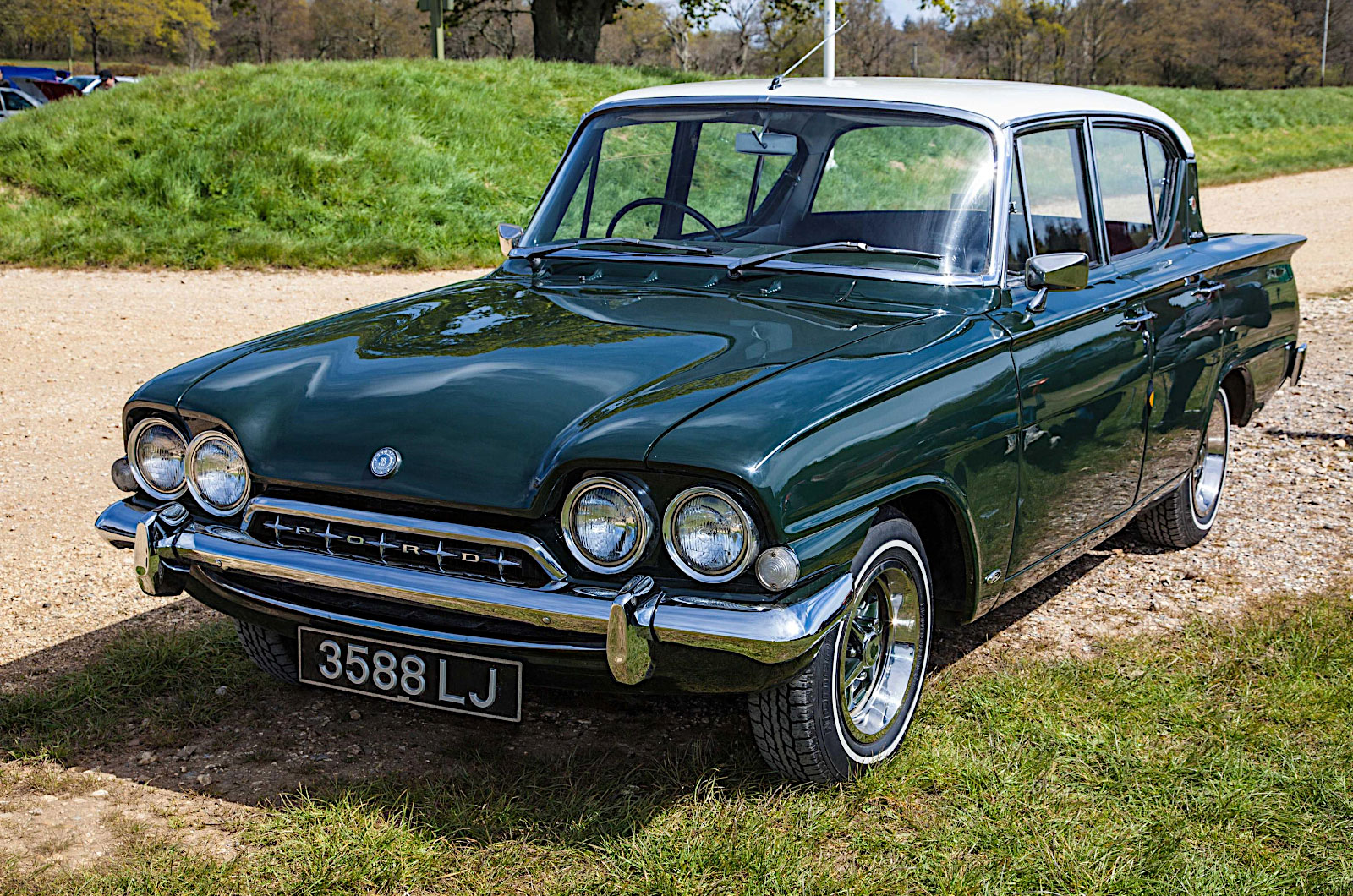
Not previously known as a manufacturer of daringly designed cars, Ford caused consternation when it introduced the Consul Classic to the UK market in 1961. Strongly influenced by US styling trends, the Consul Classic had quad headlights and a reverse-sloped rear window. The latter had been used for the Anglia since 1959, but it seemed far more outlandish on the larger model.
A coupe version called the Consul Capri had a more conventional rear window but still looked very strange. Like the Consul Classic, it was a sales failure – by Christmas 1964, both cars had been discontinued.
Ford Model T
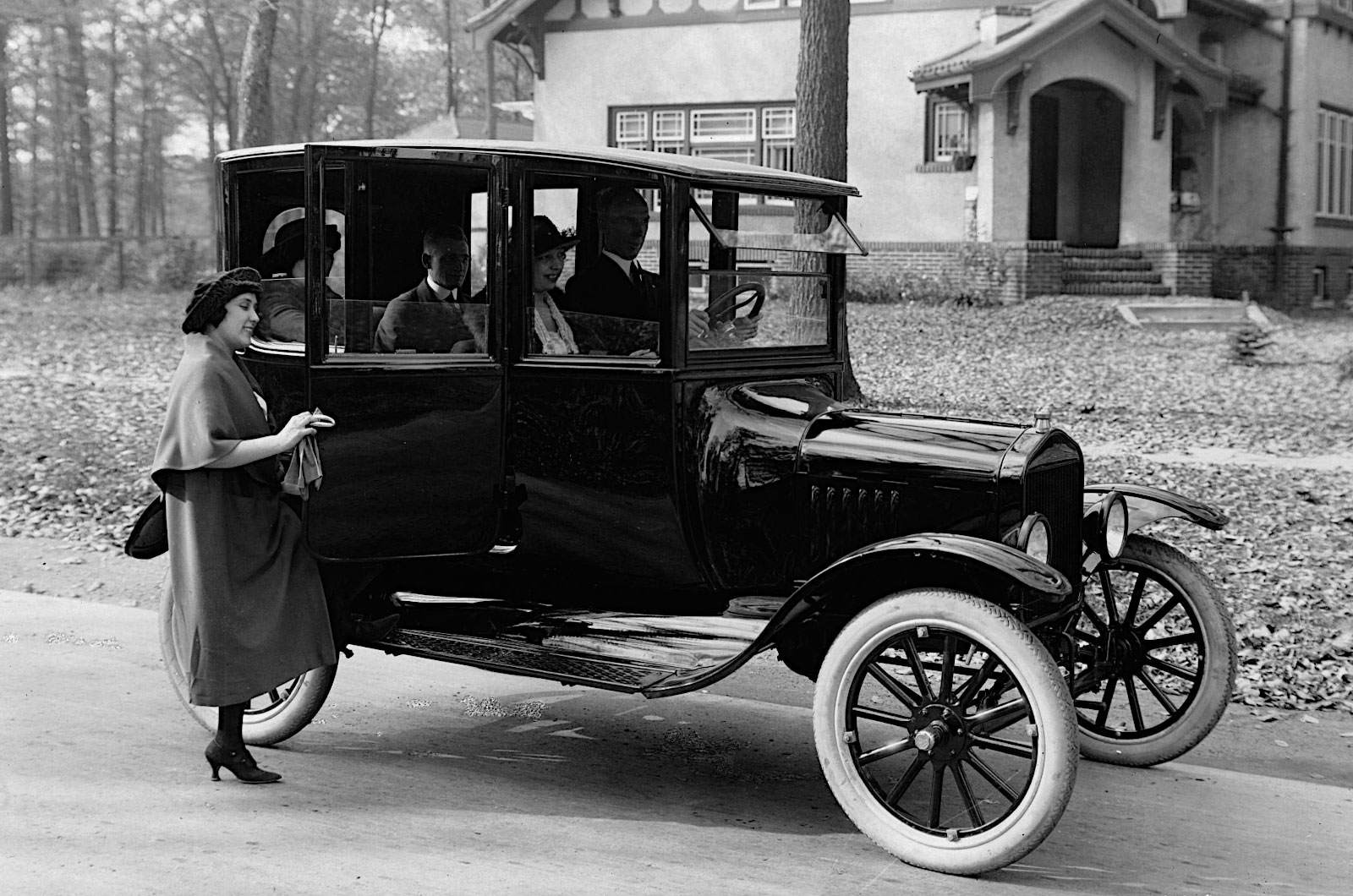
The fact that the Model T held the record for world’s best-selling car until 45 years after Ford stopped building it should not blind us to the fact that it was a most peculiar device. In particular, it required a very specific driving technique. All the major controls appeared conventional, but the only one that does what you think it should is the steering wheel. What appears to be the clutch pedal in fact allows you to select one of the two forward gears, the “brake” pedal selects reverse, and so on.