
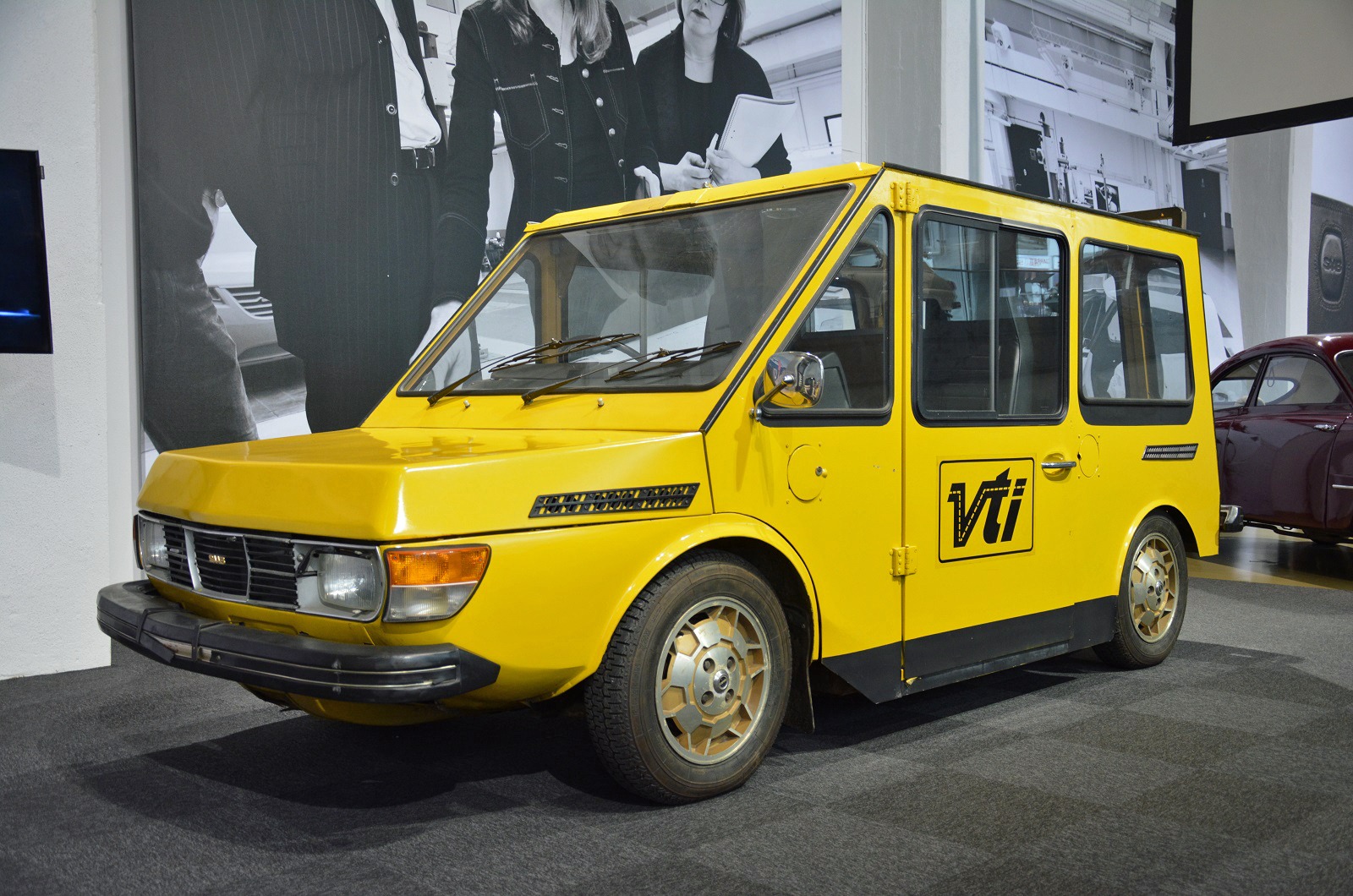
In 1976, decades before the term ‘electrification’ became a marketing buzzword in the auto industry, Saab alchemized a humble 99 into a boxy, battery-powered delivery van for Sweden’s postal service. Engineers mounted the battery pack under the passenger compartment. It could be removed for maintenance by using a purpose-built cart. Saab tested the van extensively but never moved forward with plans to mass-produce it.
99 Turbo (1977)
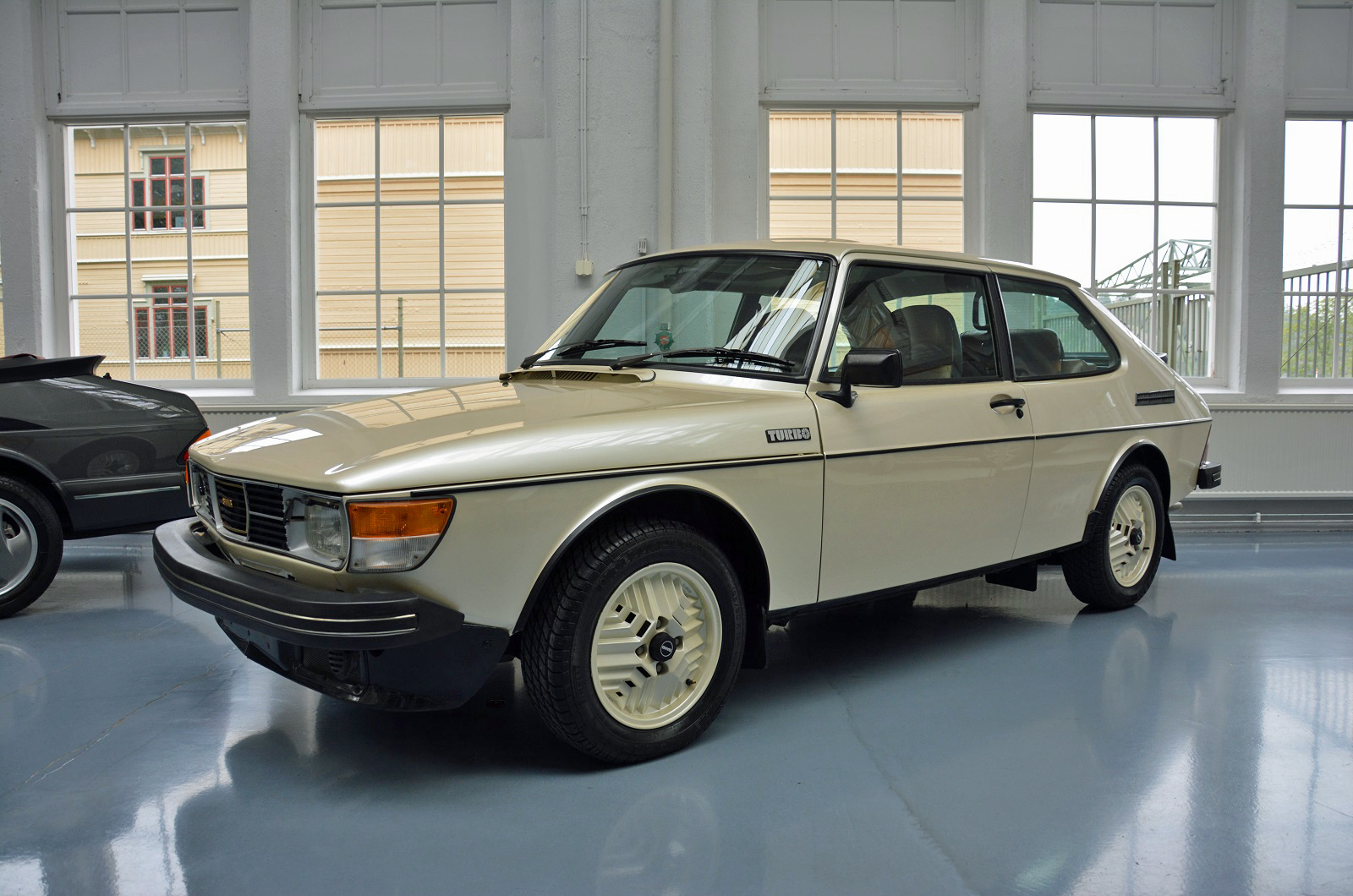
The 99 Turbo played a crucial role in forging Saab’s image as a purveyor of performance cars. Forced induction let the company squeeze 145hp from the 99’s 2.0-liter four-cylinder engine, an impressive statistic during the 1970s. The firm had geopolitics on its side, too. It launched the 99 Turbo in an era when rising fuel prices on both sides of the Atlantic created an unprecedented demand for cars that delivered both performance and fuel economy.
Saab displayed the example in its museum at the 1977 Frankfurt auto show. It wears white pearl lacquer paint and its interior is upholstered in two-tone brown leather, two options never offered on the regular-production car.
900 GLE (1979)
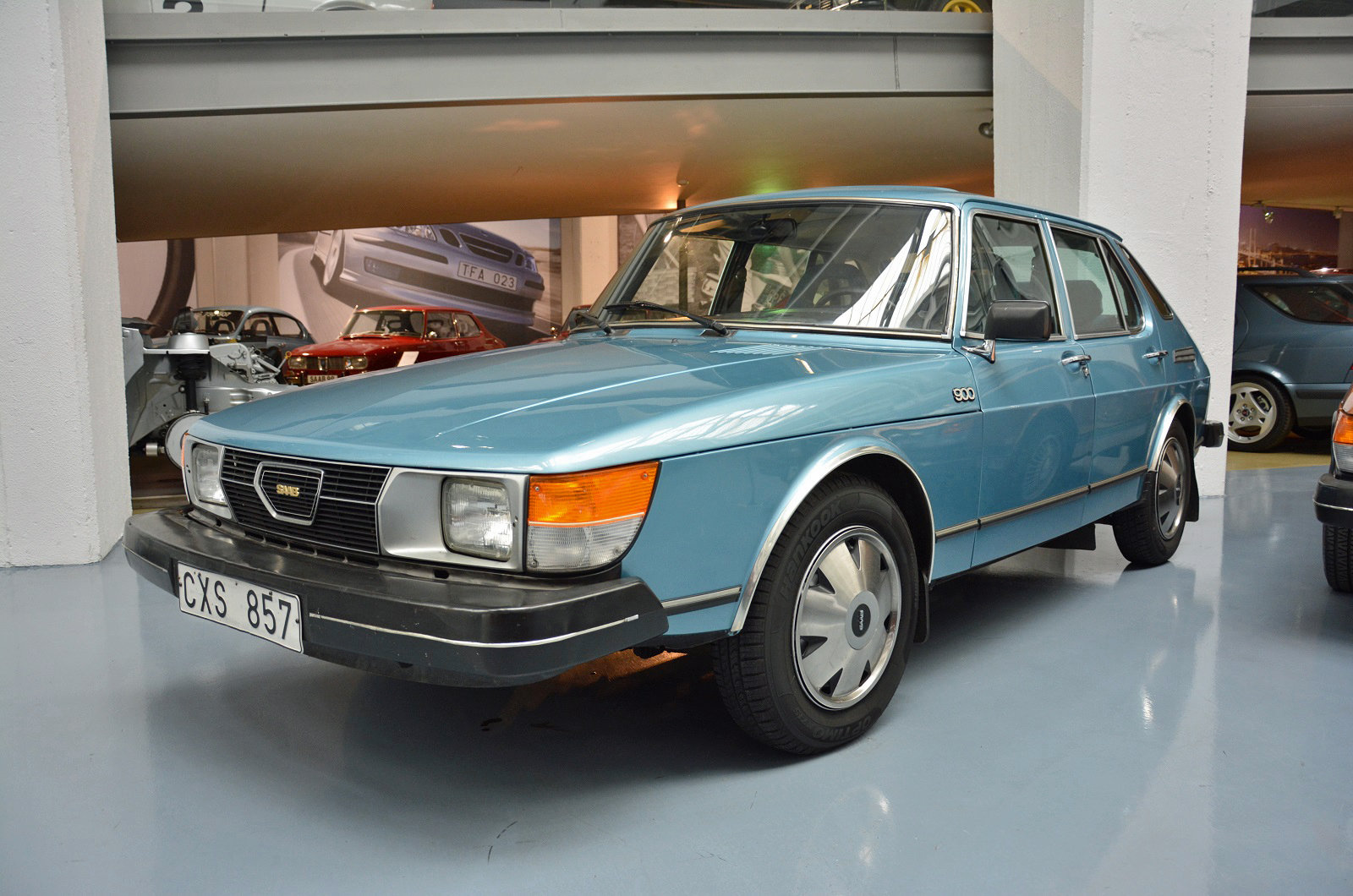
The 99 evolved into the 900, one of Saab’s most popular models, in 1978. Saab extended the front part of the car to obtain more space in the engine bay and lengthened the wheelbase to make the interior roomier. That was just the start of the 900 story. The firm later expanded the line-up with several body styles, including a convertible, and turned the performance dial up by several notches with versions like the SPG and the Aero.
Saab built 908,817 examples of the 900 between 1978 and 1993. The American-spec example pictured wears chassis number 17. It’s the oldest 900 left, according to Saab’s archives department, unless there’s an earlier one stashed away in a barn in rural Sweden.
96 V4 (1980)
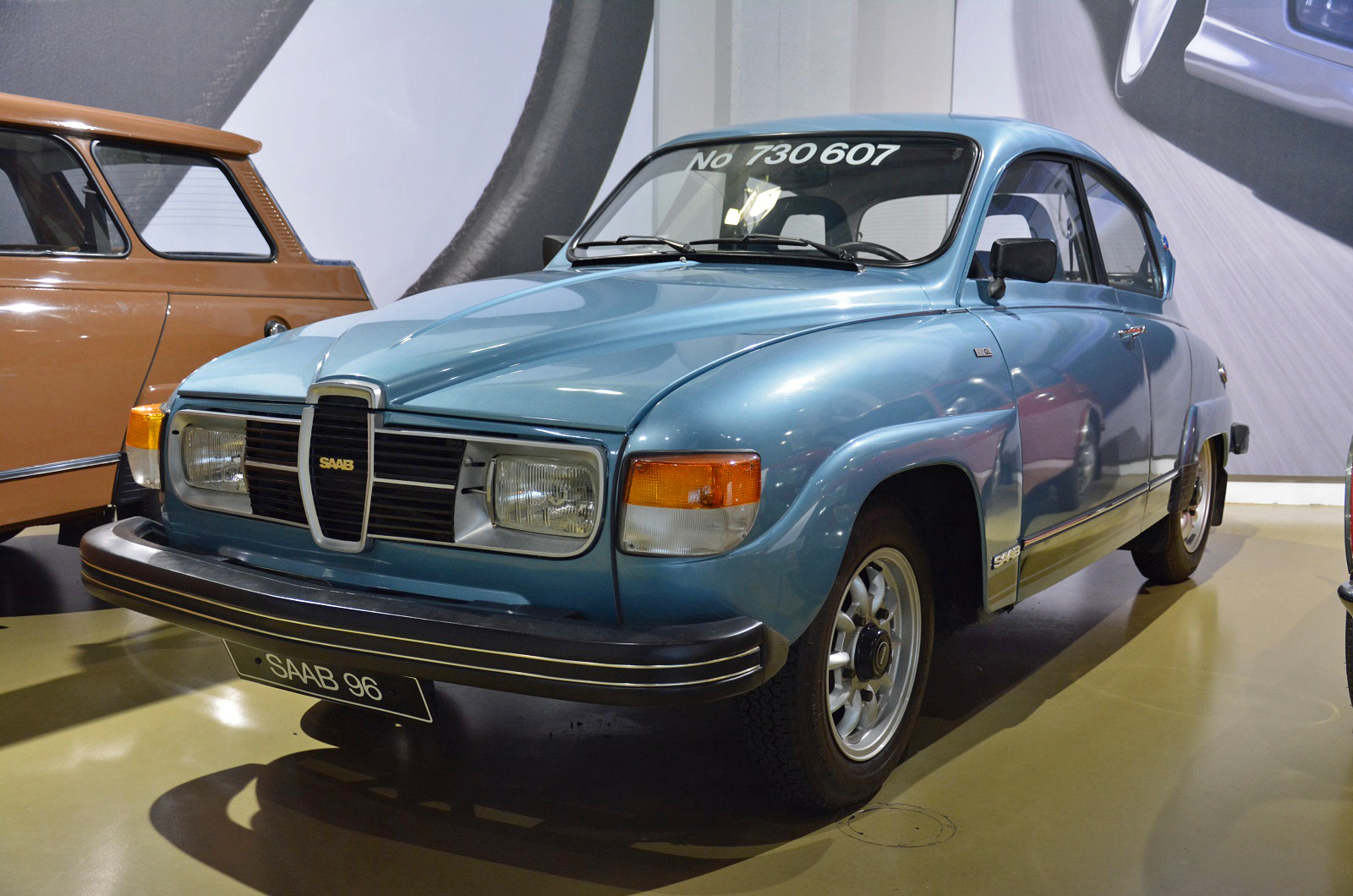
Saab closed a long chapter in its history when it built the last 96 (pictured) on 8 January 1980. The model directly traced its roots to the firm’s first car, the 92 introduced in 1950, though it was more modern in almost every way. Saab built 730,607 examples of the 92, 93 and 96 during an unusually long 30-year production run.