
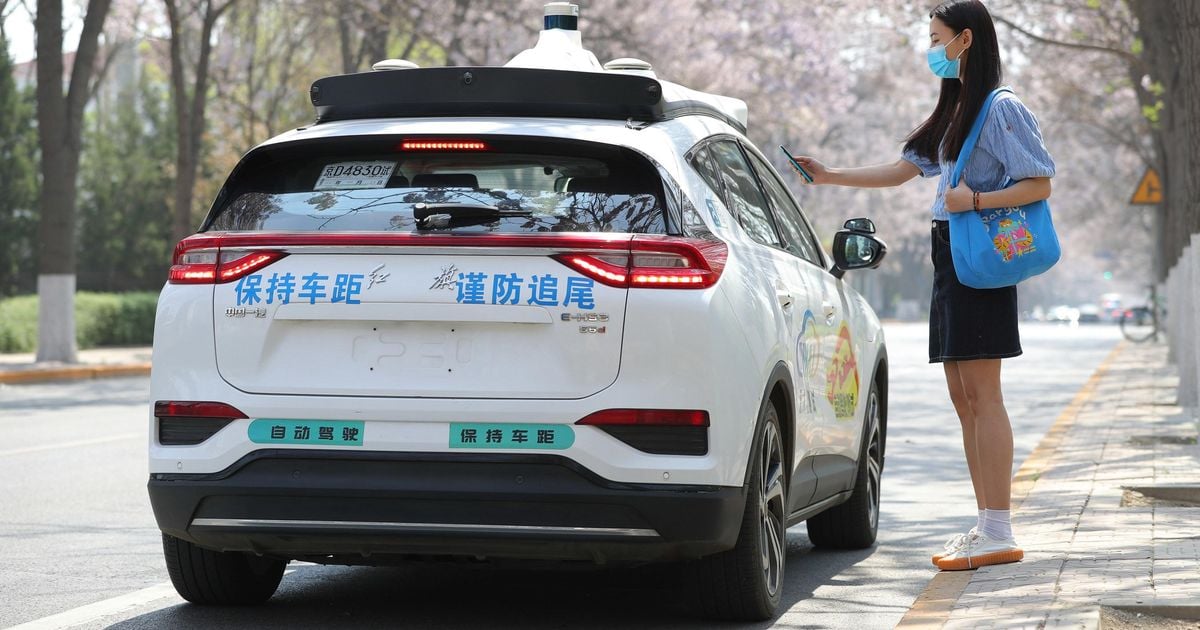
China has suspended autonomous vehicle (AV) operator Apollo Go as it investigates a major outage that recently left dozens of robotaxis stranded, disrupting traffic in the city of Wuhan.
According to Bloomberg, Chinese authorities have also paused issuing new AV licenses. Existing operators – including those beyond Apollo Go, which is owned by tech giant Baidu – have been barred from expanding their fleets until the incident has been fully analysed.
No timeline has been provided for when the investigation will be completed, or when Apollo Go will be allowed to resume its normal operations. The company currently operates around 1000 robotaxis in Wuhan.
Reports suggest as many as 100 vehicles were affected during the March 2026 outage, which lasted around two hours and left both cars and their passengers stranded.
CarExpert can save you thousands on a new car. Click here to get a great deal.

At least three road accidents were linked to the disruption, according to Automotive World.
Reports also claim in-vehicle emergency systems failed to function correctly during the outage, with Apollo Go citing “network issues” but offering no further public explanation.
It marks the second major incident involving Baidu’s autonomous driving operations, following a similar stoppage in late 2024 that also resulted in a suspension.
In response to the March 2026 failure, China’s Ministry of Industry and Information Technology (MIIT) called for broader safety reviews and tighter oversight of AV testing and robotaxi operations nationwide.
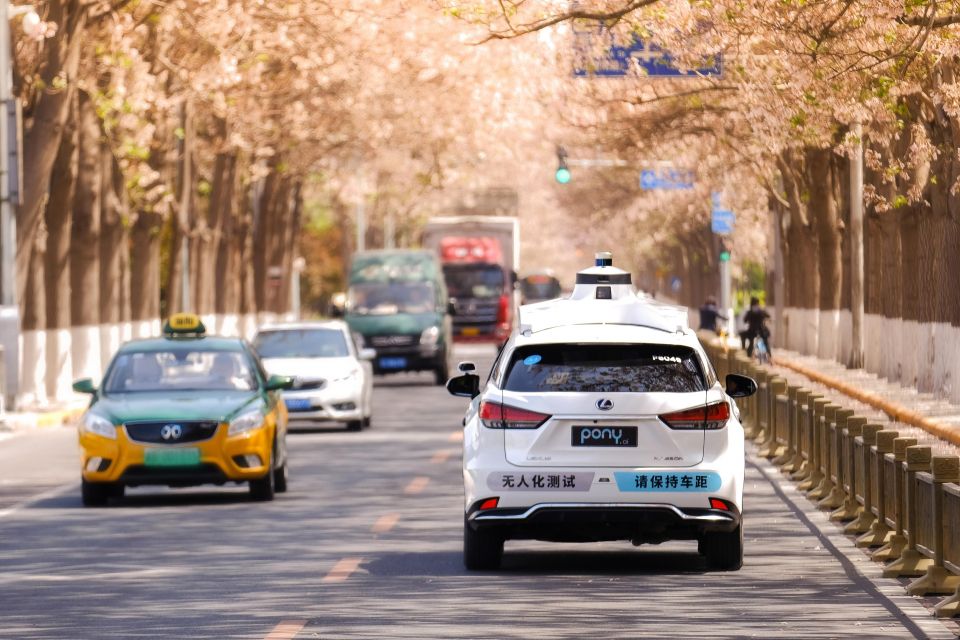
Despite the suspension, other services including Pony.ai and WeRide continue to operate robotaxis in China.
Competition in the global robotaxi sector remains intense, with companies including Tesla, Uber and Google-owned Waymo all vying for leadership.
Uber CEO Dara Khosrowshahi has previously described the segment as a “trillion-dollar-plus” opportunity, with the rideshare company having partnered with Baidu to expand the technology in China.
Tesla is targeting an expansion into China in 2026. The US-based automaker began limited robotaxi trials on public roads in US cities including Austin, Dallas and Houston last year, with plans to expand testing to San Francisco later this year.
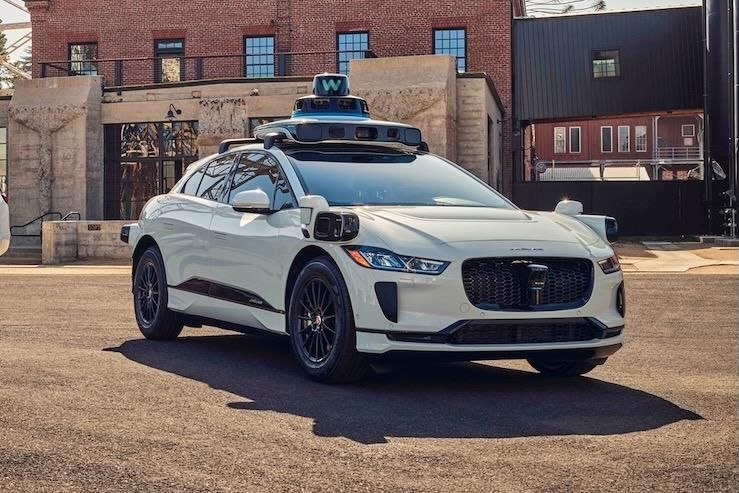
Waymo and Uber both expanded their robotaxi operations in 2025, with Waymo outlining plans to launch public services in London, England, while also testing AVs in Tokyo, Japan.
Last week, the BBC said Waymo apologised after one of its vehicles was driven through a crime scene in London by a human ‘validation driver’ during testing ahead of its public rollout.
There are currently no robotaxi services operating in Australia, though Waymo has held discussions with local policymakers and regulators, and said in early 2026 that it was actively setting up operations in Sydney.
MORE: Video shows why robotaxis won’t be replacing regular drivers anytime soon