
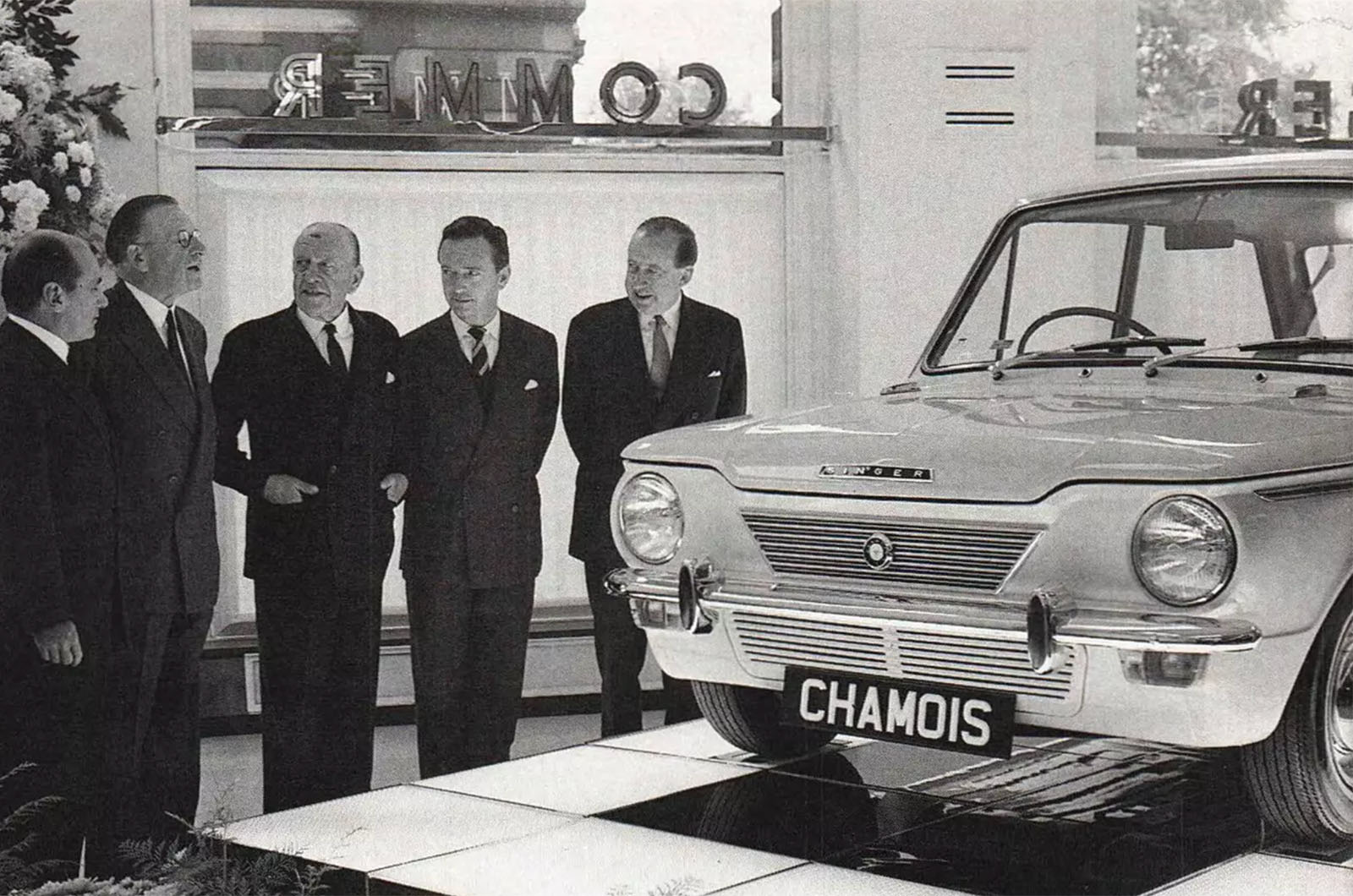
We first road tested a Singer in 1926, finding the Six saloon, at £375 (£20k today), to be “a very promising newcomer, with creditable performance, good roadholding qualities and a quiet, smooth-running engine”. Having long been a fixture in Brooklands races, Singer ventured to Le Mans in 1933 with its new roadster. In a “brilliant race” won by Alfa Romeo, it came 13th and last, but reaching the finish was a big achievement for the essentially stock 972cc Nine.
Singer created a souped-up version for the next year and duly came seventh, beating an MG to victory in the sub-1000cc class. The 1935 Ards TT race would be a disaster, however: three Nines crashed badly in quick succession at the very same spot, due to identical steering-arm failures. Thankfully nobody was killed, but Singer’s reputation suffered terribly. Still, it survived until the war, when British industry transitioned en masse to military work, and in 1948 was able to rejuvenate itself with the all-new SM family saloon.
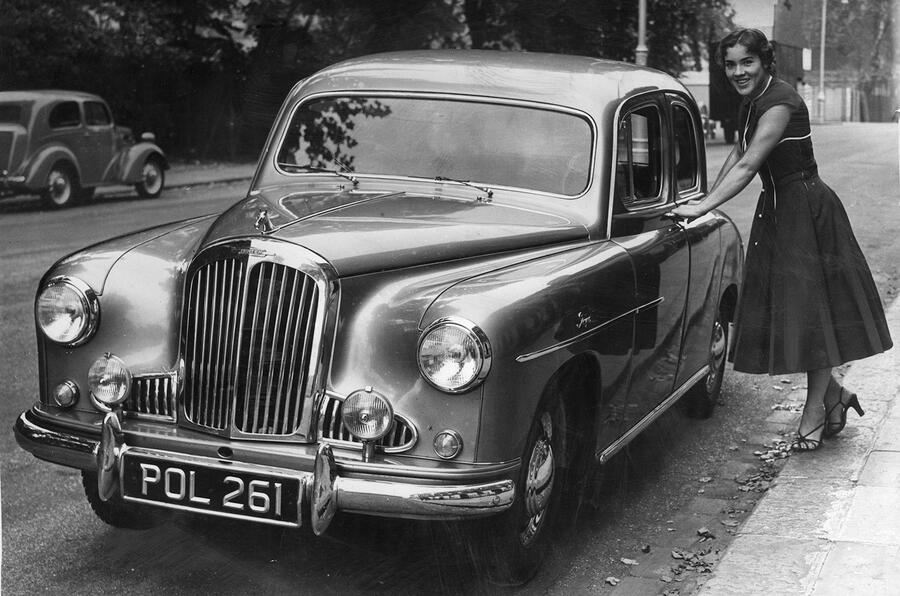
This spawned a sporty roadster in 1951, which we found “a compact, willing little car with a lively performance” – and was endorsed by no less than Marilyn Monroe.
Nevertheless, Singer’s financial situation remained poor, leading its directors to accept a £235k takeover bid by the Rootes Group in 1956.
This was a full-circle moment for William Rootes. As a car-obsessed teen, he had been apprenticed to Singer; then sold his chicken farm to set himself up as its Kent dealer; and with his family’s help rapidly built a car-making giant. Even half a century later, some employees at Coventry still remembered him.