
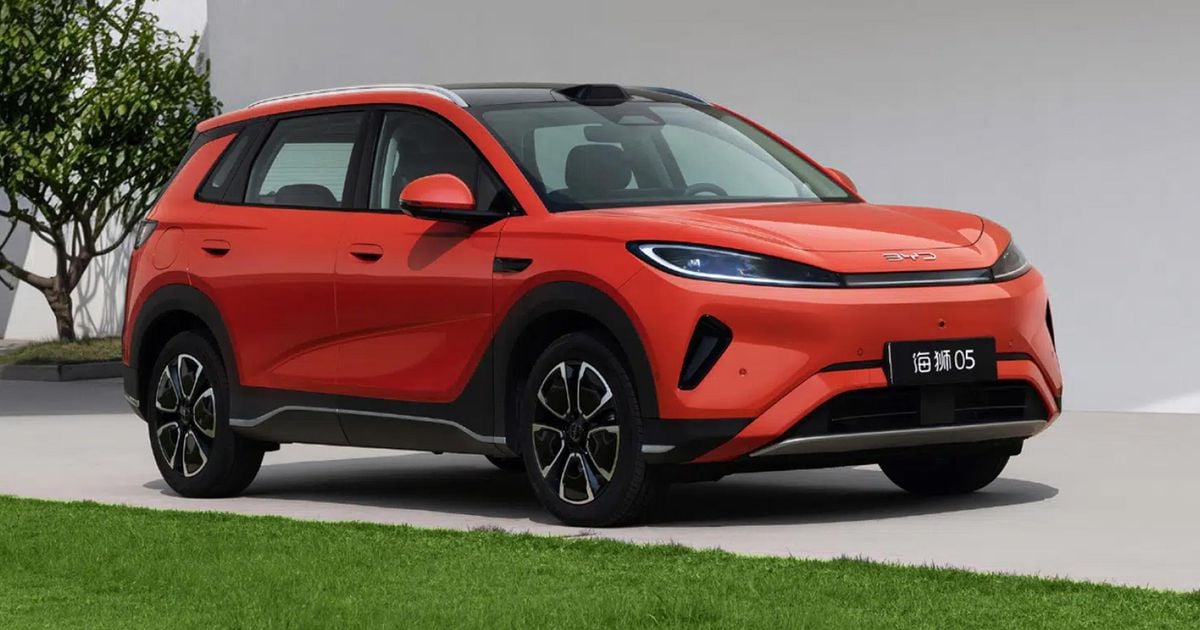
Australia’s cheapest plug-in hybrid electric vehicle (PHEV) has been redesigned as the BYD Sealion 05 DM-i, launched in China with more safety tech, and larger batteries offering up to three times as much electric driving range.
The Toyota RAV4-sized Sealion 5 DM-i was launched in Australia in 2025 priced from $33,990 before on-road costs, taking over from the Geely Starray EM-i as Australia’s cheapest PHEV. Customer deliveries commenced in January 2026.
The new Sealion ‘05’ revealed in China adopts exterior styling from the Sealion 05 EV – launched in China last year but not offered in Australia – along with cabin upgrades and a much longer electric driving range.
BYD Australia has yet to confirm the new Sealion 05 DM-i for local showrooms.
CarExpert can save you thousands on a new car. Click here to get a great deal.
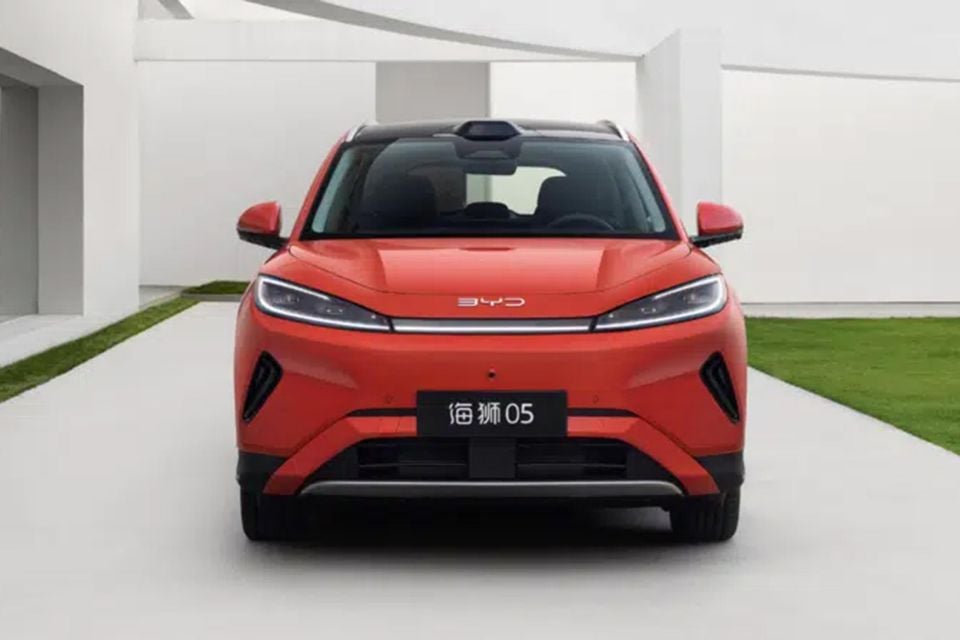
The Sealion 05 DM-i has a cleaner, closed-off snout similar to that of the EV, replacing the large grille of the current Sealion 5 PHEV sold here.
There are now flush door handles and straighter horizontal character lines along the front and rear guards, replacing the previous protruding side crease running the length of the vehicle.
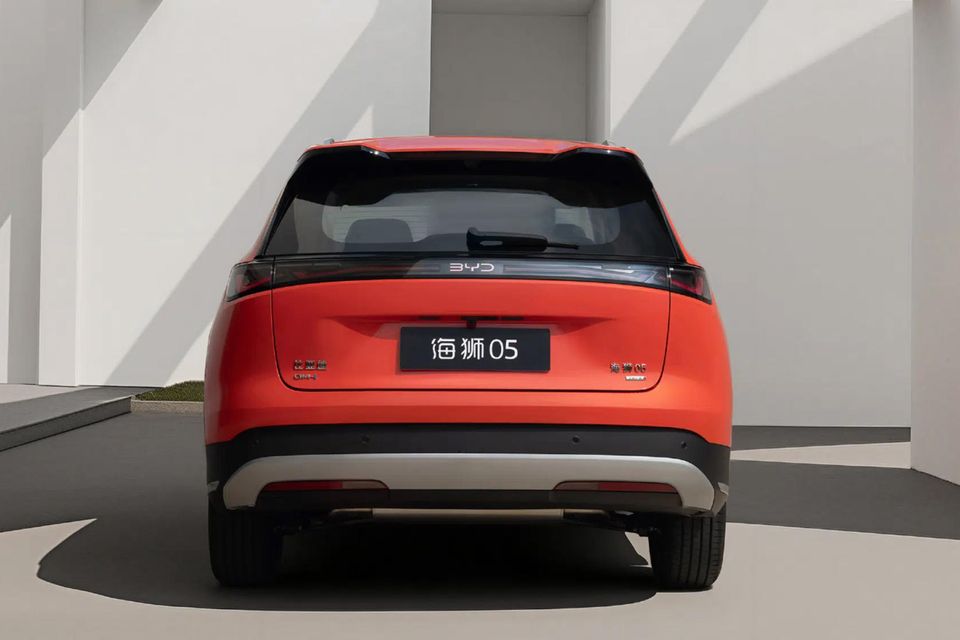
At the rear, there’s a cleaner lighting signature, a simplified lower bumper and a more intricate integrated tailgate spoiler, alongside new colours and alloy wheel designs.
The updated Sealion 05 is 118mm shorter than the current model sold here, measuring 4620mm, further separating it from the larger Sealion 6 PHEV.
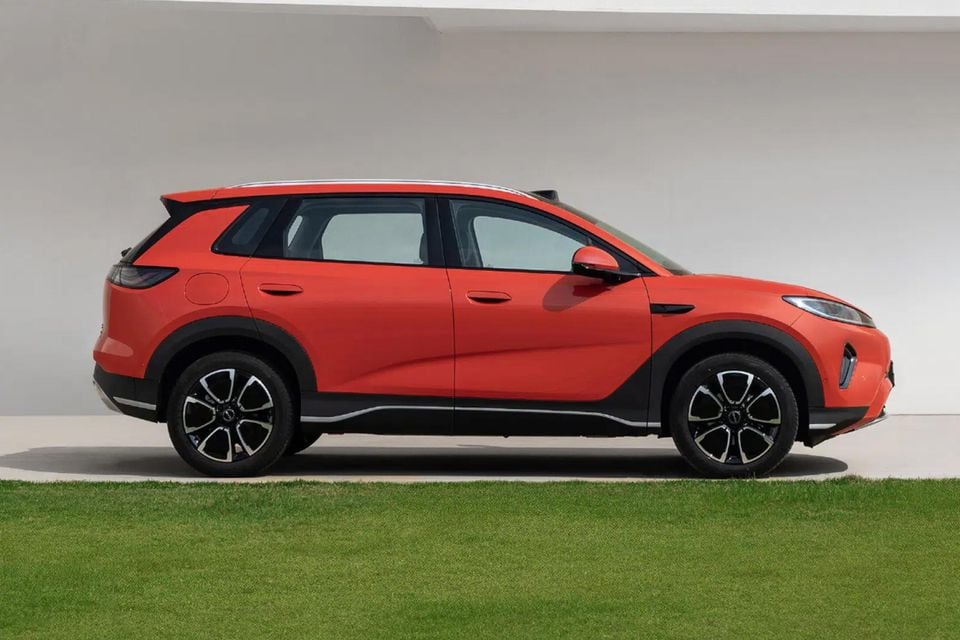
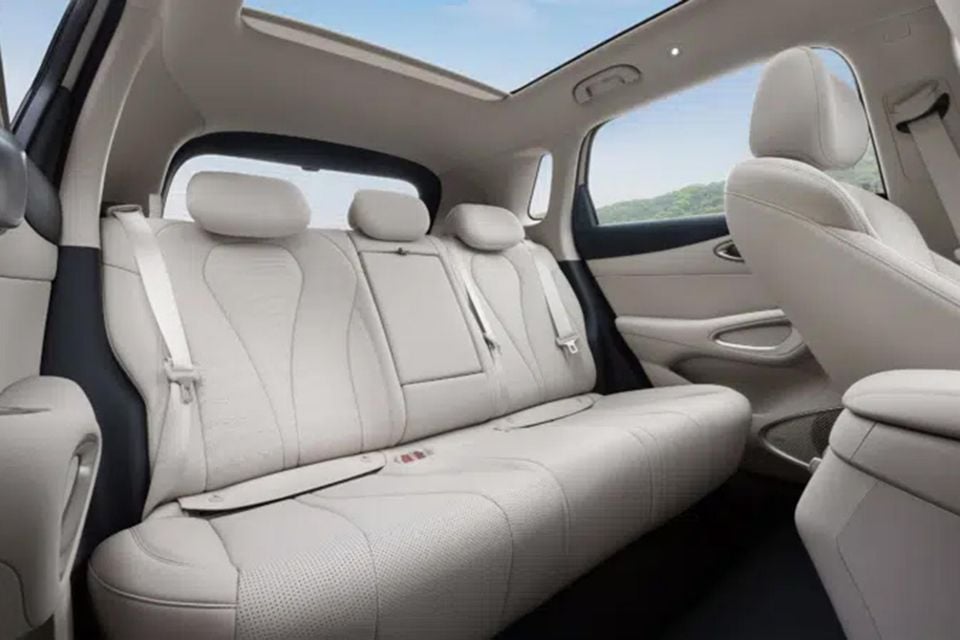
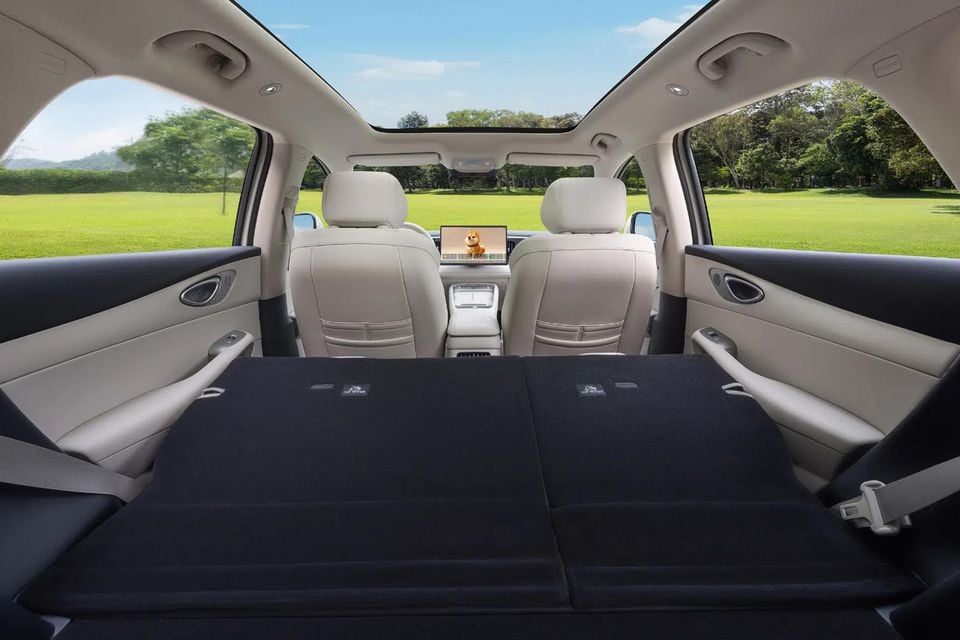
Despite the shorter overall length, the wheelbase has grown by 58mm to 2770mm, with shorter overhangs and increased cabin space. Boot capacity has also increased significantly from 463L to 650L.
The entry-level model rides on 17-inch wheels, while higher grades in China feature 18-inch alloys. The Sealion 05 DM-i features front strut and multi-link rear suspension, with ‘DiSus-C’ adaptive damping available.
Inside, the gear selector has moved to the steering column, freeing up space in the centre console for dual wireless phone chargers, cupholders and a cooled storage compartment.
A 12.8-inch touchscreen is standard on Chinese models, up from the 10.1-inch unit in the current Australian version, while higher grades get a 15.6-inch display.

Physical shortcut buttons remain below the screen, while an 8.8-inch digital instrument cluster sits ahead of the driver.
The Sealion 05 DM-i remains front-wheel drive, unlike the rear-wheel drive Sealion 05 EV, but its powertrain has been updated with a significantly larger battery.
A 26.62kWh Blade battery is standard, replacing the outgoing 12.9kWh pack, with BYD claiming up to 220km of electric driving range under NEDC testing – roughly triple the current model’s 71km claim.
A larger 34.27kWh battery is offered in higher-spec variants, with a claimed 305km (NEDC) electric range, up from 100km in the current Australian range-topper.
Both batteries improve AC charging from 3.3kW to 7kW. The smaller pack supports up to 57kW DC fast charging, while the larger battery can accept up to 74kW.
The 1.5-litre four-cylinder petrol engine has been slightly uprated to 74kW and 126Nm, while the electric motor now produces 120kW and 210Nm across the range, down from 145kW and 300Nm previously.
Combined fuel consumption is claimed at 3.1L/100km, with a driving range of up to 2105km aided by a larger 65-litre fuel tank.
While entry-level models in China miss out on some advanced driver assistance systems (ADAS), higher grades feature a LiDAR sensor and ‘DiPilot 100 assisted driving’.
This includes adaptive cruise control, lane centring assist, speed sign recognition and adaptive headlights.
Despite BYD climbing to third place in Australian sales last month, the Sealion 5 remains its slowest-selling model year-to-date.
BYD Australia has previously said this was a factor in pulling the Sealion 5 from remaining ANCAP testing bookings in 2025, prioritising the larger Sealion 8 seven-seat SUV instead.
MORE: Explore the BYD Sealion 5 showroom