
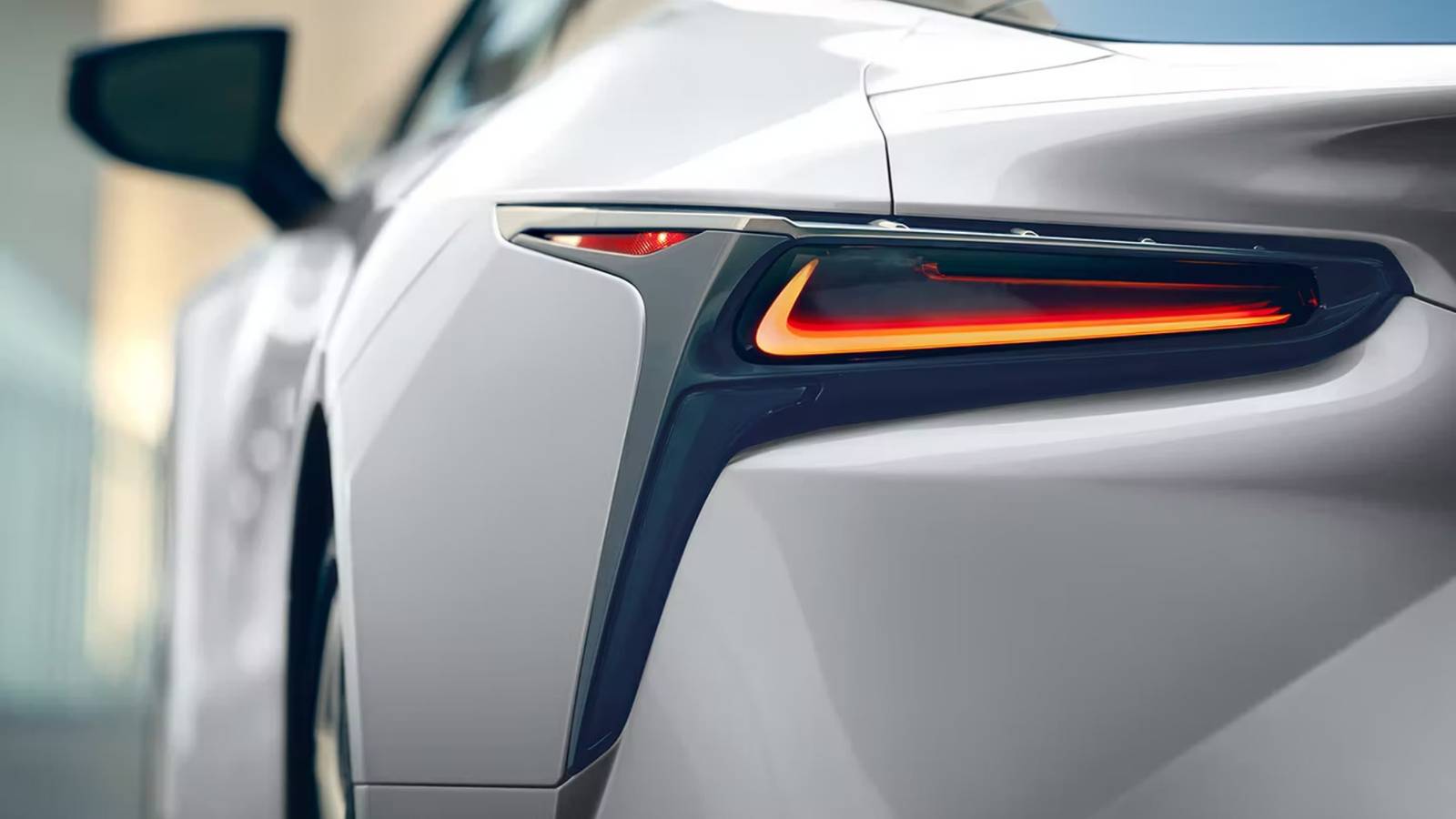
The performance and sports car market in the U.S. is currently at a bit of a crossroads. High-end European brands are noticing drastic profit declines, partly due to their decision to focus on per-unit profit margins as opposed to mass market volume sales. The entry-level performance car market is also noticing demand declines, as more enthusiasts in the U.S. opt for practical and comfortable daily drivers.
Despite this decline, most brands remain committed to creating desirable and aspirational models for the sake of maintaining a level of emotional appeal in their lineup. As a result, there are a few performance cars that are criminally undervalued by the market. The most tragic case is a top-end Japanese grand tourer that perfectly balances performance with incredible longevity and reliability.
The Current State Of Performance Cars In The U.S.

The current U.S. performance car market is navigating a challenging era where high-end luxury enthusiasts continue to spend, while mainstream performance sales struggle under the weight of rising interest rates and high transaction prices. Over the past five years, demand for traditional performance icons has softened, evidenced by notable 2025 sales declines for conventionally accessible models, as buyers increasingly pivot toward more practical midsize SUVs and versatile hybrids.
The industry faces significant headwinds, including stringent emissions regulations that are forcing the retirement of pure internal combustion legends, and supply-chain volatility that’s being worsened by recent tariffs on imported steel and aluminum. Looking ahead to the next five to 10 years, the market is expected to undergo a pragmatic shift toward high-output hybrids with range-extended systems that offer instant torque without range anxiety. While dedicated gasoline engines will likely maintain a niche through 2030 for purists, the mainstream performance sector is looking to merge with software-defined electrified platforms, where digital customization and active aerodynamics become as critical to the driving experience as mechanical horsepower.
How Lexus Approaches The Enthusiast Market

Lexus approaches performance through a philosophy of sophisticated aggression, prioritizing a harmonious balance between visceral engagement and the brand’s hallmark refinement. The luxury brand’s design language is defined by bold, often divisive elements like the spindle grille and sharp, aerodynamic surfacing, while mechanically, they often favor high-displacement, naturally aspirated engines that offer a more linear and emotive power delivery compared to the turbocharged units of their rivals. While Lexus has enjoyed record-breaking global sales recently, reaching over 882,000 units in 2025, this success is primarily driven by their dominant hybrid SUVs rather than their dedicated performance lineup.
Enthusiasts frequently overlook the brand because of its historical reputation for prioritizing comfort over driver engagement, as well as a perceived performance gap where Lexus models are often heavier and less track-focused than their German counterparts. Furthermore, the brand’s heavy reliance on shared Toyota platforms for its mainstream offerings can sometimes obscure the bespoke engineering found in its true performance division, leading many to view the brand as a sensible luxury choice rather than a serious contender among driving purists.

The Lexus Sedan That Quietly Beats Mercedes On Ownership Costs
Lexus proves its worth when it comes to long-term ownership costs.
The Lexus LC 500 Is Criminally Overlooked

The 2026 Lexus LC 500 serves as the brand’s halo flagship, occupying the top tier of its portfolio as a grand touring masterpiece designed to elevate the entire marque’s image. Since its market debut in early 2017, the model has achieved a cumulative U.S. sales volume of over 15,000 units, a respectable figure for a low-volume exotic that highlights its consistent appeal despite a premium price point.
Its key demographic primarily consists of affluent buyers, often high-earning professionals with a median age over 50, who value aesthetics and artisan craftsmanship over raw track performance. This group is typically drawn to the vehicle’s concept-car presence and its role as a sophisticated statement piece rather than a utilitarian commuter. As production is slated to conclude following the 2026 model year, the LC 500 is positioned to transition from a flagship GT to a highly regarded modern classic within the enthusiast community.
Pure Naturally Aspirated V-8 Joy

The 2026 Lexus LC 500 is powered by a high-revving, naturally aspirated 5.0-liter V-8 that produces 471 horsepower and 398 lb-ft of torque, delivering a linear power curve to the rear wheels. Lexus connects this engine to a 10-speed Direct Shift automatic transmission that features closely spaced gear ratios designed to maintain a rhythmic and engaging acceleration experience.
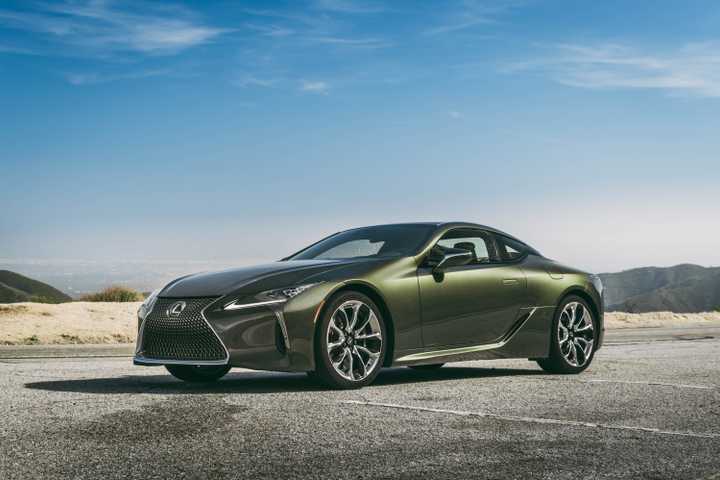

- Base Trim Engine
-
5L V-8 ICE
- Base Trim Transmission
-
10-speed automatic
- Base Trim Drivetrain
-
Rear-Wheel Drive
- Base Trim Horsepower
-
471 HP @7100 RPM
- Base Trim Torque
-
398 lb.-ft. @ 4800 RPM
- Base Trim Fuel Economy (city/highway/combined)
-
15/25/18 MPG
- Base Trim Battery Type
-
Lead acid battery
- Make
-
Lexus
- Model
-
LC Coupe
In terms of performance metrics, the coupe variant can sprint from 0 to 60 MPH in 4.4 seconds, while the convertible model reaches the same mark in 4.6 seconds. The vehicle is capable of clearing the quarter-mile in roughly 12.7 seconds at a trap speed of 112 MPH, eventually reaching an electronically limited top speed of 168 MPH.

This Luxury Car Blends Classic Styling With Modern Tech
A sedan that whispers luxury, not screams it. Discover the car that stays true to its roots while embracing modern advancements.
A Poised But Plush Suspension Configuration

The 2026 Lexus LC 500 sits on a double-joint multi-link suspension system at the front and rear, which employs a double ball joint design on the upper and lower control arms to permit precise control over even the smallest wheel movements. To achieve its signature balance between grand touring suppleness and cornering composure, the vehicle comes standard with an Adaptive Variable Suspension system that continuously adjusts damping force across 650 distinct levels based on road conditions and driver input.
This mechanical setup is complemented by massive braking hardware, featuring 15.7-inch ventilated rotors with six-piston opposed aluminum calipers up front and 14.1-inch rotors with four-piston calipers at the rear, all utilizing high-friction pads for consistent thermal management. Supporting this footprint are standard 20-inch staggered wheels, though most buyers opt for the 21-inch forged alloy wheels.
If you demand uncompromised lateral agility, the optional $6,400 Dynamic Handling Package further refines the chassis with a Torsen limited-slip rear differential, a rear performance damper, and an Active Rear Steering system that can adjust the rear wheel angle by up to 2.0 degrees to improve high-speed stability and low-speed maneuverability.
The Finest Interior Materials

Starting at $103,300, the 2026 Lexus LC 500 features a cabin focused on high-touch luxury and seamless digital integration, anchored by a standard 12.3-inch high-definition touchscreen that supports wireless Apple CarPlay and Android Auto. Standard comfort amenities include eight-way power-adjustable, heated, and ventilated front seats. These seats utilize a unique two-part construction to better support the driver during spirited maneuvers. The cabin also plays host to dual-zone climate control with a Climate Concierge system that monitors occupant temperatures to synchronize seat and steering wheel heating.
While a 12-speaker premium audio system is standard, enthusiasts often opt for the $1,220 13-speaker, 915-Watt Mark Levinson Reference Surround Sound system for a more immersive acoustic experience. Additional convenience and entertainment options include a color head-up display, a panoramic view monitor for easier parking, and the Lexus Interface, which provides intelligent voice-controlled commands and integrated streaming for services like Apple Music. If you’re after the highest level of artisan detail, the $2,000 Touring Package adds Alcantara headliners and door panel trim, as well as semi-aniline leather-trimmed seating in specialized color palettes like Toasted Caramel or Rioja Red. Destination is set at $1,450.

The Best Lexus Sports Cars Of All Time
A blend of precision engineering, luxury craft, and performance make for Lexus’ greatest sports cars.
Prolonged Coverage And Reliability

The 2026 Lexus LC 500 is supported by a comprehensive protection plan that includes a four-year or 50,000-mile basic warranty and a more extensive six-year or 70,000-mile powertrain warranty. To ensure long-term reliability, the brand mandates a strict maintenance schedule occurring every six months or 5,000 miles, whichever comes first. The initial two visits occur at the six-month or 5,000-mile and 12-month/10,000-mile marks. These are covered by the LexusCare program, including essential services like tire rotations and oil changes.
Major service intervals occur every 30,000 miles, involving more intensive tasks such as brake fluid replacement and comprehensive inspections of the fuel and transmission systems. As of April 2026, there are no active safety recalls reported by the NHTSA for the 2026 model year, maintaining the LC’s reputation for exceptional build quality. Owners also benefit from four years of roadside assistance with no mileage limit, providing an additional layer of security for long-distance grand touring.
Fans Continue To Swear By The LC 500

Despite it being a low-volume seller, current and former owners swear by the LC 500 experience, as highlighted by the 4.8/5 average consumer rating on Edmunds. Fans of the model highlight its visual presence, engine characteristics, driving experience, and overall reliability to be key strengths.
The grand tourer also excels in value retention, according to its iSeeCars valuation. The publication indicates that the model will lose $34,838 or 34.5 percent of its value over the course of five years, which is substantially better than what its key rivals achieve.