
Reliability has always been the backbone of the hybrid segment, but in 2026, it matters more than ever. As electrification accelerates and automakers pack increasingly complex systems into everyday vehicles, buyers are becoming more cautious about what they choose to live with long-term. Fuel economy figures may grab attention, and performance numbers may sell headlines, but dependability is what ultimately defines ownership satisfaction over years, not months.
For decades, one brand has dominated this conversation. Toyota built its reputation on hybrid systems that simply refuse to fail, setting a benchmark that competitors have struggled to match. But the market has evolved. Hybrid technology is no longer experimental, and other Japanese automakers have spent years refining their own systems in the background.
That’s created an interesting shift. There is now a legitimate alternative, one that combines proven engineering with modern efficiency and real-world durability. Backed by strong J.D. Power data and built on a platform known for longevity, it challenges long-held assumptions about who builds the most dependable hybrid. And for buyers willing to look beyond the obvious, the answer might be surprising.
Why Reliability Still Rules The Hybrid Conversation In 2026

At the widest point of the conversation, hybrid buyers in 2026 are driven by one key concern: long-term dependability. This is no longer a niche segment filled with early adopters willing to tolerate quirks. Today’s hybrid buyer expects a vehicle that can deliver years of trouble-free ownership while keeping running costs low and predictable.

That’s why reliability data carries so much weight. According to J.D. Power, vehicles that score above 80 in Quality & Reliability fall into the “Great” category, meaning fewer reported problems across critical systems like the powertrain, electrical components, and overall build quality. In a segment defined by technological complexity, those scores matter more than ever.
Modern Hybrid Systems Have Matured Significantly

Early designs often relied on complicated mechanical setups that introduced potential failure points. Today, many systems have simplified dramatically, reducing the number of moving parts and minimizing stress on traditional components like engines and transmissions.

At a more focused level, this evolution has shifted how buyers view hybrids altogether. Instead of being seen as complicated alternatives, they are now often regarded as more durable than conventional vehicles. Electric motors reduce engine strain, regenerative braking lowers wear on key components, and smoother power delivery minimizes long-term stress. Ultimately, reliability still rules because it directly affects everything, from maintenance costs to resale value. And in 2026, the gap between the best and the rest is narrower than ever.

How Much It Costs To Replace A Toyota Corolla Hybrid Battery In 2026
Having a new battery installed to your Corolla Hybrid will be an expensive repair.
How Honda Engineered The 2026 Civic Hybrid To Deliver Toyota-Rivaling Dependability

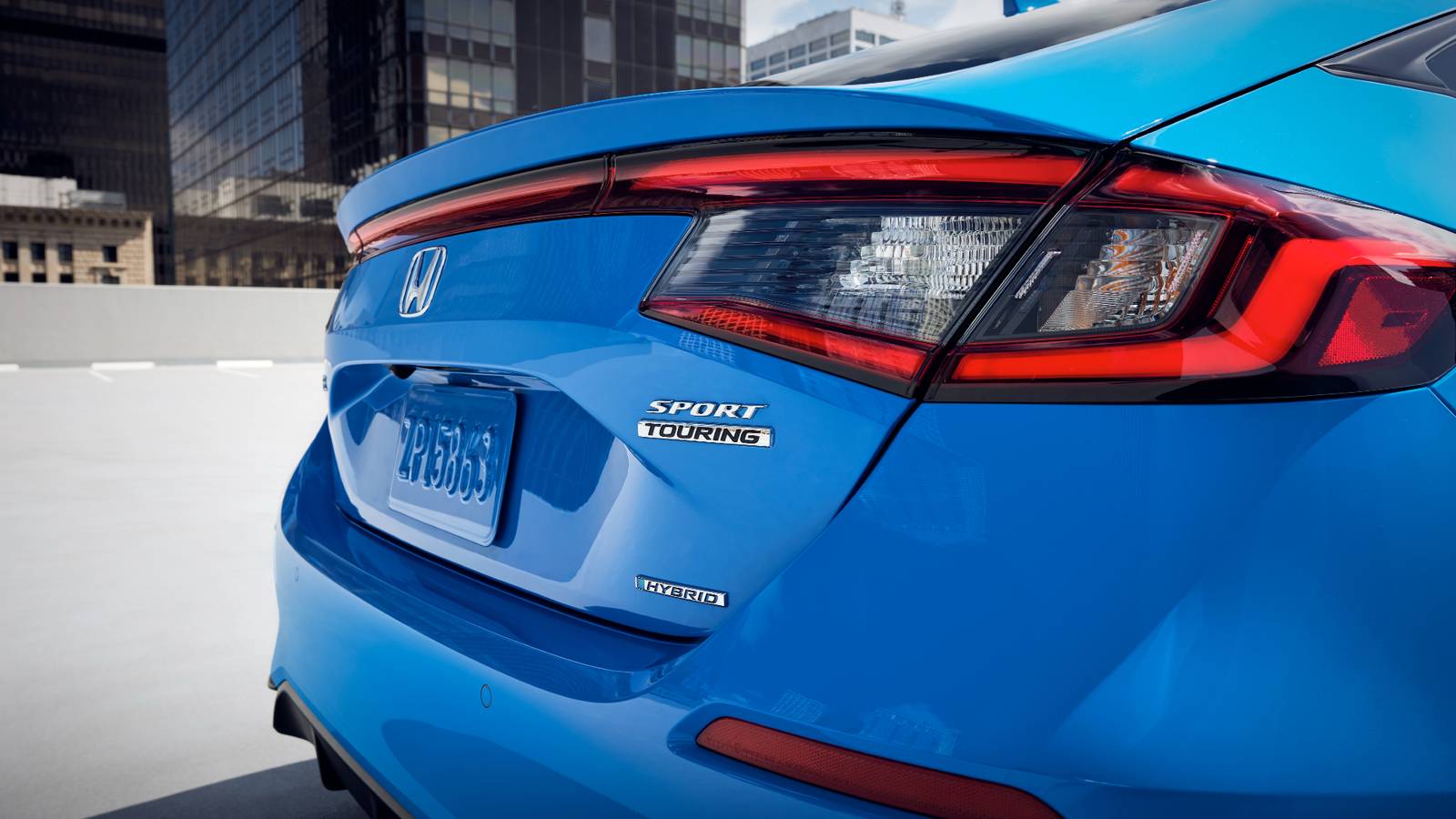
At the center of this shift is the 2026 Honda Civic Hybrid, a model that quietly redefines what a non-Toyota hybrid can deliver in terms of long-term reliability. Honda’s approach is rooted in simplicity. Its two-motor hybrid system, paired with a 2.0-liter Atkinson-cycle engine, avoids the complexity seen in many rival systems. Instead of relying on a traditional transmission, the electric motor handles most driving duties, while the gasoline engine primarily acts as a generator.

This architecture significantly reduces mechanical stress. With fewer moving parts and less reliance on conventional drivetrain components, there are simply fewer things that can go wrong over time. It’s a deliberate strategy, one that prioritizes durability over unnecessary complexity.
The Data Supports This Approach

The Civic earns an 84/100 Quality & Reliability score from J.D. Power, placing it firmly in the “Great” category. That score reflects real-world owner feedback, highlighting low levels of reported issues across key systems. Looking even deeper, the hybrid system itself contributes to longevity in ways that aren’t immediately obvious. Because the electric motor handles much of the acceleration, the gasoline engine operates under less strain. It runs more efficiently, experiences fewer extreme conditions, and avoids the wear typically associated with stop-and-go driving.

How This Japanese Brand Snatched The Reliability Crown From Toyota And Lexus
Lexus and Toyota have some competition when it comes to reliability. In fact, this other Japanese car brand snubbed the crown… or did it?
Where The Civic Hybrid Falls Short Of Expectations In A Competitive Segment

Even as the focus narrows, it’s important to recognize that the Civic Hybrid isn’t without its compromises. While it makes a strong case for reliability, it doesn’t completely dominate every aspect of the segment. From a broader perspective, Toyota still holds an advantage in long-term reputation. Decades of proven hybrid performance give it a level of trust that newer systems, even well-engineered ones, are still working to match. Predictive data suggests that while the Civic Hybrid performs well, it may not yet reach the same legendary status.

Looking more closely, there have been minor early-production concerns. A recent recall related to steering components serves as a reminder that even the most carefully engineered vehicles can encounter initial quality issues. These are typically resolved quickly, but they do highlight the realities of modern manufacturing.
Interior And Ride Quality Underachieve

On a more detailed level, the Civic Hybrid’s interior doesn’t lead the class in perceived quality. While it’s well-assembled and durable, some materials feel less premium than those found in key rivals. Infotainment is another area where it falls slightly behind, offering solid functionality without pushing the boundaries of innovation.

Ride quality also reflects a deliberate trade-off. The Civic leans toward sharper handling and driver engagement, resulting in a firmer ride than some comfort-focused competitors. For some buyers, that’s a benefit, but for others, it may feel less refined over long distances. These limitations don’t undermine the Civic Hybrid’s reliability credentials, but they do prevent it from being a flawless all-rounder.

Why Some 10-Year-Old Cars Are More Reliable Than Brand-New Models
As vehicle problem rates market-wide go up each year, some older cars on our roads are more reliable than new ones; we are going to find out why.
Why Real-World Ownership Reveals Strengths Specs Don’t Always Show

As the lens tightens further, real-world ownership begins to highlight strengths that spec sheets often overlook. One of the most noticeable aspects of the Honda Civic Hybrid is how seamlessly its powertrain operates. The transition between electric and gasoline power is smooth and nearly imperceptible, creating a driving experience that feels natural rather than engineered.
Owner feedback aligns closely with this experience. High satisfaction levels, particularly in reliability and day-to-day usability, reinforce the Civic’s strong J.D. Power score. This consistency between data and real-world feedback is a key indicator of a well-executed vehicle.

Fuel efficiency is another area where the Civic Hybrid delivers reliably. Unlike some competitors that struggle to meet official estimates, it performs consistently in everyday driving conditions. That predictability contributes to lower running costs and greater confidence over time. Maintenance is also simplified. Regenerative braking reduces wear on traditional braking components, while the absence of a conventional transmission eliminates a major potential failure point. Over years of ownership, these small advantages add up.

Perhaps most importantly, the Civic Hybrid offers something many hybrids lack: genuine driving enjoyment. Its responsive performance and balanced handling make it engaging in a way that goes beyond simple efficiency. And that emotional connection plays a bigger role in long-term satisfaction than many buyers expect.
Why Some 10-Year-Old Cars Are More Reliable Than Brand-New Models
As vehicle problem rates market-wide go up each year, some older cars on our roads are more reliable than new ones; we are going to find out why.
How The Civic Hybrid Ultimately Emerges As A Smart Hybrid Buy

Returning to the bigger picture, the 2026 Honda Civic Hybrid stands out as a clear example of how the hybrid segment has evolved. It doesn’t attempt to reinvent the formula. Instead, it refines it, combining proven engineering with modern efficiency and a focus on real-world usability. The result is a vehicle that feels both contemporary and dependable, a balance that’s increasingly difficult to achieve.

Its 84/100 J.D. Power reliability score provides a strong foundation, but the real story lies in how it performs over time. It’s consistent, predictable, and easy to live with, qualities that matter far more than headline figures. While it may not yet have the decades-long legacy of Toyota’s hybrid systems, it comes remarkably close in execution. And in some areas, particularly driving dynamics, it arguably goes a step further.

Ultimately, the Civic Hybrid proves that reliability is no longer confined to a single brand. It offers buyers a credible alternative, one that delivers the durability they expect, along with a level of engagement they might not. In a segment defined by trust, that’s what makes it such a smart choice.
Sources: Honda U.S., J.D. Power, CarEdge