
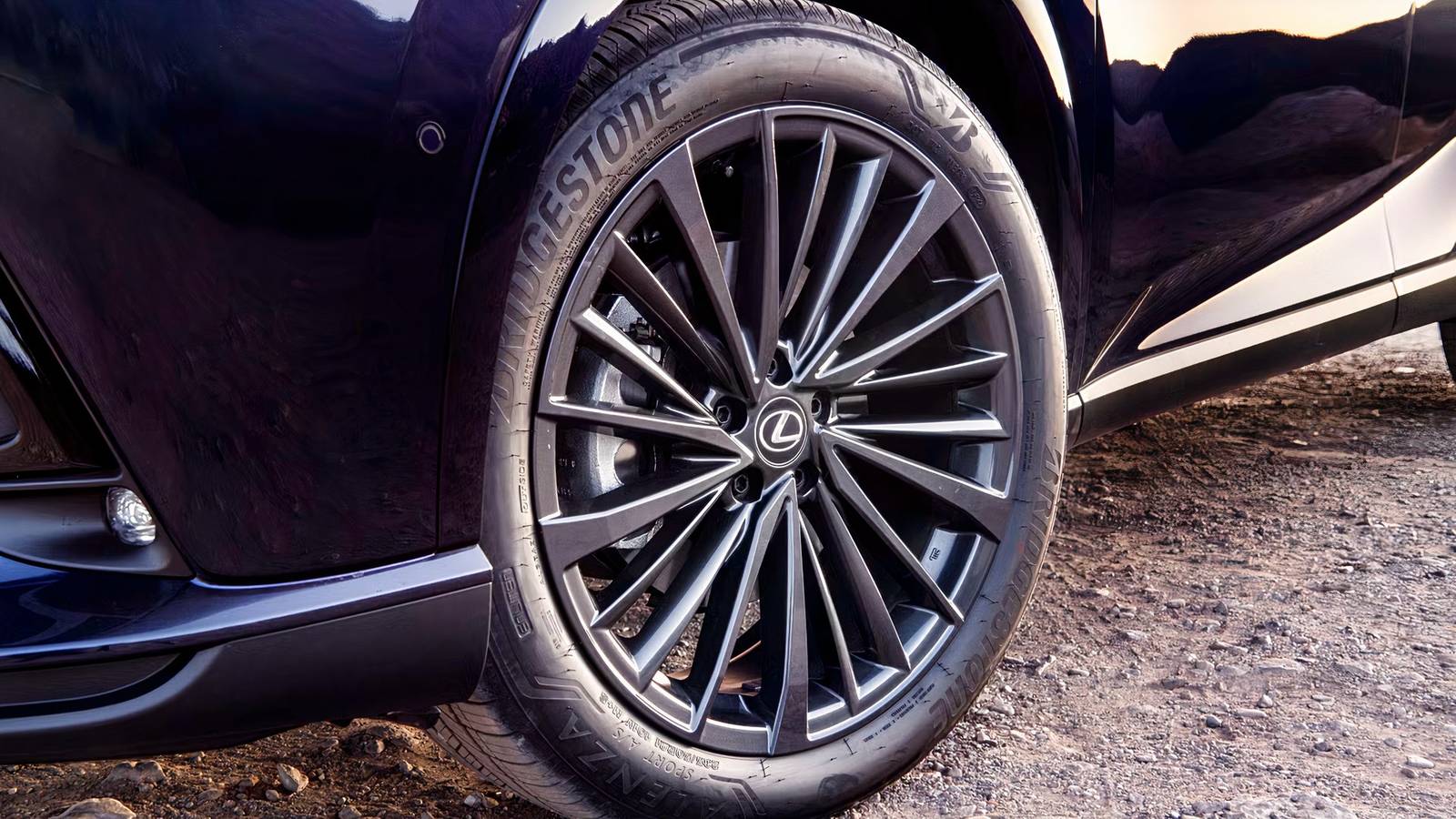
Buying a performance luxury SUV used to be simple—if you wanted the best, you went German. Brands like BMW, Mercedes-Benz, and Audi built their reputations on delivering power, refinement, and a sense of prestige that few competitors could match. For a long time, that approach proved effective.
However, the landscape is evolving. With rising prices and increasingly noticeable ownership costs, new contenders are emerging that provide comparable experiences—without the usual trade-offs. That shift is starting to make buyers ask a simple question: Is the German premium still worth it?
Why German Performance SUVs Still Set The Benchmark
Power, Prestige, And Premium Driving Experience

German automakers have long been pioneers in developing high-performance luxury SUVs. Models such as the Audi SQ5, BMW X5, and Mercedes-AMG GLE earned their reputations by combining powerful performance, innovative engineering, and superior refinement. Turbocharged engines, sophisticated suspension systems, and luxurious interiors define the segment.

That combination is difficult to ignore. These SUVs are designed to feel quick, composed, and engaging—not just practical. Acceleration is strong, handling is precise, and the overall experience feels polished. Then there’s brand perception. German luxury badges still carry significant weight. They represent status, engineering heritage, and prestige—factors that often influence buying decisions before the vehicle is even driven.
This Benchmark Is Not Without Its Drawbacks

The higher purchase prices, costly options, and significant long-term maintenance can make ownership more challenging. As the market evolves, new alternatives are emerging that deliver comparable experiences with fewer compromises. Among these alternatives, the Lexus RX 500h stands out, challenging the status quo of legacy brands.

The Luxury Japanese SUV That’s Worth Every Penny
The Lexus RX offers impressive luxury, hybrid efficiency, and reliability, making it one of the smartest luxury SUV purchases today.
The 2026 Lexus RX 500h Quietly Challenges That Formula
A Performance Hybrid SUV That Blends Speed And Refinement

Under the hood, the 2026 Lexus RX 500h pairs a 2.4-liter turbocharged engine with an electric motor, producing a combined 366 horsepower and 406 pound-feet of torque. Power is delivered through a six-speed automatic transmission and Lexus’ DIRECT4 all-wheel-drive system. On paper, that clearly places it in the performance SUV category.

What sets it apart, however, is how that performance is delivered. The hybrid system smooths out torque delivery, prioritizing control and refinement over outright aggression. Acceleration is strong, but it feels composed rather than dramatic—quick without being overwhelming. Efficiency is another key advantage. The RX 500h returns around 27 MPG on the highway, which is competitive within the segment and often better than larger, more powerful German rivals.
That’s Where The Value Argument Begins

Competitors like the BMW X5, Audi SQ5, and Mercedes-AMG GLE 53 typically start between $57,000 and $75,000—and climb quickly once options are added. The Lexus takes a different approach. It doesn’t try to be the most aggressive SUV in its class. Instead, it focuses on delivering performance that is smooth, controlled, and easy to live with on a daily basis.

Here’s Why The Toyota Sequoia’s Rich Cousin From Lexus Is Worth The Premium
This Lexus flagship SUV is the superlative of everything that the brand stands for. Thus, we think it’s worth the premium over the Sequoia.
What Makes It Feel Like A True Luxury SUV
Interior Quality, Ride Comfort, And Advanced Technology

Step inside the RX 500h, and the focus on refinement becomes immediately clear. The cabin is thoughtfully designed, with high-quality materials, clean lines, and a layout that prioritizes ease of use. Soft-touch surfaces, well-finished trim, and supportive seating create an upscale environment without feeling overly complicated.
Technology Is Integrated In A Way That Feels Intuitive Rather Than Overwhelming

A fully digital instrument cluster, a large central touchscreen, and Lexus’ latest infotainment system provide modern functionality with improved usability over previous generations. Safety is another key strength. The RX 500h comes equipped with Lexus Safety System+, which includes adaptive cruise control, lane-keeping assist, blind-spot monitoring, rear cross-traffic alert, and automatic emergency braking. These features operate seamlessly in the background, adding confidence without becoming intrusive.

Ride comfort is equally impressive. The suspension is tuned to absorb imperfections without feeling overly soft, while strong sound insulation keeps the cabin quiet—even at highway speeds. It’s a setup designed for long-distance comfort as much as daily driving.

The Japanese Car That Quietly Beats Luxury Brands At Their Own Game
A luxury sedan that shuns the spotlight, yet outshines its rivals in the areas that truly matter.
Design, Space, And Everyday Practicality
A Modern Look With Real-World Usability

The RX 500h takes a more restrained design approach than its German rivals. Where SUVs like the BMW X5 and Mercedes-AMG GLE lean into aggression with sharp lines and oversized grilles, the Lexus feels more composed. Its design is clean, modern, and purposeful without trying too much to stand out. That approach carries through in how the vehicle is packaged. The RX sits slightly lower and more car-like than some competitors, which makes it easier to live with in everyday situations—whether that’s parking in tighter urban spaces or navigating busy streets.

Visibility is strong, and the overall footprint feels manageable for a vehicle in this class. Passenger space is well judged. Although it isn’t quite as roomy as bigger SUVs like the BMW X5, the RX 500h certainly makes excellent use of its limited space. The rear passengers have around 37.4 inches of legroom, which is plenty for adults on extended trips, and the front passengers have about 41.1 inches of legroom.
Cargo Space Is Competitive Rather Than Class-Leading

Depending on the layout, the RX’s trunk can expand from 29.6 cubic feet behind the second row to 46–47 cubic feet. Despite the BMW X5’s larger maximum cargo capacity (nearly 70 cubic feet), the RX’s lower load floor and easier access make it the clear winner for everyday tasks like carrying groceries, baggage, or family items.

Rather than focusing purely on presence or performance styling, it prioritizes usability. It’s designed to fit into daily life more seamlessly—something that matters just as much as size or road presence for many buyers.

Mercedes GLE vs. Lexus RX: Which Luxury SUV Holds Up Better?
In this comparison, we’ll look beyond raw badge appeal and dig into how each SUV holds up over time: performance and capability.
Why It Makes German Rivals Harder To Justify
Value, Reliability, And Lower Long-Term Costs

When it comes to overall value, the RX 500h really shines. In particular, Lexus’s hybrid systems have earned the brand a solid reputation for dependability. That means more peace of mind for many customers in the long run. Additionally, ownership expenses are often easier to foresee. Compared to German rivals, maintenance and repairs are typically simpler and cheaper—reducing long-term ownership costs. The RX 500h is not designed to be flashy; instead, it embodies timeless luxury, which is one reason I admire the Japanese marque, as this theme is evident in many of their vehicles, including the Lexus NX.

Honestly, there are still benefits to buying a German SUV. They usually come with improved handling, higher brand prestige, and a livelier personality when behind the wheel. Buyers who place a premium on those characteristics still have excellent selections to choose from. The rules are changing for many people, though. The RX 500h is more consistent over time and easier to own, yet it still delivers comparable performance, comfort, and refinement. That’s why it’s so hard to ignore. In a segment where prices continue to climb, the smartest choice isn’t always the most expensive—it’s the one that delivers where it matters most.