
Harley-Davidson is one of the most recognizable motorcycle brands in the world. Its legacy and longevity are strong factors, but its visual and aural appeal stand out as the highlighting feature. The iconic exhaust note and classic styling add to the experience. All that has helped them shoot to the epicenter of American motorcycling culture.
However, enjoying a Harley is often tied to a lot of sacrifices due to expensive maintenance and lackluster quality. While someone who loves a Harley will surely adjust to these shortcomings, it is nevertheless a hassle. That said, there is a particular Yamaha cruiser bike that perfectly embodies the visual aura of a Harley while eliminating the “hassle” by adding in the famed Japanese reliability and low-maintenance qualities. Here’s why this sub-$10,000 metric cruiser bike is your perfect bet for experiencing a Harley-Davidson on a budget.

5 Harley-Davidsons You Should Buy New (And 5 That Are Better Bought Used)
You can get a used 122-horsepower Harley-Davidson cruiser, co-developed with Porsche, for under $10,000.
What Makes A Harley-Davidson So Special

Harley-Davidson is one of the oldest surviving motorcycle companies in the world. Over the years, it has evolved from a mere means of transportation to an emotion that embodies American motorcycling heritage and legacy. This led to the creation of one of the largest motorcycling communities in the world through the Harley Owners Group (HOG).

There are a few distinctive features that set a Harley-Davidson apart, which even a person new to the motorcycling world can recognize on the road. These include the iconic “potato-potato” V-twin sound, its 45-degree engine configuration, iconic styling cues with lots and lots of chrome, the unmistakable “Harley-Davidson” badging, and unmatched customization potential. The House of Harley-Davidson beautifully summarized the impact of Harley as a brand with this phrase,
Harley-Davidson motorcycles are as American as apple pie and baseball. They embody the spirit of freedom, adventure, and the open road.
But It Is Hard To Live With A Harley

Things sure are better today with the newer, more modern wave of Harley-Davidson motorcycles featuring liquid-cooled Revolution Max V-twin engines and superior hardware and electronics. But there are a lot more old-school Harleys out there that have a love and hate relationship with reliability and maintenance. Classic Harleys are designed to be raw and expressive. Furthermore, these are sizable motorcycles with heavy-duty components, including their big V-twins.

These are not common features we see on mass-produced motorcycles. Hence, making parts for these motorcycles is relatively more expensive than mass-produced bikes. Also, the iconic Harley-Davidson V-twin engines require specialized maintenance procedures and even tools. Apart from the maintenance aspect, Harley-Davidsons are also criticized for being less practical for daily use. This is primarily because of its heft, stretched-out dimensions, and overheating (especially in classic air-cooled models).

To enhance its visual appeal, many Harley-Davidson cruisers, baggers, full-dressers, and even trikes have a very low stance, which translates to low ground clearance. Also, the tank size of many Harleys is puny just for the visual appeal. Then there’s one very unusual problem with owning a Harley-Davidson—cultural pressure. Due to the large community of custom Harleys, many prospective owners feel the need to adopt a specific lifestyle that might demand looking unique. This exercise is sure to be healthy if controlled; otherwise, people end up spending a lot of money to create bespoke Harley-Davidson custom bikes.
The Yamaha Bolt R-Spec Feels Like A Harley But Without The Hassle
Price: $8,999

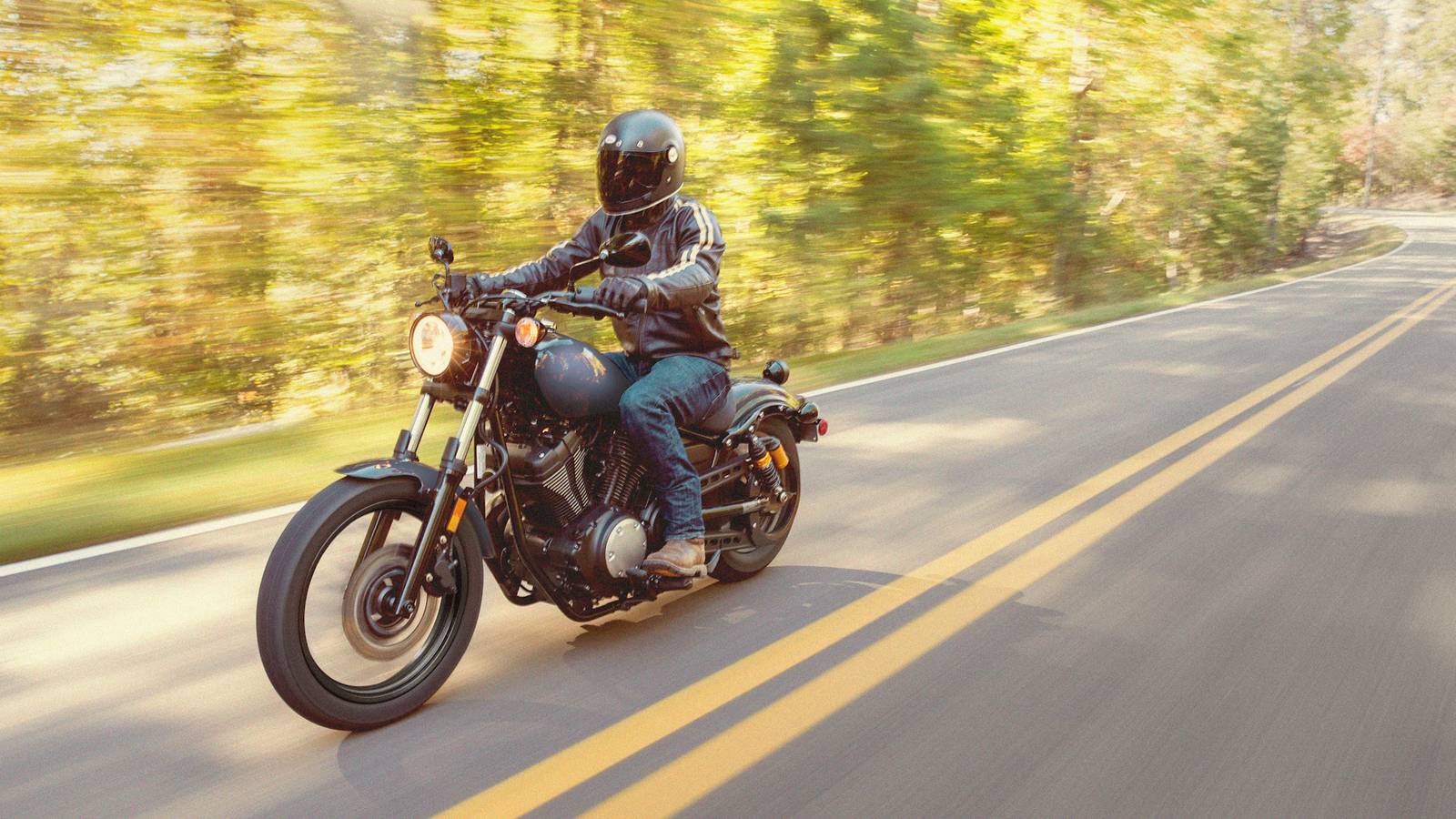
The Yamaha Bolt R-Spec is one of the few metric cruisers that religiously replicate the American V-twin aura. Making the Bolt R-Spec more desirable is the addition of proven Japanese reliability and refinement levels to an “expressive” design language. So, a win-win situation for someone who wants a Harley-styled motorcycle but without the hassle.

The Yamaha Bolt was launched in 2013, and the currently available R-Spec version debuted in 2014. Its design is a clear indicator of the inspiration it carries from the 2010s Harley-Davidson Sportster, the one with the Evolution V-twin engine. Yamaha took the same formula as Harley’s but added in their share of features that promise better quality, better reliability, and lower costs of ownership. Also, for under $9,000, this is one of the most affordable ways to experience Americanized motorcycling culture.

The Discontinued Harley-Davidson Cruiser Bike We Miss The Most
We will miss this old-school Harley’s back-to-basics nature.
Packs Nostalgic V-Twin Performance
That Scores High On Reliability Too

At the crux of this Yamaha cruiser bike sits a 942 cc V-twin engine that produces around 65 horsepower and 59.3 pound-feet of torque. This engine’s construction is as simple as it gets by today’s standards, and this is also what contributes to its reliability and old-school quotient. It is an air-cooled mill with single overhead camshafts and a low compression ratio of 9.0:1. Fuel injection provides consistent fueling, contributing to its smooth character. Given Yamaha’s refinement levels, it is not surprising to see a fuel-efficiency rating of 51 MPG.

Adding durability to this simplified setup are robust internals. This engine uses forged aluminum pistons to reduce friction, while the five-speed manual gearbox sends power to the rear wheel via a final belt drive system with a carbon-fiber core. Given Yamaha’s proven build quality and the Bolt R-Spec’s simplicity, this is one of the most reliable V-twin cruiser bikes today. This claim is further supported by owners on forums who report having ridden the Bolt R-Spec models for thousands of miles and beyond without major mechanical failures. Basic care and preventive maintenance are clearly the secrets to this Yamaha cruiser bike’s longevity.
Simple Underpinnings And An Accessible Riding Experience

The Yamaha Bolt R-Spec’s simple character continues with its chassis and other hardware setup, too. It is underpinned by a no-frills double-cradle steel frame that focuses on stability and durability. This chassis is suspended on a simple setup comprising telescopic front forks and piggyback-style rear shocks.

Yamaha claims that the piggyback-style rear suspension offers greater durability and damping performance than standard rear suspension. Braking duties are taken care of by a single 298 mm disc at both ends. This is one of those rare motorcycles that have the same disc sizes for the front and rear wheels. Grip duties are courtesy of Bridgestone EXEDRA G tires at both ends.

The Bolt R-Spec offers an accessible riding experience, thanks to its relatively minimal form factor and low curb weight. The Yamaha Bolt has a wheelbase of 61.8 inches, a ground clearance of 5.1 inches, a trail of 5.1 inches, a rake angle of 29 degrees, and a curb weight of 542 pounds. It also has a low seat height of 27.2 inches, which, when combined with its slim waist, makes this custom-styled cruiser bike accessible to many more shorter riders.

Why This Cruiser Is The Most Balanced Choice In 2026
The Rebel 1100 might not be the flashiest or the most powerful, but what it does have is the broadest appeal, for very good reasons
If The OG Harley-Davidson Sportster Were Japanese, This Would Be It

The minimal bodywork, clean lines, and an exposed V-twin engine are all ingredients of an American V-twin dream. The Yamaha Bolt R-Spec came out at a time when Japanese motorcycle makers were trying hard to crack the code of wooing American riders. The likes of the Suzuki Boulevard C50 and the Kawasaki Vulcan were motorcycles with the same intent. Still, the Yamaha Bolt strikes a stronger chord with its Sportster Iron 883-inspired design.

The Sportster is one of those game-changing Harleys, and this helps the Bolt get attention, too. Looking closely also reveals that the wheel design is similar to that on the alloy-wheel-equipped Harley Sportster. While the larger-than-life visual aura is replicated, Yamaha made amends to make the Bolt R-Spec more accessible and easier to live with, thanks to the use of a refined V-twin, affordable mass-produced spare parts, and body panels. A much more accessible form factor and curb weight value make the Bolt R-Spec a solid urban runabout, too.
Sources: Yamaha Motorsports and Harley-Davidson