
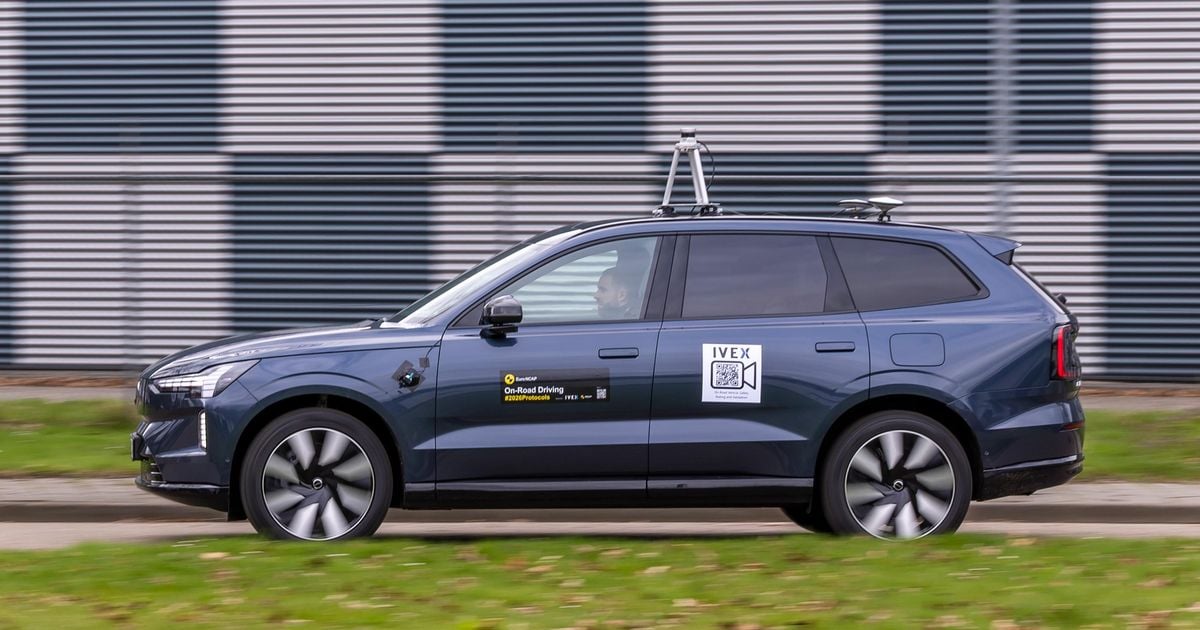
Automakers developing safety technology purely to meet Euro NCAP testing criteria will no longer be able to ‘game’ the system under new and expanded assessment protocols set to incorporate artificial intelligence (AI) and more extensive real-world testing.
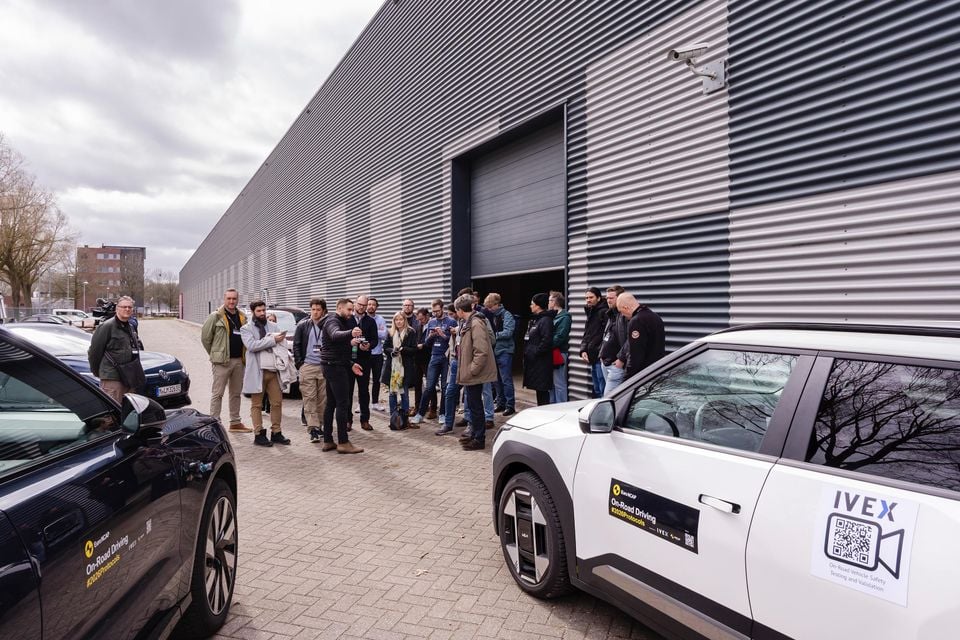
Speaking to media including CarExpert at an event in Brussels, Belgium, Euro NCAP (European New Car Assessment Programme) Secretary General Dr Michiel van Ratingen said more in-depth and flexible testing will prevent vehicles from being engineered to meet a narrow set of predetermined targets.
Euro NCAP, which works in partnership with the Australasian New Car Assessment Programme (ANCAP), will increasingly use AI and real-world data to create a broader range of test scenarios when determining safety ratings.
CarExpert can save you thousands on a new car. Click here to get a great deal.
“In the last 30 years, we really focused primarily on ‘single point’ test cases; one speed, one overlap for passive safety, and for active safety it’s basically a combination of speeds with a certain scenario,” Dr van Ratingen said.
“We need to step away from those single point optimisations.
“The thinking that we currently have – and we have done this already for 2026 for active safety – is that we slowly go away from these predefined load cases to a more ‘domain definition’.
“Domain definition means that we can test anything between ‘this speed’ and ‘that speed’, ‘this configuration’ and ‘that configuration’ – and we will basically test whatever we think is interesting to test.”
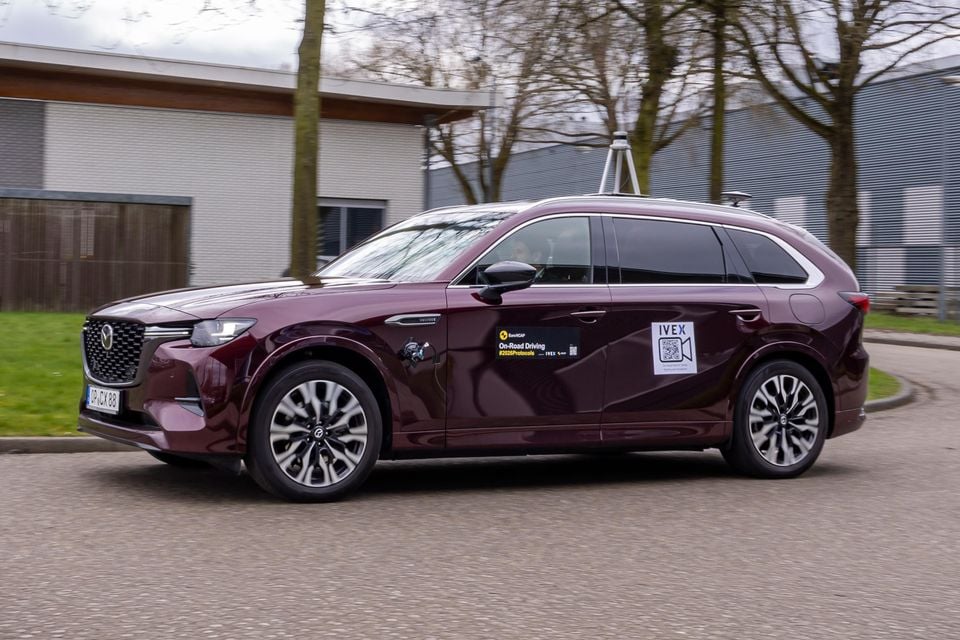
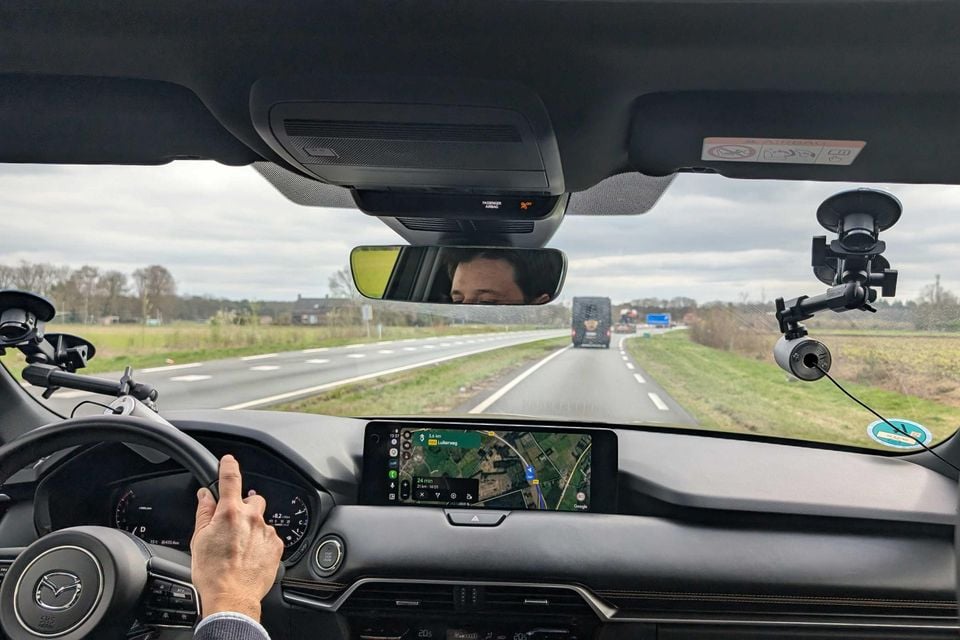
Real-world testing has already been introduced for the updated 2026 NCAP protocols to assess speed-sign recognition systems in vehicles, both in various European countries as well as Australia and New Zealand.
In 2029, this will expand to other advanced driver assistance systems (ADAS), which will see test drivers travelling across long distances in a wide variety of scenarios and circumstances beyond lab and virtual simulations.
According to Dr van Ratingen, this approach will ensure safety is no longer a box-ticking exercise for automakers chasing top test results rather than real-world outcomes.
“That means that the vehicle manufacturer can no longer hide behind ‘I’m optimising for this particular load case – yes, I have four points for that, and I don’t care about anything else’ – which is obviously a temptation that is always there in the industry,” he said.
“If you are one to five stars and you get paid to deliver five stars, you optimise your vehicle to become five stars, that’s the reality. It’s the downside of Euro NCAP, I would say.
“But if we can go away from that kind of mentality of single point optimisation and ultimately go to a domain evaluation, I think that’s really the direction that Euro NCAP will take – and not just on active but in passive safety as well.”
MORE: 2026 ANCAP safety protocols are here: What you need to know