
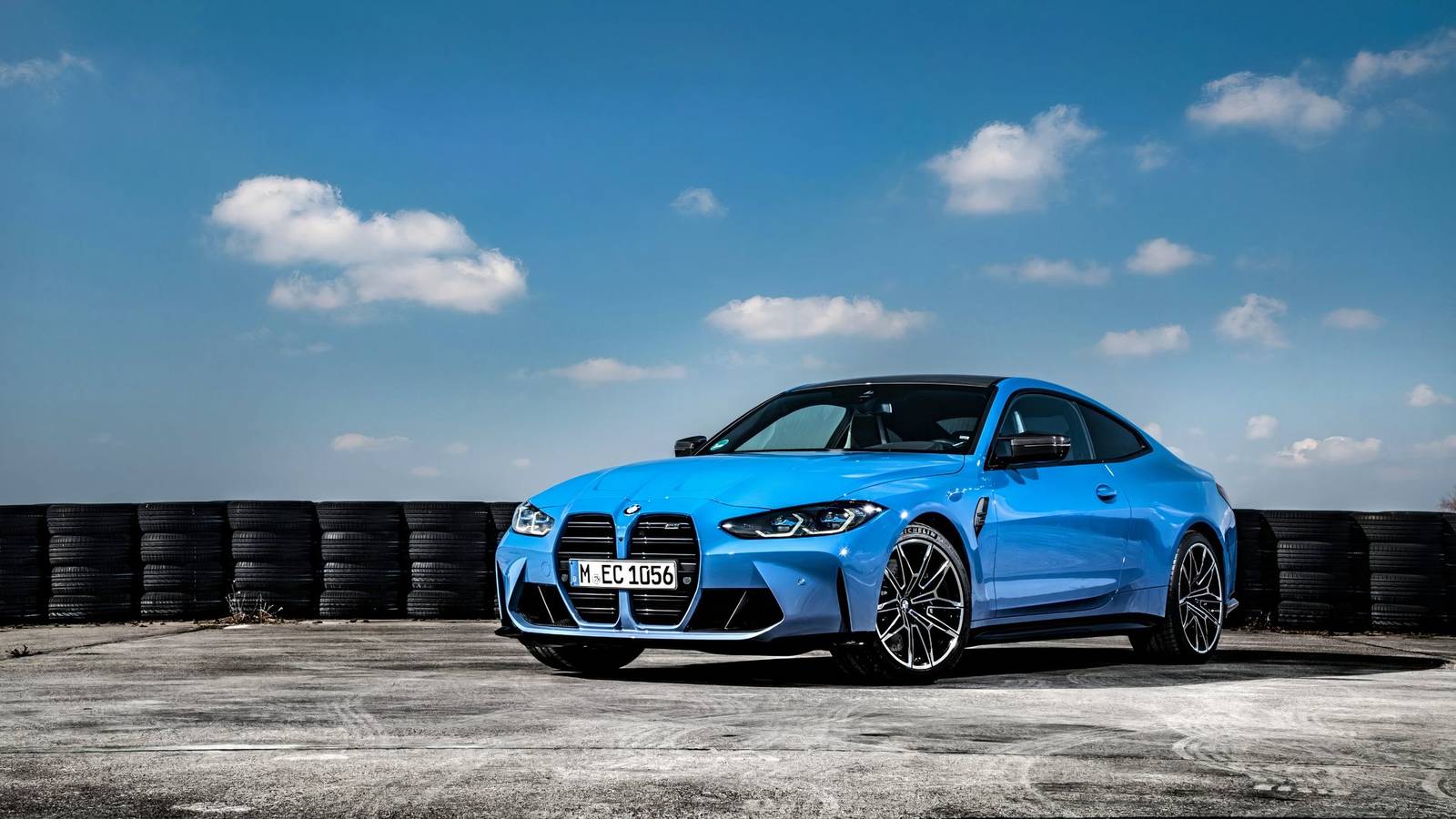
Like all luxury car owners, BMW people love numbers. Horsepower figures, zero to 60 times, Nürburgring lap records, option codes that sound like secret handshakes. But when the conversation drifts to depreciation, even the most spreadsheet-loving Bimmer fan tends to rely on myths, half-truths, and things they heard from a friend of a friend who once flipped a 3 Series.
The truth is, BMW depreciation is not some dark art controlled by mysterious market forces. It follows patterns — predictable ones, in fact — and once you understand them, resale value stops feeling like a cruel surprise and starts looking like something you can manage. Let’s clear the air and tackle the biggest misconceptions BMW owners consistently get wrong.
“BMWs Lose Value Fast No Matter What”

A big one is the idea that all BMWs fall off a financial cliff the moment the warranty expires. Yes, BMWs depreciate. So do most premium cars. But the rate is not universal across the lineup. A base 3 Series sedan depreciates very differently from an M3. A V8-powered M5 lives in a different resale universe than a diesel X5. Limited production models, enthusiast favorites, and cars with desirable drivetrains hold value far better than the brand’s reputation suggests.

The real issue is volume. BMW sells a lot of cars. High supply pushes used prices down, especially for mainstream models like the 320i, 330i, and entry-level X3 variants. That doesn’t mean BMWs are inherently bad at holding value. It means some BMWs are everywhere. Models with strong enthusiast demand, rare engines, or discontinued configurations often stabilize surprisingly well after the initial depreciation hit. The myth isn’t that BMWs depreciate fast. It’s that owners assume they all depreciate the same way.



“Newer Model Years Always Have Better Resale Value”

On paper, this sounds logical. Newer equals better thanks to more features, fresher design, and newer tech. In reality, the sweet spot for BMW resale value often sits a few years behind the latest model year. Why? Because the first two to three years are where depreciation hits hardest. Leasing cycles flood the used market with nearly identical cars. Off-lease 3 Series and X5s stack up like neatly parked clones, and prices soften quickly.

Once a BMW hits the four to six-year range, depreciation slows down. Buyers know what problems to expect, reliability data is clearer, and pricing becomes more stable. Ironically, a well-kept 2018 BMW can sometimes be easier to sell than a lightly used 2022 model priced uncomfortably close to a brand-new one. Mid-cycle refresh years also matter. Buyers often prefer facelifted models over early production versions, even if they’re technically older. New headlights, updated infotainment, and revised engines can make a one-year difference feel much bigger than it actually is.
“Mileage Doesn’t Matter If The Car Is Well Maintained”

This is a comforting belief, but it’s also a dangerous one. Yes, service history matters, but mileage still plays a massive role in resale value, especially for BMWs. The used car market has psychological thresholds that buyers obsess over, whether they admit it or not. The big ones are 30,000 miles, 60,000 miles, and 100,000 miles. Cross those numbers, and resale value doesn’t slide; it steps down.

A BMW with 59,000 miles feels very different to a buyer than one with 61,000 miles, even if both are mechanically identical. Warranty coverage, upcoming service costs, and fear of expensive repairs all kick in around those milestones. That doesn’t mean high-mileage BMWs are worthless. It means they appeal to a different buyer. One who expects a discount. Service records can soften the blow, but they don’t erase the mileage effect entirely. The market cares about numbers as much as condition.

The Small BMW SUV Most Buyers Don’t Consider
The BMW X1 may not have the fame of its bigger siblings, but it embodies much of what makes the brand desirable.
“Options Add Significant Resale Value”

This one hurts, especially if you spent a long evening on the BMW configurator, convincing yourself every box was an investment. Most options do not add meaningful resale value. They make the car easier to sell, but not more expensive. Buyers love features like the M Sport package, larger wheels, upgraded headlights, and better infotainment. These options help a BMW stand out in listings and sell faster. But they rarely return their full cost, or even half of it, on the used market.

Some options matter more than others. Desirable colors, M Performance trims, adaptive suspension, and upgraded sound systems tend to hold appeal. Niche features like gesture control, luxury seating packages, or rare interior trims often go unnoticed by second or third owners. The harsh truth is that resale value favors configurations that buyers recognize instantly. If it doesn’t photograph well or show up clearly in a listing headline, it probably won’t move the needle much on price.
“Service History Only Matters To Enthusiasts”

This is another misconception. Service history matters to everyone. Even buyers who claim they don’t care still care once money is involved. A BMW with complete service records feels safer. It signals responsible ownership, predictable maintenance, and fewer unpleasant surprises. That matters more for BMWs than for many mainstream brands because repair costs are higher and buyers know it.

Dealer service history carries weight, but so does documented independent specialist work. What hurts resale is vague maintenance. Phrases like “regularly serviced” without proof make buyers nervous. Skipping scheduled maintenance, delaying fluid changes, or ignoring recalls can quietly eat into resale value. Buyers may not inspect every receipt, but they absolutely notice gaps in the timeline. Service history doesn’t turn a depreciating asset into gold, but it often makes the difference between a smooth sale and weeks of price reductions.
“Selling At The Right Time Doesn’t Matter Much”

Timing matters more than most BMW owners realize. Selling before a major service milestone can protect resale value. Selling after expensive maintenance is due does the opposite. Buyers mentally subtract upcoming costs, whether it’s new brakes, tires, or a scheduled service. Seasonality also plays a role. Convertibles sell better in warm months. SUVs move faster before winter. Performance BMWs often attract more attention during tax refund season or year-end bonus periods.

Even market trends matter. A sudden shift toward SUVs or hybrids can soften demand for sedans, regardless of how good your car is. Conversely, discontinued engines or body styles can spark unexpected interest. The biggest mistake is assuming depreciation is a straight line. It isn’t. It has plateaus, drops, and moments where holding on just a little longer actually costs more than selling sooner.

10 Luxury SUVs That Depreciate The Most After 5 Years
These 10 luxury SUVs may be stylish, but they lose their value at fast rates over 5 years – not great for new buyers, great for the used market buyers
The Real Takeaway

BMW depreciation isn’t something that happens to you. It’s something you can anticipate. Understanding which models hold value, how mileage thresholds affect pricing, and what options actually matter changes the ownership experience. You stop being surprised by resale quotes and start recognizing patterns.

The irony is that BMWs reward informed owners. Choose the right model year, keep mileage in check where possible, maintain the car properly, configure it sensibly, and sell at the right time. Do that, and depreciation stops feeling like betrayal. It becomes just another number you understand, manage, and move on from.
Sources: BMW, iSeeCars