
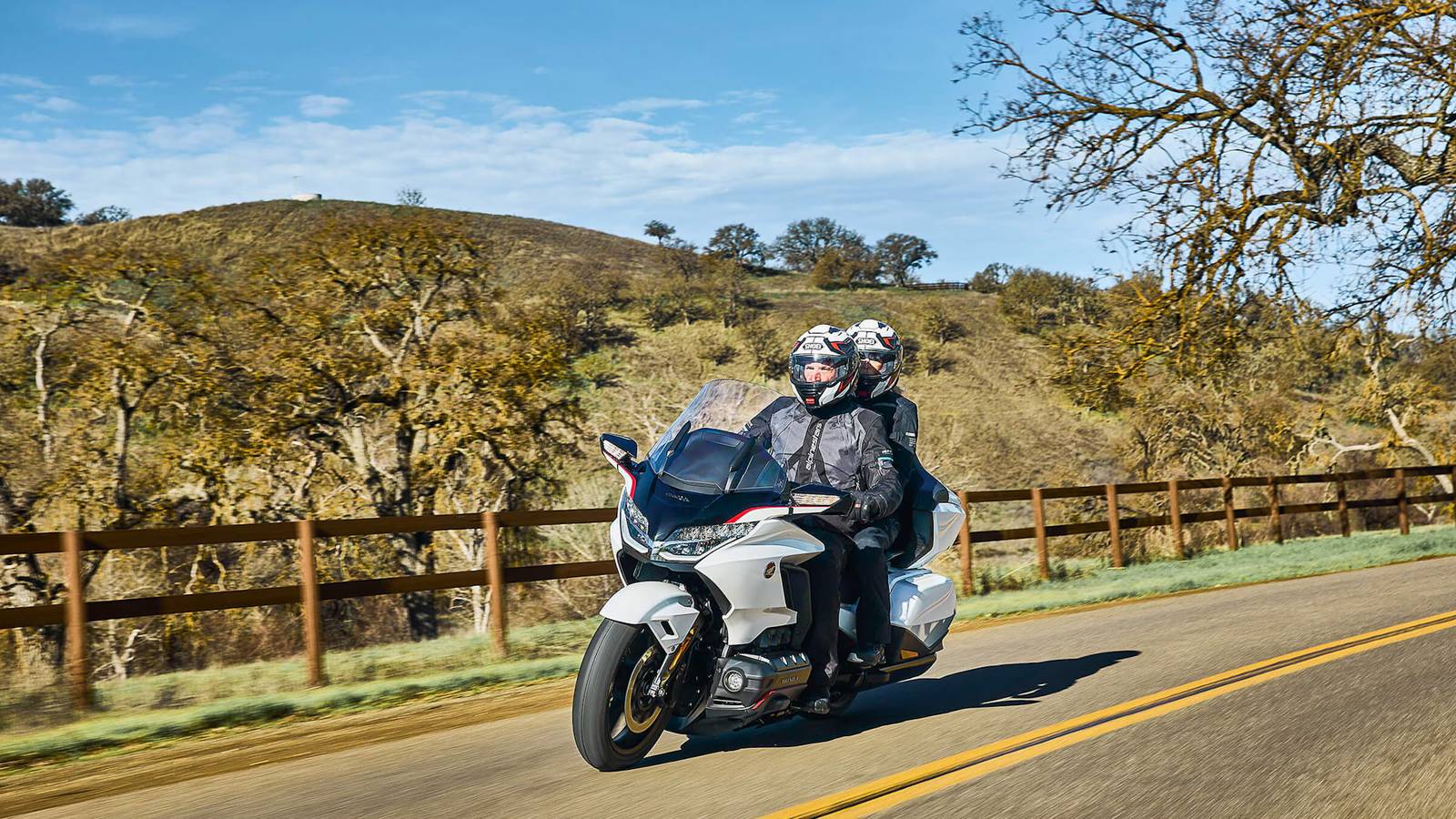
Around-towners, commuters, and other short-trip riders typically spend about an hour at a time in the motorcycle saddle. That usually isn’t long enough for the road to really take its toll. Tackling a genuinely long trip is another kettle of fish entirely, as you start to ache and stiffen in new and interesting places, and trust me, that process doesn’t get easier with age.
Over time, long-distance riders develop certain habits that help them cope with the physical and mental demands of extended stints in the saddle. These aren’t things you learn on short rides or quick commutes, but behaviors that only start to make sense once the miles really add up. Below are ten motorcycle habits that experienced long-distance riders understand instinctively, small, practical adjustments that help extend saddle stamina and make it possible to arrive feeling far more human than road-weary.
To give you the most up-to-date and accurate information possible, the data used to compile this article was sourced from my 32 years of experience riding motorcycles, both as a commuter and long-haul rider. The list is in no particular order of importance.

10 Best Touring Motorcycles For Relaxed Weekend Rides
Tour in total comfort with these 10 top-rated sport and full-dress touring motorcycles, built for big miles, smooth rides, and stress-free weekends.
Check the Weather Three Ways

Some of the most important long-distance riding habits happen before you ever light the fire. Seasoned riders don’t rely on a single forecast; they check the weather from multiple angles. Start with local radar, which gives you real-time insight into current conditions and shows how weather systems are moving and developing. Next, look at the hourly wind forecast. Strong or inconsistent winds dramatically increase both mental and physical fatigue, even if the sky stays clear.

Finally, check temperature swings along your route. They’re usually predictable for the region, but knowing when and where the mercury will drop helps you dress appropriately and decide whether extra layers or heated gear are worth packing. Just as importantly, be sure to check all of this for where you’re riding to, not just where you’re starting.
Fuel Stops Planned Before Hunger

Long-distance riders often cross what are effectively “fuel deserts,” where gas stations are few and far between. On bikes with smaller tanks, that can even mean carrying extra fuel just to make the next leg. Because of this, keeping the bike fueled always takes priority over feeding the rider when deciding where and when to stop.

For efficiency, it makes sense to eat when you stop for fuel rather than wait until hunger sets in. Letting your blood sugar crash can be surprisingly dangerous, impairing focus and coordination more than many riders realize. A small, balanced intake of carbs, protein, and fat goes a long way toward staying sharp. Energy drinks may seem convenient, but they often lead to a hard comedown that can leave you feeling worse, not better.
Packing By Frequency, Not Size

Long rides demand a wide range of gear to stay comfortable through changing conditions. Rain gear, extra layers, tools, and odds and ends all have to fit into a limited amount of cargo space, most of it stacked vertically in saddlebags. Because of that, experienced riders pack based on how often something is likely to be needed, not how big it is.

Items like rain gear and thermal layers should live near the top, while tools you’ll rarely touch (like a spark plug socket) can sink to the bottom. Trust me, digging through your luggage in low light while a storm rolls in is no bueno. A little planning up front makes every stop faster and far less stressful.

10 Touring Bikes With The Longest Riding Range
If you want go the farthest on a single tank of fuel, look no further than these 10 touring bikes
Stop Early To Avoid Fatigue Debt

Fatigue debt is a common but often overlooked challenge on long trips. It sneaks up as exhaustion accumulates from a mix of long hours, poor diet, dehydration, overestimating your abilities, and the constant demands of riding. You might feel heroic pushing through on day one, but by day three, the effects add up, and only proper rest can reset you.

The older you are, the more noticeable the impact, so know your limits and don’t try to be a hero. While not as dangerous as sleep deprivation, fatigue debt can still reduce situational awareness and cloud judgment, things you can’t afford on the road.
Hydrate Constantly

Proper hydration is absolutely critical on long rides. Dehydration is a silent enemy that creeps up faster when you’re blasted by wind and sweating under your gear. Waiting until fuel or food stops to drink isn’t enough. Hydrating on the move helps prevent early fatigue and maintains focus.

Water alone works, but adding an electrolyte drink like Gatorade improves absorption and keeps your body balanced. There are also a variety of products designed to make hydration easier than shoving a bottle into a pocket. It’s worth considering if you want to stay sharp and comfortable mile after mile.
Choose Comfort Over Style

On long rides, function beats form. Accessories like windshields, deflectors, lower fairings, and wide saddles may not look flashy, but they make a huge difference in comfort for both rider and passenger. A wide saddle with a matching pillion pad, plus a top case with a backrest, can prevent fatigue and soreness over extended miles.

Heated seats are worth considering, too. Even in mild climates, they break the chill of early mornings or night riding, keeping your ride enjoyable rather than draining. Prioritizing comfort over style ensures you arrive feeling fresh rather than sore.

10 Cheapest Motorcycles For Long-Distance Touring
These affordable bikes prove that you don’t need to be rich to ride across the country
Adjust Your Riding Position

On short rides, foot and hand positions are often dictated by traffic and the need for quick control. On long-haul trips, however, there’s more flexibility, and small adjustments can make a big difference in comfort. Moving your feet fore and aft on the footboards, or using highway pegs at different heights, helps relieve pressure and ease aches.

With knee pain, I personally use multiple peg positions on a bike, switching between them to alleviate discomfort over long miles. As you get older, you’ll learn which pains are “normal” and which signal it’s time to stop, sometimes soon, sometimes immediately. Listening to your body keeps you safe and more comfortable on the road.
Trust Daylight More Than Distance

On long rides, thinking in “energy-miles” shows that daytime riding is far less demanding than riding at night. You can see farther, spot potential hazards earlier, and respond without stress. You’re also far more visible to other drivers; headlights help, but they can easily blend into the backdrop of traffic.

Riding at speed in the dark adds extra fatigue and strains reflexes at the worst possible moments. For maximum safety and stamina, plan to cover your miles during daylight and use nighttime to rest and recover.
Perform Bike Checks At Stops

Just because everything seems fine doesn’t mean problems haven’t started developing. At every stop — fuel, food, or bathroom — take a few minutes for a quick bike check. Pull the engine oil dipstick to confirm levels, but other areas like the transmission or primary chaincase can usually wait for overnight inspections unless you know of a specific issue.

If your bike lacks a TPMS, check tire pressure every chance you get, as it directly affects handling and fuel efficiency. Look for loose fasteners, heat-shield clamps, or fairing damage, and tighten or address issues as needed. Catching a problem early is far safer than discovering it at speed on the highway.

The Touring Bike That Makes Highway Miles Feel Easy
Discover why the Honda Gold Wing Tour DCT is the go-to choice for effortless long-distance touring.
Pace Your Ride

Mental tricks can make long-distance riding more manageable. Instead of thinking of an 800-mile trip as one enormous stretch, break it into smaller segments — say 100 miles at a time — with breaks in between. This makes the journey feel far less daunting. Sprinting at high speed early on only increases fatigue and prolongs recovery.

Maintaining a steady pace, ideally moving with traffic, reduces strain, keeps you safer, and prevents you from becoming a hazard to others. Stick to a constant speed and eat during fuel stops, and the miles will pass more smoothly without unnecessary risk.